Introduction
The Tauren Ground Squirrel (Spermophilus taurensis) is a fascinating mammalian species that belongs to the Sciuridae family. Recognized for its unique behaviors and ecological significance, this species is endemic to specific regions, presenting a rich area of study for mammalogists and conservationists alike. In this article, we delve into various aspects of the Tauren Ground Squirrel, from its physical characteristics to its habitat, behavior, and conservation status.
Physical Description
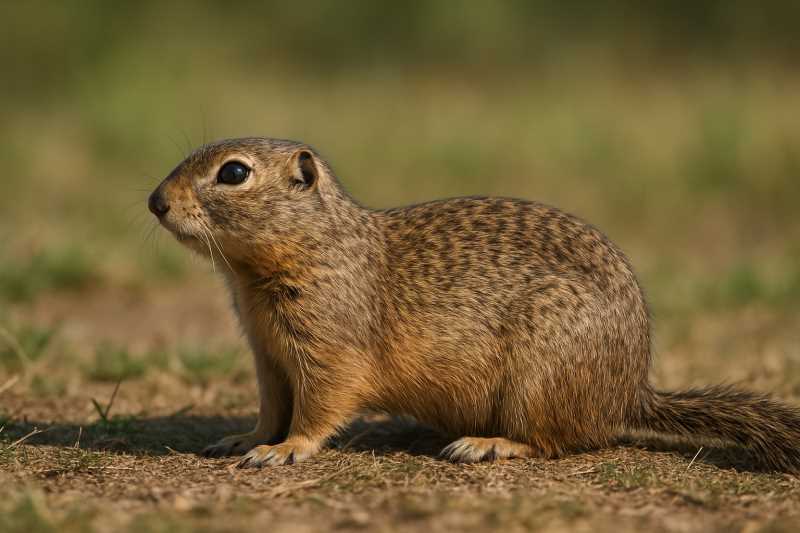
The Tauren Ground Squirrel is a medium-sized rodent, exhibiting a robust body structure that supports its burrowing lifestyle. Typically, adults range from 23 to 30 centimeters in length, with a tail adding an additional 7 to 10 centimeters. The species is characterized by its dense, short fur that varies in color from grayish-brown to sandy hues, providing excellent camouflage against the arid landscape they inhabit.
The head of the Tauren Ground Squirrel is broad, with small, rounded ears and large, alert eyes that enhance its ability to detect predators. Its limbs are strong and equipped with sharp claws, perfectly adapted for digging intricate underground burrows. The incisors of the Tauren Ground Squirrel are prominent and grow continuously, a common trait among rodents that aids in gnawing food and excavating soil.
Range and Habitat
Endemic to the Tauren Highlands, this ground squirrel occupies dry, rocky terrains that offer a mix of open spaces and scattered vegetation. The Tauren Ground Squirrel thrives in altitudes ranging from 1,500 to 3,000 meters, where it can exploit the sparse plant life and the unique microhabitats created by the region’s geological features.
These squirrels are often found in areas with loose, well-drained soil, which facilitates their burrowing activities. Their burrows provide refuge from predators and harsh weather conditions, as well as a site for storing food and raising young. The habitat of the Tauren Ground Squirrel is threatened by human activities such as agriculture and urban development, which have led to habitat fragmentation and loss.
Behavior and Diet
The Tauren Ground Squirrel is primarily diurnal, with peak activity occurring during the early morning and late afternoon. This time of day helps them avoid the extreme midday heat of their habitat. They are social creatures, often seen in small groups, engaging in cooperative behaviors such as grooming and alerting each other to potential threats through a series of vocalizations.
Their diet is predominantly herbivorous, consisting of seeds, nuts, grasses, and occasionally insects. The squirrels exhibit food-caching behavior, storing excess food in their burrows to ensure a steady supply during leaner times. This caching behavior is crucial for their survival, particularly in environments where food availability fluctuates seasonally.
Identification Tips (Field Recognition Cues)
Identifying the Tauren Ground Squirrel in the field requires attention to several key features:
- Size and Shape: Look for a medium-sized squirrel with a robust body and relatively short, bushy tail.
- Fur Color: Note the grayish-brown to sandy fur, which blends well with rocky and arid landscapes.
- Behavior: Observe their social interactions and vocalizations, as well as their distinctive burrowing and caching activities.
- Habitat: Confirm their presence in high-altitude rocky terrains with scattered vegetation.
Conservation Status (with Threats and Protections)
The Tauren Ground Squirrel is currently classified as Near Threatened on the IUCN Red List. The primary threats to their survival include habitat loss due to agricultural expansion, urban development, and climate change, which alters their habitat and food availability.
Conservation efforts are in place to protect this species, focusing on habitat preservation and restoration. Protected areas have been established in parts of their range, offering a refuge from human encroachment. Additionally, public awareness campaigns aim to reduce human-wildlife conflict and promote sustainable land-use practices.
Frequently Asked Questions
1. What is the primary diet of the Tauren Ground Squirrel?
The Tauren Ground Squirrel primarily feeds on seeds, nuts, and grasses, supplementing its diet with insects when available. Their diet is heavily influenced by the seasonal availability of resources in their habitat.
2. How do Tauren Ground Squirrels communicate with each other?
Tauren Ground Squirrels utilize a series of vocalizations to communicate, particularly for alerting others to the presence of predators. These calls are varied and can indicate different types of threats.
3. What are the main threats facing the Tauren Ground Squirrel?
The main threats include habitat loss due to agriculture and urban development, as well as climate change. These factors contribute to habitat fragmentation and reduced food availability.
4. How can I help conserve the Tauren Ground Squirrel?
Conservation can be supported by advocating for protected areas, participating in habitat restoration projects, and promoting awareness about sustainable land-use practices that minimize human impact on their habitats.
5. Where can I observe Tauren Ground Squirrels in the wild?
To observe Tauren Ground Squirrels, visit protected areas within the Tauren Highlands, particularly regions with rocky terrains and high-altitude environments where they are known to thrive.
Related posts