Thomas’s Big-toothed Deermouse: A Comprehensive Overview
Introduction
Thomas’s Big-toothed Deermouse, scientifically known as Megadontomys thomasi, is a fascinating yet lesser-known mammal species native to Mexico. This small rodent captivates researchers and wildlife enthusiasts alike with its distinct characteristics and specialized habitat requirements. Despite its obscurity in the general public’s eye, the deermouse plays a vital role in its ecosystem, contributing to seed dispersal and serving as prey for various predators. In this article, we delve into the intricacies of this species, exploring its physical attributes, habitat, behavior, diet, and conservation status.
Physical Description
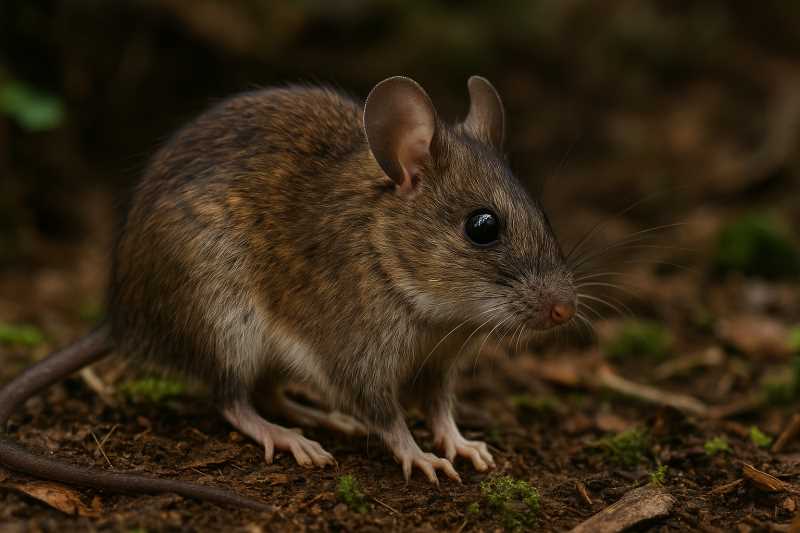
The Thomas’s Big-toothed Deermouse is aptly named for its relatively large teeth, which are a distinctive feature used in processing its varied diet. This rodent typically measures between 12 to 16 centimeters in total length, including its tail, which is often slightly longer than its body. Its fur is soft and dense, usually exhibiting a grayish-brown hue on the dorsal side, while the ventral side is lighter, often appearing white or cream.
The deermouse possesses large, rounded ears, enhancing its acute sense of hearing, which is crucial for detecting predators and communicating with fellow rodents. Its eyes are proportionately large, aiding in its nocturnal activities. The tail is furred and typically displays a two-toned appearance, darker on top and lighter underneath.
Range and Habitat
Thomas’s Big-toothed Deermouse is endemic to the montane regions of central and southern Mexico. Its range primarily includes the Sierra Madre del Sur and the Trans-Mexican Volcanic Belt. This species thrives in temperate forests, particularly those dominated by oak and pine trees, which provide ample cover and food resources.
These rodents are often found at elevations ranging from 1,500 to 3,000 meters. They are adapted to cooler, moist environments, which offer a rich array of fruits, seeds, and insects. The forest floor, filled with leaf litter and fallen logs, provides an ideal setting for nesting and foraging.
Behavior and Diet
Thomas’s Big-toothed Deermouse is predominantly nocturnal, spending its nights foraging for food and evading predators. Its diet is omnivorous, consisting of seeds, fruits, insects, and occasionally small invertebrates. This varied diet not only sustains its nutritional needs but also aids in the dispersal of plant seeds, contributing to the health of its ecosystem.
These rodents are solitary by nature, coming together primarily during the breeding season. Females typically give birth to litters of 2 to 4 young after a gestation period of about 3 weeks. The young are weaned quickly, becoming independent within a month.
Identification Tips (Field Recognition Cues)
Identifying Thomas’s Big-toothed Deermouse in the wild requires attention to several key characteristics:
- Size and Shape: Look for a small rodent with a total length of 12-16 cm, including a relatively long tail.
- Fur Color: Observe the grayish-brown fur on the dorsal side and the contrasting lighter ventral side.
- Distinctive Teeth: Large incisors are a defining feature, though this can be challenging to observe without close inspection.
- Ear and Eye Size: Note the large, rounded ears and prominent eyes, typical of nocturnal mammals.
- Habitat: Spotting this deermouse is more likely in montane forests with ample leaf litter and fallen logs.
Conservation Status (with Threats and Protections)
Thomas’s Big-toothed Deermouse is currently listed as "Least Concern" by the International Union for Conservation of Nature (IUCN). However, its specialized habitat makes it vulnerable to environmental changes and human activities.
Threats
- Deforestation: Logging and agricultural expansion have led to habitat fragmentation and loss.
- Climate Change: Alterations in temperature and precipitation patterns can impact the availability of food sources and suitable habitats.
Protections
Some regions within the deermouse’s range are protected under national park systems, which help preserve its natural habitat. Continued conservation efforts are essential to mitigate the effects of habitat destruction and climate change.
Frequently Asked Questions
- What is the lifespan of Thomas’s Big-toothed Deermouse?
In the wild, Thomas’s Big-toothed Deermouse typically lives for about 1 to 2 years. This lifespan is common among small rodents, which face high predation rates.
- How does Thomas’s Big-toothed Deermouse contribute to its ecosystem?
As seed dispersers, these deermice play a crucial role in forest regeneration. Their foraging habits help distribute seeds, promoting plant diversity and forest health.
- What are the main predators of Thomas’s Big-toothed Deermouse?
Predators include owls, snakes, and small carnivorous mammals. Their nocturnal lifestyle helps them avoid many diurnal predators.
- How can I help in the conservation of Thomas’s Big-toothed Deermouse?
Supporting conservation organizations and advocating for the protection of montane forests in Mexico can contribute to the preservation of this species’ habitat.
- Are there any unique behaviors exhibited by Thomas’s Big-toothed Deermouse?
One notable behavior is their use of vocalizations and scent marking to communicate and establish territories, although these are often subtle and not easily observed.
Related posts