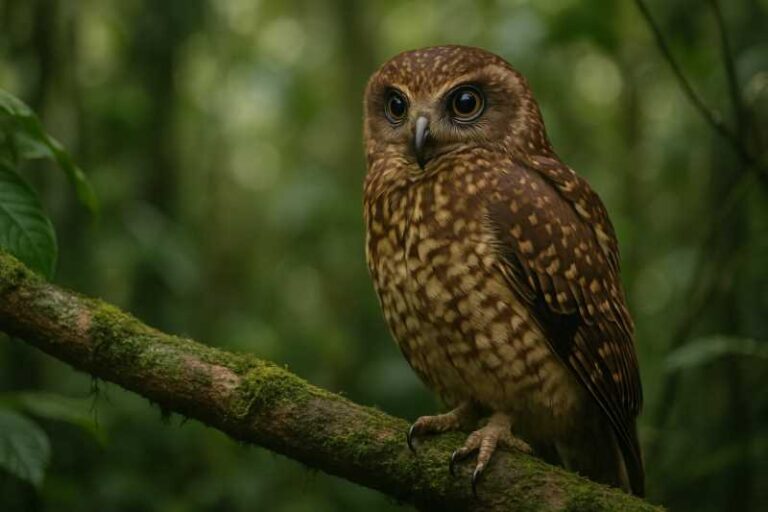
Discovering the Sooty Thrush: Costa Rica’s Avian Gem
The Sooty Thrush, scientifically known as **Turdus nigrescens**, is an intriguing species that adds a unique charm to the highland ecosystems of Costa Rica. This bird, with its distinctive appearance and intriguing behaviors, has fascinated ornithologists and bird watchers alike. This article delves into the characteristics, habitat, and ecological significance of the Sooty Thrush, offering a comprehensive overview for enthusiasts and scholars.
Physical Characteristics
The Sooty Thrush is easily identifiable by its dark, sooty plumage, which justifies its name. Adult males and females share a similar appearance, with an overall grayish-black coloration. The bird’s beak and legs contrast sharply with its dark feathers, exhibiting a vibrant orange-yellow hue. This striking contrast not only aids in identification but also adds to its aesthetic appeal. Measuring approximately 24-26 centimeters in length, the Sooty Thrush presents a robust and sturdy figure, typical of the thrush family.
One of the most captivating features of the Sooty Thrush is its song. Known for its melodious and varied tunes, the bird’s vocalizations are a common soundscape in its native habitats. The song comprises a series of rich, flute-like notes, often described as one of the most beautiful among Costa Rican birds.
Habitat and Distribution
Endemic to the highland regions of Costa Rica and western Panama, the Sooty Thrush thrives in montane forests and paramo ecosystems. It is typically found at elevations ranging from 1,800 to 3,100 meters, where it prefers the cool, moist environments of cloud forests and elfin forests. These habitats provide the Sooty Thrush with ample food resources and nesting opportunities.
The species is particularly abundant in national parks and protected areas, such as the Monteverde Cloud Forest Reserve and Chirripó National Park. These locations not only offer ideal living conditions but also serve as crucial conservation sites for preserving the Sooty Thrush’s natural habitats.
Diet and Feeding Behavior
The Sooty Thrush is an omnivorous bird, with a diet that primarily consists of fruits, insects, and small invertebrates. It plays a pivotal role in seed dispersal, particularly for various fruiting plant species in its habitat. By consuming fruits and excreting the seeds, the Sooty Thrush contributes to forest regeneration and plant diversity.
Feeding typically occurs on the ground or in the lower strata of the forest. The bird is often seen foraging alone or in pairs, using its strong beak to dig through leaf litter in search of insects and other small prey. During the breeding season, however, the Sooty Thrush may form loose flocks, especially in areas where food is abundant.
Breeding and Nesting
Breeding season for the Sooty Thrush usually spans from March to July, coinciding with the onset of the rainy season in Costa Rica. The birds are monogamous, with pairs establishing territories where they build their nests. Nests are typically constructed in dense vegetation or on tree branches, using a combination of twigs, moss, and grass to create a sturdy structure.
A typical clutch consists of two to three eggs, which the female incubates for about two weeks. Both parents participate in feeding and caring for the hatchlings, ensuring the young birds are well-nourished and protected. After fledging, juveniles continue to receive parental care until they are capable of independent survival.
Conservation Status and Challenges
The International Union for Conservation of Nature (IUCN) currently lists the Sooty Thrush as a species of Least Concern, due to its relatively stable population and wide distribution. However, like many forest-dependent species, it faces threats from habitat destruction and climate change.
Deforestation for agriculture and urban development poses significant risks to the montane forests that the Sooty Thrush calls home. Additionally, climate change could alter the delicate balance of these ecosystems, affecting food availability and nesting sites. Conservation efforts focusing on habitat preservation and sustainable land use are crucial for ensuring the long-term survival of the Sooty Thrush.
Conclusion
The Sooty Thrush is a remarkable bird that embodies the rich biodiversity of Costa Rica’s highland regions. Its striking appearance, enchanting song, and ecological role make it an important subject of study and conservation. As efforts continue to preserve its natural habitats, the Sooty Thrush remains a symbol of the delicate interplay between species and ecosystems in the Central American highlands. For ornithologists and nature enthusiasts, the Sooty Thrush offers an opportunity to witness the beauty and complexity of avian life in one of the world’s most vibrant ecological zones.
Related posts