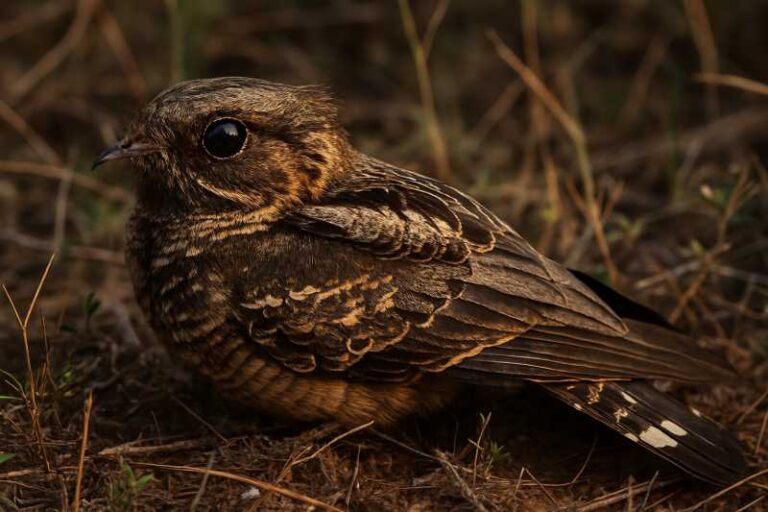
The Rufous-fronted Prinia: A Comprehensive Overview
The Rufous-fronted Prinia, scientifically known as *Prinia buchanani*, is a small passerine bird that belongs to the family Cisticolidae. This bird is a fascinating subject for ornithologists and bird enthusiasts alike due to its distinctive features and behaviors. Found primarily in the arid and semi-arid regions of South Asia, this species has adapted remarkably well to its environment, showcasing a unique blend of resilience and beauty.
Physical Characteristics
The Rufous-fronted Prinia is a small bird, typically measuring between 13 to 14 centimeters in length. Its most striking feature is the rufous or reddish-brown coloration on its forehead, which gives the species its name. The rest of its plumage is predominantly greyish-brown, with a paler underside that often appears white or light grey. The bird’s tail is long and often held upright, a characteristic trait of prinias. Its wings are short and rounded, which is typical among birds that prefer flitting through low vegetation rather than making long flights.
Habitat and Distribution
This species is predominantly found in the dry regions of South Asia, particularly in countries like India, Pakistan, and parts of Nepal. The Rufous-fronted Prinia is well-adapted to scrublands, thorn forests, and semi-desert areas, where it thrives in the sparse vegetation that offers both refuge and feeding opportunities. Its preference for such habitats means that it is less likely to be found in dense forests or highly urbanized areas.
Behavior and Diet
The Rufous-fronted Prinia is known for its active and acrobatic behavior. It is often seen flitting through bushes and low vegetation, constantly on the move in search of food. Its diet primarily consists of insects, which it picks off leaves and branches with precision. The bird’s feeding habits play a crucial role in controlling insect populations, showcasing its importance in the ecosystem.
In terms of social behavior, the Rufous-fronted Prinia is typically observed in pairs or small family groups. During the breeding season, they become particularly territorial, with males often engaging in elaborate displays to attract mates and ward off rivals. Their song is a series of high-pitched notes, often described as cheerful and melodious, which can be heard throughout their habitat.
Breeding and Nesting
The breeding season for the Rufous-fronted Prinia usually coincides with the onset of the monsoon, which provides an abundance of food resources. The birds are monogamous and form strong pair bonds. Nests are meticulously constructed by both partners, usually in shrubs or low trees, and are made from grass, leaves, and other plant materials. The female typically lays between 3 to 5 eggs, which are incubated for about two weeks before hatching.
Both parents are involved in feeding and caring for the chicks, which fledge after about 10 to 15 days. The cooperative breeding behavior is a testament to their dedication to offspring survival, ensuring that the young are well-prepared for independent life.
Conservation Status
Currently, the Rufous-fronted Prinia is classified as a species of Least Concern by the International Union for Conservation of Nature (IUCN). This status is due to its wide distribution and stable population trends. However, like many species, it faces potential threats from habitat destruction and climate change. Efforts to conserve its natural habitat are essential to ensure that this species continues to thrive in its native regions.
Conclusion
The Rufous-fronted Prinia, with its distinctive appearance and lively behavior, is a fascinating representative of the avian biodiversity in South Asia. Its ability to adapt to arid environments and its role in the ecosystem as an insect controller highlight its ecological significance. As with many species, ongoing conservation efforts are crucial to maintaining its population and preserving the natural habitats it relies on.
For birdwatchers and ecologists, the Rufous-fronted Prinia offers a wonderful opportunity to observe the complexities of avian life in semi-arid ecosystems. Its presence is not just a marker of biodiversity, but a reminder of the delicate balance that sustains life in some of the world’s harshest environments.
Related posts