Introduction
Peters’s Ghost-faced Bat (Mormoops megalophylla) is a fascinating and enigmatic species of bat belonging to the Mormoopidae family. Known for its distinctive facial structure and unique echolocation abilities, this bat species plays a vital role in the ecosystems where it resides. Found in regions ranging from the arid deserts of the southwestern United States to the tropical forests of Central and South America, Peters’s Ghost-faced Bat is a subject of interest for researchers and wildlife enthusiasts alike.
Understanding the biology, behavior, and conservation status of Mormoops megalophylla is essential for ensuring its survival and the health of the ecosystems it inhabits. This article provides a comprehensive overview of the species, covering various aspects such as physical description, habitat, behavior, and conservation efforts.
Physical Description
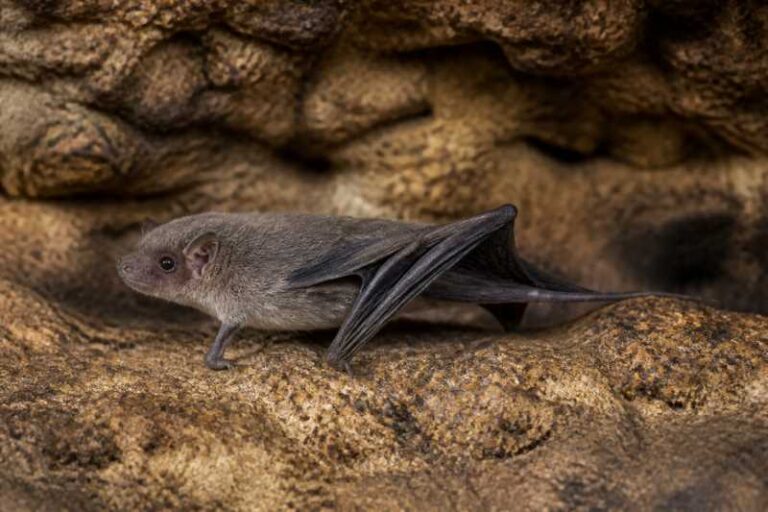
Peters’s Ghost-faced Bat is a medium-sized bat species, characterized by its unique facial features that give it a "ghost-faced" appearance. The bat has a wingspan ranging from 35 to 40 centimeters (approximately 14 to 16 inches) and a body length of about 12 to 15 centimeters (5 to 6 inches). The average weight of an adult bat is around 12 to 18 grams.
One of the most striking features of this bat is its facial structure. The face is devoid of fur, exposing the skin beneath, which is often a pale, ghostly hue. The bat’s snout is flattened, and the nostrils are positioned close to the eyes, giving it a distinctive appearance. The large, rounded ears are another notable feature, aiding in its echolocation abilities.
The fur covering the rest of the body is dense and ranges from reddish-brown to grayish-brown, providing camouflage against the bark of trees and cave walls where the bats roost. The wings are long and narrow, adapted for agile flight and efficient foraging.
Range and Habitat
Mormoops megalophylla is a versatile species, adapted to a wide range of habitats. Its distribution spans across the southwestern United States, including Texas, Arizona, and New Mexico, extending through Mexico and Central America, reaching as far south as northern South America, including countries like Colombia and Venezuela.
The bat thrives in a variety of environments, from arid deserts to humid tropical forests. It is commonly found roosting in caves, abandoned mines, and sometimes hollow trees. The preference for roosting sites with stable temperatures and humidity levels is crucial for their survival, as these conditions help conserve energy and maintain body temperature.
The availability of water bodies is another important factor influencing their habitat choice. Proximity to rivers, streams, and other water sources supports the bat’s diet, which primarily consists of insects.
Behavior and Diet
Peters’s Ghost-faced Bat is primarily nocturnal, emerging from its roosts at dusk to forage for food. The bat is an insectivore, feeding on a diverse array of insects, including moths, beetles, and flying ants. Its diet plays a crucial role in controlling insect populations, making it an important component of the ecosystem.
Echolocation is the primary method used by Mormoops megalophylla for navigating and hunting. The bat emits high-frequency sound waves that bounce off objects and return as echoes, allowing it to detect prey with remarkable precision, even in complete darkness.
Social behavior is also a notable aspect of this species. Peters’s Ghost-faced Bat is known to form large colonies, sometimes numbering in the thousands. These colonies provide safety in numbers, reducing the risk of predation and facilitating social interactions.
Identification Tips (Field Recognition Cues)
Identifying Peters’s Ghost-faced Bat in the field can be challenging due to its nocturnal habits and elusive nature. However, several key characteristics can aid in recognition:
- Facial Structure: Look for the distinctive ghost-like face with exposed skin and a flattened snout.
- Ear Shape: The large, rounded ears are a prominent feature, aiding in echolocation.
- Fur Color: Observe the reddish-brown to grayish-brown fur, which provides camouflage.
- Roosting Sites: Search in caves, abandoned mines, or hollow trees, especially in regions with stable temperatures and humidity.
- Flight Patterns: Note the agile flight and rapid changes in direction, typical of insectivorous bats.
Conservation Status (With Threats and Protections)
As of now, Peters’s Ghost-faced Bat is listed as a species of Least Concern by the International Union for Conservation of Nature (IUCN). However, several factors pose threats to its populations.
Threats:
- Habitat Loss: Urban development, deforestation, and mining activities threaten natural roosting sites.
- Pesticide Use: The bat’s insectivorous diet makes it vulnerable to pesticide exposure, which can reduce prey availability and lead to bioaccumulation of toxins.
- Disturbance: Human activities in caves and roost sites can cause stress and displacement of colonies.
Protections:
Conservation efforts for Mormoops megalophylla focus on habitat preservation and minimizing human disturbance. Protected areas and wildlife reserves play a crucial role in safeguarding roosting sites. Public awareness campaigns and regulations on pesticide use also contribute to the protection of this species.
Frequently Asked Questions
1. Where can Peters’s Ghost-faced Bat be found?
Peters’s Ghost-faced Bat is found in the southwestern United States, Mexico, Central America, and parts of northern South America. It inhabits a range of environments from deserts to tropical forests.
2. What does Peters’s Ghost-faced Bat eat?
The bat is an insectivore, primarily feeding on moths, beetles, and flying ants. It uses echolocation to hunt its prey with precision.
3. How does Peters’s Ghost-faced Bat use echolocation?
The bat emits high-frequency sound waves that bounce off objects and return as echoes. This allows the bat to navigate and locate prey even in complete darkness.
4. Is Peters’s Ghost-faced Bat endangered?
Currently, the species is listed as Least Concern by the IUCN. However, habitat loss, pesticide use, and human disturbance pose threats to its populations.
5. How can we help conserve Peters’s Ghost-faced Bat?
Supporting habitat preservation efforts, reducing pesticide use, and raising awareness about the importance of bats in ecosystems can aid in the conservation of this species.
Related posts