Introduction
Low’s Squirrel (Sundasciurus lowii) is a fascinating species of tree squirrel native to Southeast Asia. Known for its elusive nature and unique biological characteristics, it is a subject of interest for both researchers and wildlife enthusiasts. This article provides a comprehensive overview of Low’s Squirrel, covering its physical attributes, natural habitat, behavior, and conservation status. Additionally, we provide tips for identifying this intriguing creature in the wild.
Physical Description
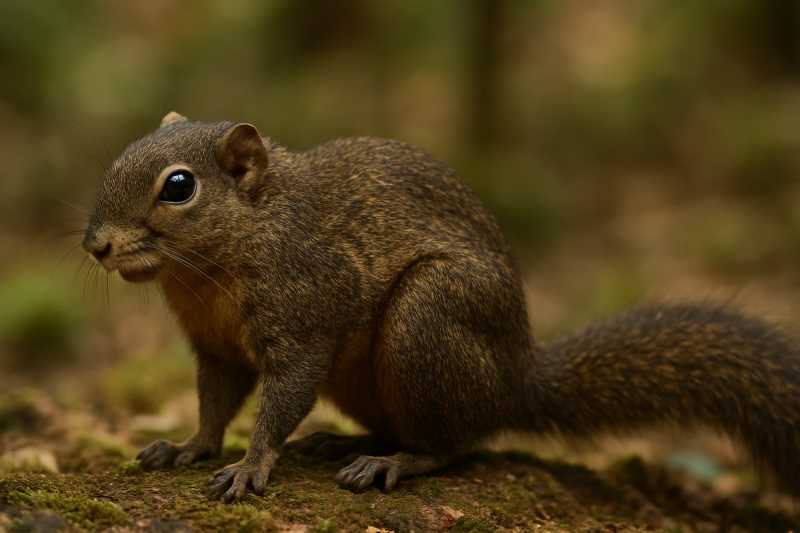
Low’s Squirrel is a medium-sized squirrel, with adults typically measuring between 20 to 30 centimeters in length, excluding the tail, which adds another 15 to 25 centimeters. The tail is bushy and serves as a balancing tool when navigating the treetops. The body is covered in soft, dense fur that varies in color from grayish-brown to olive, depending on the geographical location and subspecies. A distinctive feature of Low’s Squirrel is its white or cream-colored underbelly, which contrasts with the darker fur on its back. The ears are small and rounded, equipped with tufts of hair that provide additional insulation. The eyes are large and expressive, accommodating their arboreal lifestyle by enhancing vision in dimly lit forest environments.
Range and Habitat
Sundasciurus lowii is predominantly found in the tropical rainforests of Borneo and Sumatra, with some populations residing in the lower montane forests. These squirrels are highly adapted to life in the dense canopy, rarely descending to the ground. Low’s Squirrel thrives in primary and secondary forests, often favoring areas with a rich diversity of fruit-bearing trees and ample foliage for cover. The species’ range is influenced by the availability of suitable habitats, which are increasingly threatened by deforestation and land conversion for agriculture.
Behavior and Diet
Low’s Squirrel exhibits diurnal activity patterns, being most active during the early morning and late afternoon. This behavior helps them avoid the midday heat typical of their equatorial range. Their diet is omnivorous, consisting mainly of fruits, seeds, nuts, and occasionally insects or small invertebrates. They play a crucial role in their ecosystem as seed dispersers, aiding in forest regeneration. Social behavior in Low’s Squirrel tends to be solitary or in small family groups, with communication primarily occurring through vocalizations and tail movements. During the breeding season, which often coincides with periods of food abundance, males engage in competitive displays to attract potential mates.
Identification Tips
Identifying Low’s Squirrel in the wild requires keen observation skills and knowledge of their preferred habitats. Key field recognition cues include:
- Fur Coloration: Look for the contrast between the dark upper body and the lighter underbelly.
- Tail: A bushy tail with a black tip is a distinctive feature.
- Behavior: Observe their movement patterns; they often leap from branch to branch with agility and speed.
- Vocalizations: Listen for their characteristic chatter, which may indicate their presence.
Conservation Status
As of the latest assessments by the IUCN Red List, Low’s Squirrel is classified as Least Concern. However, the species faces significant threats from habitat destruction due to logging, palm oil plantations, and urban expansion. Conservation efforts are in place to protect their natural habitats, including the establishment of protected areas and sustainable forestry practices. Public awareness campaigns and community involvement in conservation initiatives are crucial for ensuring the long-term survival of Low’s Squirrel populations.
Frequently Asked Questions
1. What is the lifespan of Low’s Squirrel?
Low’s Squirrel typically lives for about 8 to 12 years in the wild, although this can vary depending on environmental conditions and predation pressures.
2. How does Low’s Squirrel contribute to its ecosystem?
This species plays a vital role in seed dispersal, which helps maintain forest diversity and structure. By spreading seeds, they promote the growth of many tree species.
3. Are Low’s Squirrels social animals?
Low’s Squirrels are generally solitary or found in small family groups. They communicate through vocalizations and physical displays, especially during the breeding season.
4. What are the main threats to Low’s Squirrel?
The primary threats include habitat loss due to deforestation, agricultural expansion, and climate change, which alters their natural environment.
5. Can Low’s Squirrel be kept as a pet?
It is not advisable to keep Low’s Squirrel as a pet due to their specific dietary and habitat needs, which are difficult to replicate in captivity. Additionally, capturing wild squirrels can disrupt local ecosystems.
Related posts