Amazonian Common Mustached Bat (Pteronotus alitonus): A Comprehensive Guide
Introduction
The Amazonian Common Mustached Bat (Pteronotus alitonus) is an intriguing and lesser-known species found in the lush and diverse ecosystems of the Amazon rainforest. This bat species plays a crucial role in maintaining the ecological balance of its habitat by controlling insect populations and contributing to seed dispersal. With its distinctive appearance and unique behaviors, Pteronotus alitonus offers a fascinating subject for both researchers and wildlife enthusiasts.
Physical Description
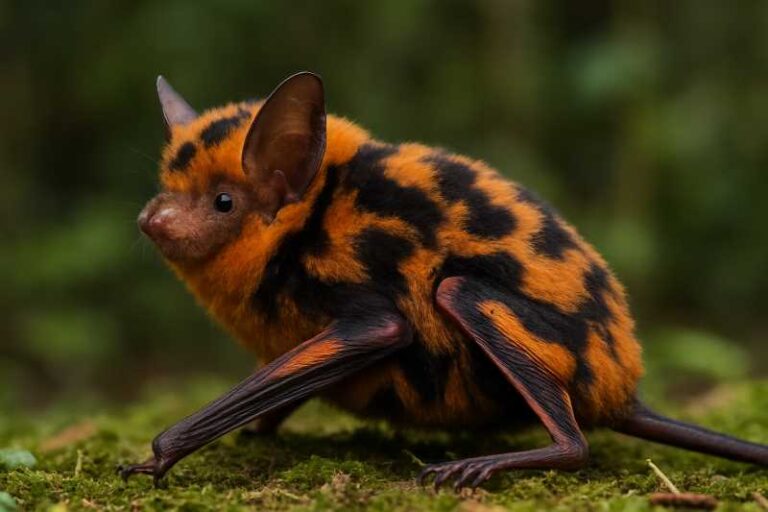
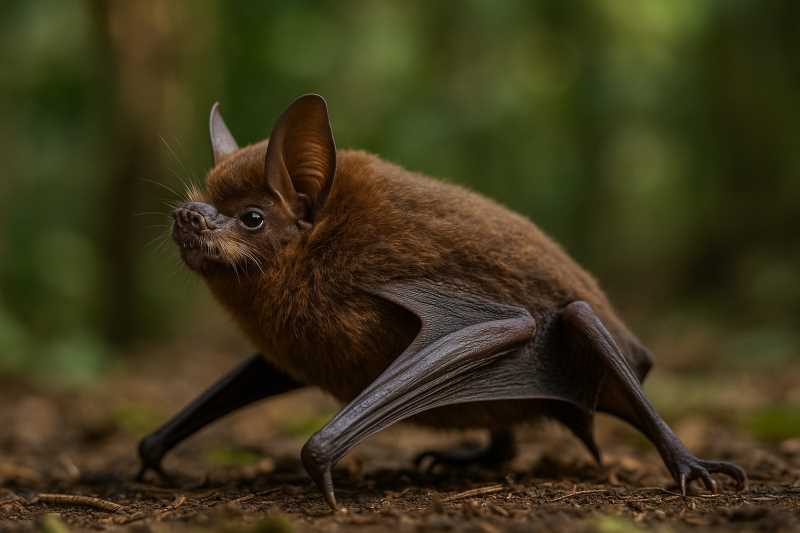
The Amazonian Common Mustached Bat is characterized by its medium size and distinctive facial features, which include a prominent mustache-like marking beneath its nose, lending the bat its common name. These bats typically have a body length ranging from 5 to 7 centimeters, and they possess a wingspan of approximately 30 to 35 centimeters. Their fur is generally dark brown or black, providing excellent camouflage in the dimly lit environments of the rainforest. The wings are long and slender, adapted for agile flight and efficient maneuvering through dense foliage.
The ears of Pteronotus alitonus are relatively large and rounded, aiding in their exceptional echolocation abilities. Their eyes, though small, are keenly adapted to low-light conditions, allowing them to navigate and hunt effectively at night. The dental structure of these bats is specialized for an insectivorous diet, comprising sharp and pointed teeth that facilitate the capture and consumption of prey.
Range and Habitat
Pteronotus alitonus is primarily found in the Amazon Basin, with its range extending across several countries including Brazil, Peru, Colombia, and Ecuador. These bats thrive in the humid, tropical conditions of the rainforest, where they inhabit areas close to water bodies such as rivers and streams. The dense canopy and abundant foliage provide ample roosting sites and hunting grounds.
The Amazonian Common Mustached Bat is a nocturnal species, spending daylight hours in sheltered roosts such as caves, hollow trees, and occasionally man-made structures. Their preference for secluded and undisturbed habitats makes them elusive and challenging to study, contributing to the current gaps in scientific knowledge about their ecology and population dynamics.
Behavior and Diet
The behavior of Pteronotus alitonus is primarily nocturnal, with peak activity occurring shortly after sunset and before dawn. These bats are highly social creatures, often forming colonies that can range from a few dozen individuals to several hundred. Within these colonies, complex social structures and communication systems are observed, with vocalizations playing a crucial role in maintaining group cohesion and coordinating hunting activities.
The diet of the Amazonian Common Mustached Bat is predominantly insectivorous, with a preference for moths, beetles, and other flying insects. Utilizing sophisticated echolocation, these bats emit high-frequency sound waves that bounce off potential prey, allowing them to pinpoint and capture insects with remarkable precision. This dietary preference not only supports their nutritional needs but also contributes to the regulation of insect populations within their habitat.
Identification Tips (Field Recognition Cues)
Identifying the Amazonian Common Mustached Bat in the field requires attention to several key characteristics:
- Facial Markings: Look for the distinctive mustache-like marking beneath the nose, a key identifying feature.
- Size and Color: Note the medium body size and dark brown or black fur, which can help distinguish this species from other bats in the region.
- Echolocation Calls: Listen for their unique echolocation calls, which may be detected with specialized equipment.
- Roosting Habits: Observe potential roosting sites such as caves and hollow trees, where these bats may be found during the day.
- Flight Behavior: Watch for their agile flight patterns at dusk and dawn, typically near water sources where insects are abundant.
Conservation Status (With Threats and Protections)
The conservation status of Pteronotus alitonus is currently classified as Data Deficient by the IUCN Red List, primarily due to limited information on its population size and trends. However, the species faces several threats that could impact its long-term survival, including habitat loss, climate change, and human disturbance.
Threats
- Habitat Loss: Deforestation and land conversion for agriculture and urban development are significant threats to the Amazon rainforest and its inhabitants, including the Amazonian Common Mustached Bat.
- Climate Change: Altered weather patterns and increased frequency of extreme weather events can disrupt the delicate balance of the rainforest ecosystem.
- Human Disturbance: Increased human activity, such as tourism and infrastructure development, can lead to disturbance and degradation of roosting sites.
Protections
Efforts to protect the Amazonian Common Mustached Bat include:
- Protected Areas: Establishment and enforcement of protected areas within the Amazon Basin to preserve critical habitats.
- Research and Monitoring: Increased research efforts to gather data on population dynamics, distribution, and ecological needs.
- Conservation Programs: Initiatives aimed at raising awareness and promoting sustainable practices within local communities.
Frequently Asked Questions
- What is the primary diet of the Amazonian Common Mustached Bat?
The Amazonian Common Mustached Bat primarily feeds on insects, with a preference for moths, beetles, and other flying insects. Their diet plays a vital role in controlling insect populations within their habitat.
- How does the Amazonian Common Mustached Bat use echolocation?
These bats emit high-frequency sound waves that bounce off objects and return as echoes, allowing them to detect and capture prey with precision. This echolocation ability is crucial for hunting and navigation in the dark.
- Where can the Amazonian Common Mustached Bat be found?
The Amazonian Common Mustached Bat is native to the Amazon Basin, found in countries such as Brazil, Peru, Colombia, and Ecuador. They inhabit rainforest areas, particularly near water sources.
- What are the main threats to the Amazonian Common Mustached Bat?
The main threats include habitat loss due to deforestation, climate change impacts, and human disturbance from tourism and infrastructure development.
- How can we help conserve the Amazonian Common Mustached Bat?
Conservation efforts include supporting protected areas, promoting sustainable land-use practices, and participating in research and monitoring programs to better understand and protect this species.
Related posts