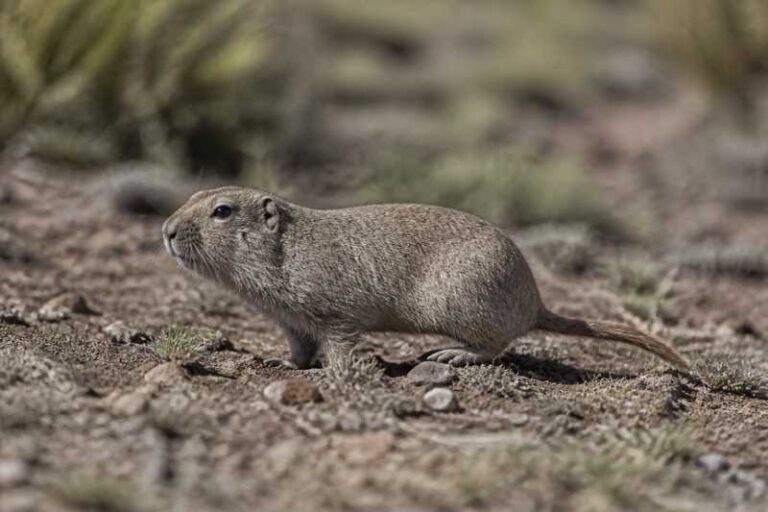
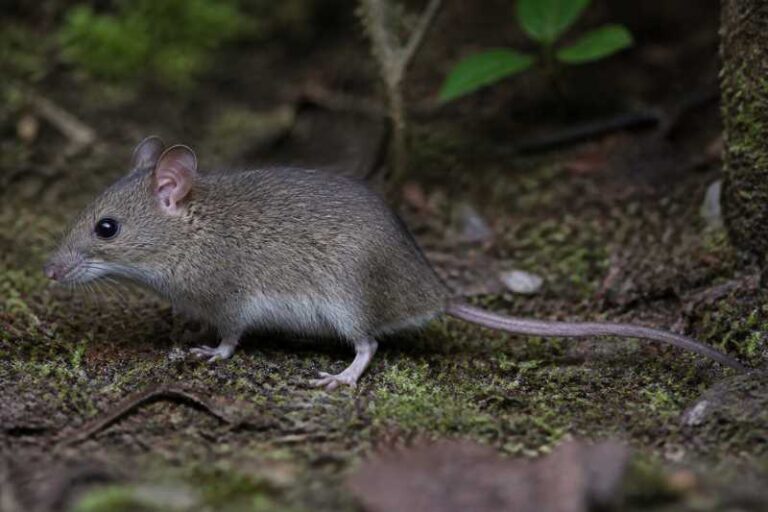
Lesser Striped Shrew: A Comprehensive Overview
Introduction
The Lesser Striped Shrew, scientifically known as Sorex bedfordiae, is a small yet fascinating mammal belonging to the Soricidae family. With its distinctive features and intriguing behavior, this shrew species plays a critical role in its ecosystem. Despite its small size, the Lesser Striped Shrew has captured the attention of researchers and naturalists alike due to its unique adaptations and ecological significance. This article delves into the physical characteristics, habitat, behavior, and conservation status of the Lesser Striped Shrew, providing a comprehensive understanding of this remarkable species.
Physical Description
The Lesser Striped Shrew is a diminutive mammal, typically measuring between 5 to 7 centimeters in length, with an additional tail length of approximately 3 to 5 centimeters. Weighing in at a mere 3 to 5 grams, it is among the smaller members of the shrew family. Its fur is soft and dense, exhibiting a grayish-brown coloration on the dorsal side, while the ventral side tends to be lighter, often with a creamy or whitish hue. The most distinctive feature of the Lesser Striped Shrew is the subtle dark stripe running along its back, from head to tail, which distinguishes it from other shrew species.
The shrew’s head is characterized by a pointed snout, which is a common trait among shrews, aiding in their foraging activities. Its small, beady eyes provide limited vision, relying more on its acute sense of smell and touch to navigate its environment. The ears are small and often hidden by the fur, contributing to its streamlined appearance.
Range and Habitat
The Lesser Striped Shrew is predominantly found in parts of South and Southeast Asia, with its range extending through countries such as China, Nepal, Bhutan, and northern India. It inhabits a variety of ecosystems, including montane forests, grasslands, and shrublands. The species shows a preference for moist environments, often found near water sources like streams and rivers.
This shrew is highly adaptable and can thrive in both natural and disturbed habitats, although it is most commonly associated with undisturbed, dense vegetation areas. It utilizes the leaf litter and undergrowth for shelter and foraging, making it an integral part of the forest floor ecosystem.
Behavior and Diet
Lesser Striped Shrews are primarily nocturnal creatures, exhibiting peak activity during the night. They are solitary animals, with each individual maintaining a territory that it defends against intruders. The shrew’s diet is predominantly insectivorous, feeding on a variety of insects, larvae, and other small invertebrates. It uses its acute sense of smell and touch to locate prey, often digging through leaf litter and soil.
In addition to insects, the Lesser Striped Shrew may occasionally consume plant matter, particularly seeds and fruits, although this constitutes a minor part of its diet. The high metabolic rate of the shrew necessitates frequent feeding, making it an active forager.
Identification Tips
Identifying the Lesser Striped Shrew in the field can be challenging due to its small size and elusive nature. However, there are several key features to look for:
- Size and Shape: Look for a small mammal with a body length of 5-7 cm and a tail length of 3-5 cm.
- Coloration: Note the grayish-brown fur on the back with a lighter underside. The dark stripe along the back is a distinguishing feature.
- Snout and Ears: A pointed snout and small, often obscured ears are characteristic of this species.
- Behavior: Active foraging behavior in leaf litter during the night can be an indicator.
Conservation Status
The conservation status of the Lesser Striped Shrew is currently listed as "Least Concern" by the International Union for Conservation of Nature (IUCN). However, like many small mammals, it faces several threats that could impact its population in the future.
Threats
- Habitat Loss: Deforestation and land conversion for agriculture are significant threats, leading to habitat fragmentation and loss.
- Pollution: The use of pesticides and other chemicals in agricultural practices can contaminate the shrew’s food sources.
- Climate Change: Alterations in climate patterns may affect the availability of prey and suitable habitats.
Protections
Conservation efforts for the Lesser Striped Shrew include habitat protection through the establishment of protected areas and reserves. Additionally, raising awareness about the ecological role of shrews and promoting sustainable land use practices can contribute to the species’ long-term survival.
Frequently Asked Questions
1. What is the primary diet of the Lesser Striped Shrew?
The Lesser Striped Shrew primarily feeds on insects and other small invertebrates. It uses its keen sense of smell to locate prey in the leaf litter and soil. Occasionally, it may also consume seeds and fruits, although these are not major components of its diet.
2. Where can the Lesser Striped Shrew be found?
The Lesser Striped Shrew is found in parts of South and Southeast Asia, including China, Nepal, Bhutan, and northern India. It inhabits montane forests, grasslands, and shrublands, often near water sources.
3. How does the Lesser Striped Shrew contribute to its ecosystem?
As an insectivore, the Lesser Striped Shrew plays a crucial role in controlling insect populations, thus contributing to the balance of its ecosystem. It also serves as prey for larger predators, making it an integral part of the food web.
4. Why is the Lesser Striped Shrew elusive?
The shrew’s nocturnal and solitary nature, combined with its small size and preference for dense vegetation, make it difficult to observe in the wild. Its reliance on camouflage and swift movements further contribute to its elusive behavior.
5. What are the main threats to the Lesser Striped Shrew?
The primary threats to the Lesser Striped Shrew include habitat loss due to deforestation and agricultural expansion, pollution from pesticides, and the impacts of climate change on its habitat and food sources.
Related posts