Introduction
The Chilean Chinchilla, scientifically known as Chinchilla laniger, is a small mammal native to the rugged landscapes of Northern Chile. Renowned for its luxurious fur and charming appearance, this species has been a subject of fascination and conservation efforts for many years. Once widespread, their numbers have dwindled due to over-hunting and habitat destruction, placing them on the brink of extinction.
This article delves into the various aspects of the Chilean Chinchilla’s life, including its physical characteristics, habitat, behavior, diet, and the ongoing conservation efforts aimed at protecting this unique species.
Physical Description
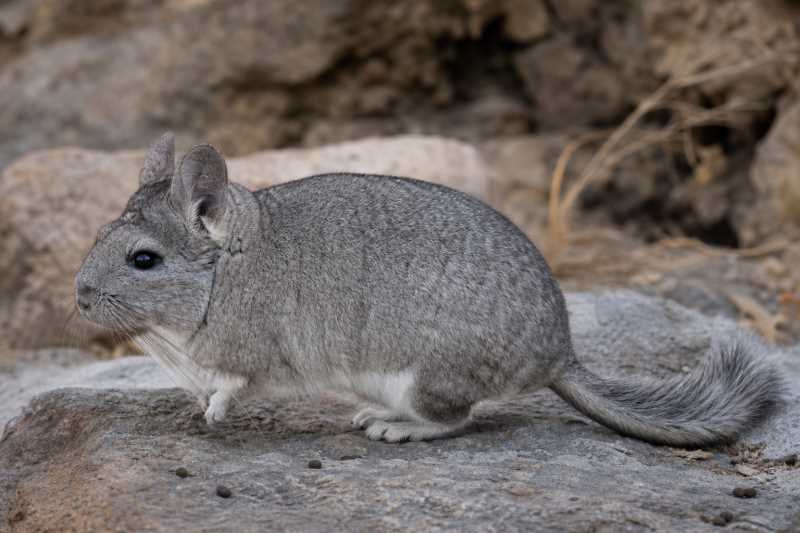
The Chilean Chinchilla is a small, rodent-like mammal characterized by its dense, silky fur, which is among the softest in the animal kingdom. The fur serves as an insulating layer, protecting the chinchilla from the harsh climates of its native habitat. Typically, the fur is bluish-grey but can vary in shades.
Chilean Chinchillas have a robust body, with males and females showing little sexual dimorphism. They usually measure between 9 to 12 inches in body length, with an additional 3 to 6 inches for the tail. Their round, expressive eyes are adapted for nocturnal activity, and they possess large, rounded ears that aid in thermoregulation and acute hearing.
Range and Habitat
Historically, the Chilean Chinchilla inhabited a wide range of areas across the Andes in Chile. However, today they are primarily found in the mountainous regions of northern Chile, particularly in the regions of Atacama and Coquimbo.
These animals are well-suited to arid, rocky environments, thriving in altitudes ranging from 3,000 to 5,000 meters. They inhabit crevices and burrows to avoid predators and extreme weather conditions, demonstrating remarkable adaptability to their challenging surroundings.
Behavior and Diet
Chilean Chinchillas are crepuscular and nocturnal creatures, meaning they are most active during twilight and night. They are social animals, often forming colonies of up to 100 individuals. This social structure helps them with mutual grooming and protection from predators.
Their diet primarily consists of grasses, seeds, and other vegetation found in their arid environment. They have an efficient digestive system that allows them to extract maximum nutrients from their limited diet. In times of food scarcity, they can survive by eating bark and roots.
Identification Tips (Field Recognition Cues)
Identifying a Chilean Chinchilla in the wild can be challenging due to their elusive nature and the similarity they share with other rodent species. However, there are distinct features that can aid in their identification:
- Fur Texture and Color: Their fur is exceptionally soft and dense, with a distinctive bluish-grey hue.
- Size and Shape: Their compact, rotund body and bushy tail distinguish them from other rodents.
- Behavioral Patterns: They often move in groups and are more active during dawn and dusk.
- Habitat: They are typically found in rocky, arid regions at high altitudes.
Conservation Status (With Threats and Protections)
The IUCN Red List classifies the Chilean Chinchilla as an endangered species. Major threats to their survival include habitat destruction due to mining and agriculture, as well as historical over-hunting for their highly prized fur.
Conservation efforts are in place, including legal protections and the establishment of national reserves to preserve their natural habitat. Organizations are also working towards breeding programs to increase their population, alongside efforts to restore their natural habitat and educate the public on the importance of preserving this unique species.
Frequently Asked Questions
Why is this species unique?
The Chilean Chinchilla is unique due to its incredibly soft and dense fur, which is highly adapted to its cold, arid habitat. Their social behavior and nocturnal activity also set them apart from many other rodent species.
How can we help in their conservation?
Conservation efforts can be supported by advocating for habitat protection, supporting sustainable agriculture practices, and contributing to organizations working on chinchilla breeding and habitat restoration programs.
What are their main predators?
Chilean Chinchillas face predation from birds of prey, foxes, and wild cats. Their primary defense mechanisms include their ability to hide in rocky crevices and their agile, nocturnal lifestyle.
Are Chilean Chinchillas suitable as pets?
While chinchillas can be kept as pets, it is important to ensure they are sourced sustainably and not taken from the wild. They require specific care, including a controlled environment that mimics their natural habitat.
What impact did fur hunting have on their population?
The demand for chinchilla fur in the early 20th century led to extensive hunting, drastically reducing their population. This unsustainable practice pushed the species to the brink of extinction before conservation measures were implemented.
Related posts