The Enigmatic Cattle Tyrant: Nature’s Avian Adventurer
In the vast, open landscapes of South America, where cattle roam and grasslands stretch to the horizon, a small but spirited bird can often be seen riding on the backs of grazing livestock. Known as the Cattle Tyrant (Machetornis rixosa), this fascinating bird is a member of the Tyrannidae family, which encompasses roughly 400 species of tyrant flycatchers. Despite its relatively modest size, the Cattle Tyrant is known for its bold behavior and opportunistic lifestyle, making it a subject of great interest to ornithologists and bird enthusiasts alike.
Physical Description
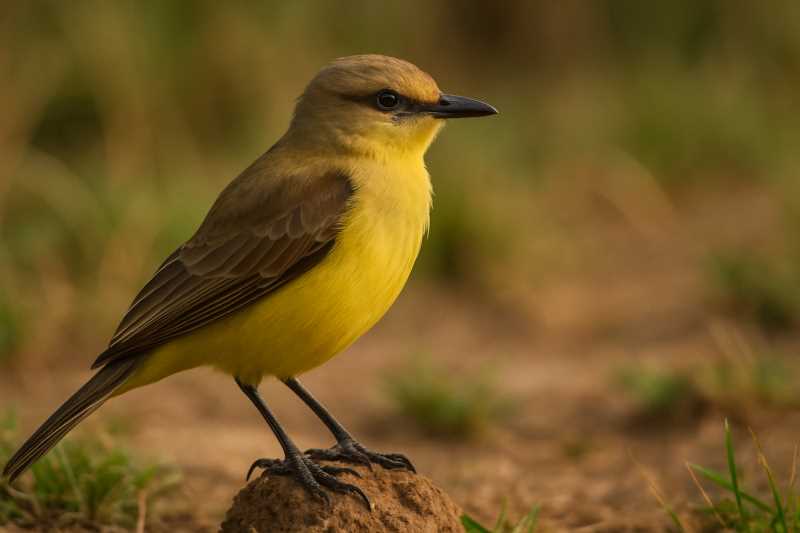
The Cattle Tyrant is a medium-sized bird, typically measuring around 18 to 23 centimeters in length. It is characterized by its olive-brown upperparts and a yellowish underbelly, which blend seamlessly into the grasslands and savannas it inhabits. The bird’s wings and tail are darker, often appearing blackish, providing a striking contrast to its light-colored body. The Cattle Tyrant’s bill is short and stout, perfectly adapted for its varied diet.
A notable feature of the Cattle Tyrant is its conspicuous eye-ring, which is usually yellow or orange. This vibrant ring around its dark eyes adds a touch of color to its otherwise earthy tones, enhancing its alert and inquisitive appearance as it scouts for food and potential threats.
Habitat and Range
The geographical range of the Cattle Tyrant is extensive, covering much of South America. It is commonly found in countries such as Brazil, Argentina, Uruguay, Paraguay, and parts of Bolivia. The bird favors open habitats, including savannas, grasslands, and agricultural areas, where it can easily find food and nesting sites.
Unlike many of its relatives in the Tyrannidae family, the Cattle Tyrant is not restricted to forested areas. Instead, it thrives in environments where human activity is prevalent, often accompanying herds of cattle, which is how it earns its common name. This adaptability to human-altered landscapes has likely contributed to its widespread distribution and stable population numbers.
Behavior and Diet
The Cattle Tyrant is an opportunistic feeder, primarily subsisting on a diet of insects and other small invertebrates. Its foraging behavior is both fascinating and efficient; the bird often rides on the backs of cattle, using them as mobile perches to survey the surrounding area for potential prey. This symbiotic relationship allows the Cattle Tyrant to catch insects that are disturbed by the movement of cattle through the grass.
In addition to insects, the Cattle Tyrant is known to consume small fruits and seeds, displaying a level of dietary flexibility that aids its survival in various habitats. The bird’s foraging strategy is a testament to its adaptability and resourcefulness, traits that are essential for thriving in the dynamic environments it inhabits.
Reproduction and Lifespan
Breeding season for the Cattle Tyrant usually coincides with the rainy season, a time when food resources are abundant. The birds build their nests in a variety of locations, often choosing sites in trees or shrubs that provide some protection from predators and the elements.
The nest is typically a cup-shaped structure, constructed from twigs, grasses, and other plant materials. Both the male and female take part in building the nest, incubating the eggs, and feeding the chicks. This cooperative behavior is crucial for the successful rearing of their young.
The clutch size usually consists of two to three eggs, which are incubated for about two weeks. After hatching, the chicks are fed by both parents and fledge approximately 16 to 18 days later. The lifespan of the Cattle Tyrant in the wild is not well-documented, but like many small birds, it likely ranges from several years to over a decade.
Conservation Status
Currently, the Cattle Tyrant is classified as a species of Least Concern by the International Union for Conservation of Nature (IUCN). Its wide distribution and ability to adapt to human-altered landscapes have contributed to its stable population trends. However, ongoing habitat destruction and changes in land use could pose threats to local populations in the future.
Conservation efforts for the Cattle Tyrant largely involve protecting its natural habitats and ensuring sustainable agricultural practices. By maintaining healthy ecosystems, we can help preserve the delicate balance that allows species like the Cattle Tyrant to thrive.
Conclusion
The Cattle Tyrant is a remarkable example of nature’s adaptability and resilience. Its unique behaviors and interactions with its environment highlight the intricate connections between species and their habitats. As we continue to study and appreciate this avian adventurer, we gain deeper insights into the complexities of ecological systems and the importance of preserving them for future generations.
Through its symbiotic relationship with cattle, the Cattle Tyrant exemplifies the interdependence of life forms, reminding us that even the smallest creatures play a significant role in the tapestry of life. By fostering a greater understanding of such species, we can inspire conservation efforts that ensure the survival of these avian adventurers and the ecosystems they inhabit.
Related posts