Introduction
Seba’s Short-tailed Bat, scientifically known as Carollia perspicillata, is a fascinating mammal that captivates researchers and nature enthusiasts alike. As a member of the Phyllostomidae family, commonly referred to as leaf-nosed bats, this species plays a vital role in its ecosystem. Found predominantly in tropical regions, Seba’s Short-tailed Bat is renowned for its adaptability and significant ecological contributions, particularly in seed dispersal and pollination. This article delves into the various aspects of this remarkable species, from its physical characteristics to its behavior, habitat preferences, and conservation status.
Physical Description
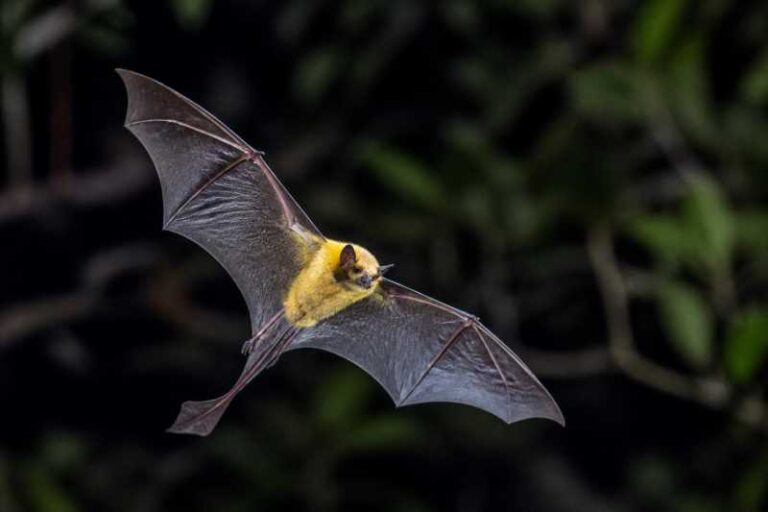
Seba’s Short-tailed Bat is a medium-sized bat known for its distinctive physical features. Adults typically weigh between 15 to 20 grams and boast a wingspan of approximately 28 to 35 centimeters. The species is easily recognizable by its short, broad tail, which is largely concealed within the interfemoral membrane. Its fur is generally dark brown or grayish-brown, providing excellent camouflage in its natural habitat.
One of the most striking features of Carollia perspicillata is its nose-leaf, a fleshy protuberance located on its snout. This structure is believed to aid in echolocation, enhancing the bat’s ability to navigate and hunt in complete darkness. The species possesses large, rounded ears and a relatively broad muzzle, which are characteristic features of the leaf-nosed bats.
Range and Habitat
Seba’s Short-tailed Bat exhibits a broad geographical range, inhabiting tropical and subtropical areas across Central and South America. Its distribution extends from southern Mexico through Central America, encompassing countries like Costa Rica and Panama, and stretches as far south as Brazil and Argentina. This extensive range highlights the species’ adaptability to various environmental conditions.
Carollia perspicillata thrives in diverse habitats, including lowland rainforests, montane forests, and even disturbed areas such as plantations and urban environments. The species is particularly associated with habitats rich in fruit-bearing plants, as these provide essential food resources. Additionally, Seba’s Short-tailed Bat often roosts in caves, hollow trees, and man-made structures, showcasing its flexibility in roost site selection.
Behavior and Diet
Seba’s Short-tailed Bat is predominantly nocturnal, with most of its activities occurring during the night. This behavioral pattern is closely linked to its diet, which consists primarily of fruits, nectar, and pollen. The species exhibits a strong preference for Piper plants, making it an important seed disperser for these and other fruiting plants. By consuming fruits and subsequently excreting the seeds in different locations, Seba’s Short-tailed Bat plays a crucial role in forest regeneration and plant diversity.
In addition to frugivory, Carollia perspicillata occasionally feeds on insects, which supplements its diet and provides necessary proteins. Its foraging strategy involves swift, agile flight, allowing the bat to navigate dense vegetation and capture food efficiently. Socially, Seba’s Short-tailed Bat is known for its gregarious nature, often forming large colonies that can include hundreds of individuals. These colonies provide protection and enhance foraging efficiency through cooperative behaviors.
Identification Tips
Identifying Seba’s Short-tailed Bat in the field can be a rewarding experience for naturalists and researchers. Key identification tips include:
- Size and Shape: Look for a medium-sized bat with a short, broad tail and a wingspan of 28 to 35 centimeters.
- Nose-leaf: Note the distinctive nose-leaf structure, which is a hallmark of the family Phyllostomidae.
- Fur Color: Observe the dark brown or grayish-brown fur, which can help the bat blend into its surroundings.
- Roosting Behavior: Be aware of their roosting habits in caves, hollow trees, and man-made structures.
- Echolocation Calls: Although challenging to detect without specialized equipment, the bat’s echolocation calls can provide clues to its presence.
Conservation Status
The conservation status of Seba’s Short-tailed Bat is currently classified as Least Concern by the International Union for Conservation of Nature (IUCN). This classification reflects the species’ wide distribution and presumed large population size. However, ongoing threats could potentially impact local populations if not addressed.
Key threats to Carollia perspicillata include habitat loss due to deforestation, agricultural expansion, and urbanization. These activities result in the fragmentation of forest habitats, which can disrupt food availability and roosting sites. Additionally, pesticide use in agricultural areas poses a risk to the bat’s food sources and overall health.
Conservation efforts for Seba’s Short-tailed Bat focus on habitat protection and sustainable land-use practices. Establishing protected areas and promoting reforestation initiatives are crucial steps in safeguarding the species’ future. Furthermore, raising awareness about the ecological importance of bats can garner public support for their conservation.
Frequently Asked Questions
1. What does Seba’s Short-tailed Bat eat? Seba’s Short-tailed Bat primarily feeds on fruits, nectar, and pollen, with a strong preference for Piper plants. Occasionally, it supplements its diet with insects.
2. Where can Seba’s Short-tailed Bat be found? This bat species is widely distributed across Central and South America, from southern Mexico to Brazil and Argentina, inhabiting tropical and subtropical regions.
3. How does Seba’s Short-tailed Bat contribute to its ecosystem? Seba’s Short-tailed Bat plays a vital role in seed dispersal and pollination, aiding in forest regeneration and maintaining plant diversity.
4. What are the main threats to Seba’s Short-tailed Bat? The primary threats include habitat loss due to deforestation, agricultural expansion, urbanization, and pesticide use, which impact food availability and roosting sites.
5. How can we help conserve Seba’s Short-tailed Bat? Conservation efforts include protecting habitats, promoting reforestation, and raising public awareness about the ecological importance of bats.
Related posts