The Green-backed Gerygone: An Avian Gem of the Australasia Region
The Green-backed Gerygone (Gerygone chloronota) is a small, yet captivating bird species that inhabits the lush, verdant landscapes of Australasia. With its subtle charm and melodic song, this bird is an integral part of the ecological tapestry of the region. This article delves into the characteristics, habitat, behavior, and conservation status of the Green-backed Gerygone, shedding light on why this bird is a significant subject of interest for ornithologists and bird enthusiasts alike.
Taxonomy and Identification
Belonging to the family Acanthizidae, the Green-backed Gerygone is one of the many species within the genus Gerygone, which comprises small passerine birds found predominantly in Australasia. The name ‘Gerygone’ is derived from the Greek words ‘geranos’ meaning crane, and ‘gone’ meaning offspring, which reflects the bird’s slender appearance and possibly its melodic song.
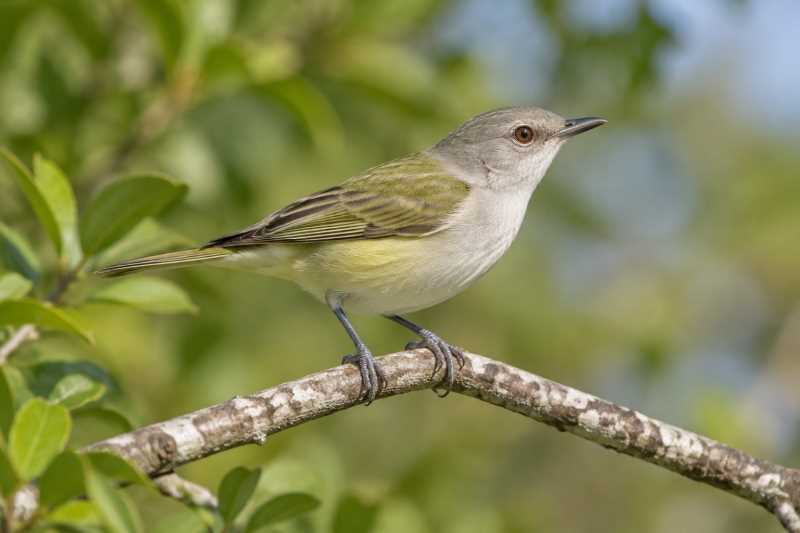
The Green-backed Gerygone is a diminutive bird, measuring approximately 10-11 cm in length. Its most distinctive feature is its olive-green back, which gives it its common name. The bird’s underparts are typically a pale yellow, contrasting beautifully with its green plumage. The head and nape are often a slightly darker shade of green, providing subtle but effective camouflage amidst the foliage. The bird’s bill is slender and pointed, adapted for its insectivorous diet.
Habitat and Distribution
The Green-backed Gerygone is primarily found in the coastal and sub-coastal regions of northern and eastern Australia, New Guinea, and several offshore islands. Its habitat preferences include tropical and subtropical rainforests, mangroves, and other densely vegetated areas where it can find ample food and shelter.
This species demonstrates a preference for the mid to upper canopy levels of forests, where it can skillfully maneuver through the foliage in search of insects and spiders. The bird’s habitat range can be quite expansive, but it remains closely tied to forested environments, making it sensitive to habitat destruction and fragmentation.
Behavior and Ecology
The Green-backed Gerygone is an active and agile forager, often seen flitting through the canopy in search of food. Its diet consists mainly of small insects and arachnids, which it gleans from the leaves and branches. The bird’s foraging behavior is characterized by quick, darting movements, and it often hangs upside down to access its prey.
One of the most enchanting aspects of this bird is its song. The Green-backed Gerygone is known for its melodious and repetitive call, which consists of a series of high-pitched whistles. This vocalization plays a crucial role in territory establishment and mate attraction, with both males and females participating in vocal displays.
Breeding occurs during the wet season, which varies depending on the geographic location. The species is known for its unique nesting behavior, constructing a dome-shaped nest suspended from tree branches. The nest is intricately woven from grasses, bark strips, and other plant materials, providing a secure environment for the eggs and young chicks.
Conservation Status and Threats
The Green-backed Gerygone is currently listed as a species of Least Concern by the International Union for Conservation of Nature (IUCN). Despite this seemingly secure status, the species faces several threats that could impact its populations in the future.
Habitat loss and fragmentation due to agricultural expansion, logging, and urbanization are the primary threats to the Green-backed Gerygone. As forests are cleared or degraded, the availability of suitable habitats diminishes, posing a risk to the species’ long-term survival. Additionally, climate change poses an indirect threat by altering the distribution and quality of habitats.
Conservation efforts aimed at preserving forested areas and implementing sustainable land-use practices are crucial for ensuring the continued survival of this species. Public awareness and engagement in conservation initiatives can also play a pivotal role in safeguarding the Green-backed Gerygone and its habitat.
Conclusion
The Green-backed Gerygone is a remarkable bird that embodies the intricate beauty and ecological complexity of Australasia’s forest ecosystems. Its melodic song and vibrant plumage make it a favorite among bird watchers, while its ecological role as an insectivore highlights its importance in maintaining balanced ecosystems.
Understanding and appreciating the Green-backed Gerygone’s life and habitat is essential for fostering a deeper connection with the natural world. By supporting conservation efforts and promoting sustainable practices, we can ensure that this avian gem continues to grace the forests of Australasia for generations to come.
Related posts