Introduction
The Peruvian Tuco-tuco, scientifically known as Ctenomys peruanus, is a fascinating rodent species native to South America. This particular species belongs to the family Ctenomyidae, which is renowned for its burrowing rodents commonly referred to as tuco-tucos. These rodents have been the focus of scientific interest due to their unique adaptations to underground life and their role in ecosystem engineering. This article delves into the various aspects of the Peruvian Tuco-tuco, including its physical characteristics, habitat, behavior, and conservation status.
Physical Description
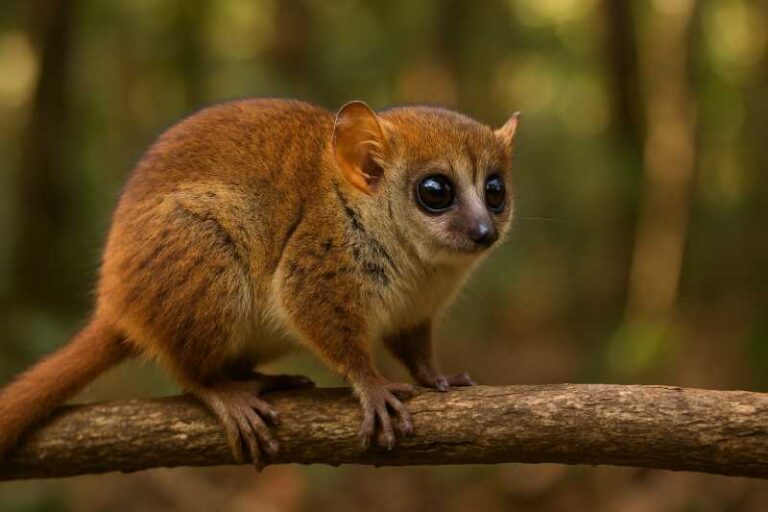
The Peruvian Tuco-tuco is a medium-sized rodent with a robust body and short limbs, typical of fossorial animals. It has a dense, soft fur that ranges from gray to brown, providing excellent camouflage against the earthy tones of its habitat. The body length of this species ranges from 15 to 25 centimeters, with a tail length of about 6 to 10 centimeters. One of its most distinctive features is its powerful forelimbs equipped with long claws, which are adapted for digging. Its head is broad with small eyes and ears, reducing soil intrusion while burrowing.
The incisors of the Peruvian Tuco-tuco are large and continuously growing, enabling it to gnaw through roots and hard substrates. These incisors are generally yellow to orange in color, a common trait among rodents. The tuco-tuco’s overall morphology reflects its adaptation to a subterranean lifestyle, making it an efficient digger and navigator of underground tunnels.
Range and Habitat
Ctenomys peruanus is primarily found in the Andean highlands of Peru, with its range extending into some parts of Bolivia. It inhabits grasslands and semi-arid regions, often at altitudes ranging from 3,000 to 4,500 meters above sea level. These areas are characterized by loose, sandy soils that are ideal for the construction of extensive burrow systems.
The burrows of the Peruvian Tuco-tuco are elaborate networks consisting of multiple tunnels and chambers used for nesting, food storage, and protection from predators. These underground structures are crucial for maintaining stable temperatures and humidity levels, providing a safe environment for the tuco-tuco to thrive. The presence of tuco-tucos is often indicated by the small mounds of earth they leave at the entrance of their burrows.
Behavior and Diet
The Peruvian Tuco-tuco is primarily solitary and territorial, with each individual maintaining its own burrow system. These rodents are mostly active during the day (diurnal), although some nocturnal activity has been observed. Communication between individuals is facilitated through vocalizations, particularly a series of high-pitched calls that are used to establish territory and attract mates.
The diet of the Peruvian Tuco-tuco consists mainly of underground plant parts, such as roots, tubers, and bulbs. This diet is supplemented with surface vegetation, including grasses and herbs, when available. The tuco-tuco plays a vital role in the ecosystem by aerating the soil and influencing plant community dynamics through its foraging activities.
Identification Tips (Field Recognition Cues)
Identifying the Peruvian Tuco-tuco in the field requires attention to several key characteristics:
- Habitat: Look for evidence of burrows in high-altitude grasslands and semi-arid regions; small mounds of earth are common indicators.
- Physical Traits: Note the robust body, short limbs, and yellow-orange incisors.
- Behavior: Listen for distinctive vocalizations, especially in territories with known tuco-tuco populations.
Field researchers often use these cues in combination with trapping and direct observation to confirm the presence of Ctenomys peruanus.
Conservation Status (with Threats and Protections)
The Peruvian Tuco-tuco is currently classified as ‘Least Concern’ by the International Union for Conservation of Nature (IUCN). Despite this classification, the species faces several threats, including habitat degradation due to agricultural expansion, mining activities, and climate change. These factors can lead to fragmentation of populations and loss of suitable habitat.
Conservation efforts for the Peruvian Tuco-tuco focus on habitat preservation and the implementation of sustainable land-use practices. Protected areas within its range help mitigate some of the impacts of human activities. Additionally, research and monitoring programs are crucial for understanding population dynamics and informing conservation strategies.
Frequently Asked Questions
What do Peruvian Tuco-tucos eat?
Peruvian Tuco-tucos primarily feed on underground plant parts like roots, tubers, and bulbs, as well as surface vegetation such as grasses and herbs.
How do Peruvian Tuco-tucos communicate?
These rodents communicate through vocalizations, especially high-pitched calls used for territory establishment and mate attraction.
What threats do Peruvian Tuco-tucos face?
The main threats include habitat degradation from agriculture, mining, and climate change, which lead to habitat fragmentation and loss.
Where can Peruvian Tuco-tucos be found?
They inhabit the Andean highlands of Peru and parts of Bolivia, preferring grasslands and semi-arid regions at altitudes of 3,000 to 4,500 meters.
How can Peruvian Tuco-tucos be identified in the field?
Look for burrow systems with earth mounds, robust body structure, yellow-orange incisors, and listen for their vocalizations.
Related posts