Introduction
The Mount Pirre Deermouse, scientifically named Isthmomys pirrensis, is a rare and fascinating rodent species found primarily in the remote highland regions of Panama. Known for its elusive nature and unique habitat preferences, this deermouse draws the attention of mammalogists and conservationists alike. As a member of the Cricetidae family, the Mount Pirre Deermouse represents a critical piece of the ecological puzzle in its native range. This article delves into the various aspects of the species, offering insights into its physical characteristics, habitat, behavior, and conservation status.
Physical Description
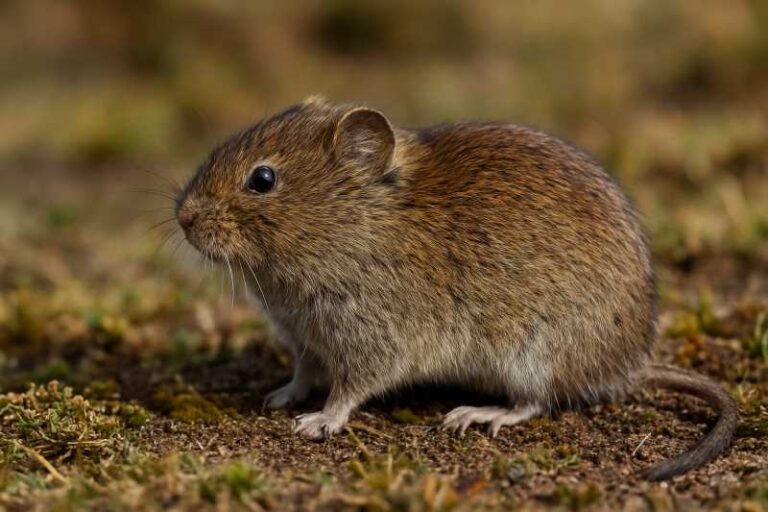
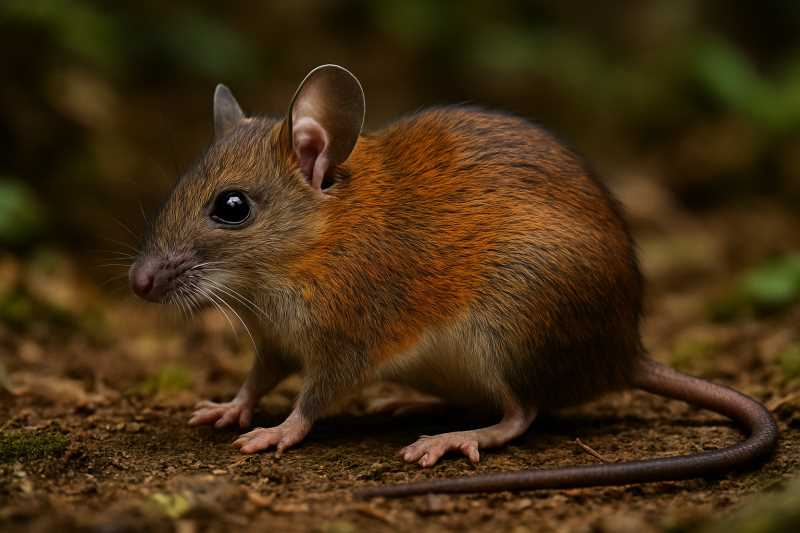
The Mount Pirre Deermouse is a small rodent, typically measuring between 12 to 14 centimeters in body length, with a tail that adds an additional 10 to 12 centimeters. The species is characterized by its soft, dense fur, which is predominantly grayish-brown on the dorsal side, blending seamlessly with the forest floor. The ventral side is usually lighter, often displaying a subtle creamy or whitish hue.
One of the distinguishing features of Isthmomys pirrensis is its large, round ears, which are adapted to detect even the faintest sounds within its dense forest habitat. The eyes are notably large and dark, suited for its nocturnal lifestyle, aiding in navigating the dimly lit undergrowth. Its whiskers, long and sensitive, play a crucial role in tactile navigation and environmental sensing.
Range and Habitat
The Mount Pirre Deermouse is endemic to the highland regions of eastern Panama, particularly within the Darién National Park. It is primarily found in montane forests at elevations ranging from 1,200 to 1,800 meters above sea level. These forests are characterized by high humidity and dense vegetation, providing ample cover and resources for the deermouse.
The species’ preference for elevated forest environments is likely due to the availability of specific dietary resources and the reduced presence of predators. The habitat is rich in leaf litter, fallen logs, and a diverse understory, all of which are crucial for the deermouse’s survival, offering both food and shelter.
Behavior and Diet
The Mount Pirre Deermouse is predominantly nocturnal, emerging at night to forage for food. Its diet is omnivorous, consisting mainly of seeds, fruits, insects, and small invertebrates. This dietary flexibility allows it to adapt to seasonal variations in food availability.
Social behavior in Isthmomys pirrensis is not well-documented, but like many rodents, it likely exhibits solitary or loosely social behavior outside of the breeding season. Breeding patterns are also not extensively studied, though it is presumed that the species follows the typical rodent reproduction cycle, with multiple litters per year.
Identification Tips (field recognition cues)
Recognizing the Mount Pirre Deermouse in the field requires attention to several key features:
- Size and Shape: Look for a small rodent with a body length of 12 to 14 centimeters and a proportionately long tail.
- Fur Coloration: Note the grayish-brown dorsal fur and lighter ventral side.
- Ears and Eyes: Large, round ears and prominent eyes are significant indicators.
- Behavior: Nocturnal activity and a preference for leaf litter and dense underbrush.
Conservation Status (with threats and protections)
Currently, the Mount Pirre Deermouse is classified as "Endangered" on the IUCN Red List. The primary threats to its survival include habitat destruction due to logging, agricultural expansion, and infrastructure development. As its habitat is confined to a specific mountainous region, any environmental changes can have severe impacts.
Conservation efforts are focused on habitat preservation within the Darién National Park, a UNESCO World Heritage site. Legal protections are in place, but enforcement is challenging due to the area’s remoteness and limited resources. Continued research and monitoring are essential to understand the species’ ecology and inform conservation strategies.
Frequently Asked Questions
What is the Mount Pirre Deermouse’s natural habitat?
The Mount Pirre Deermouse resides in the montane forests of eastern Panama, particularly at elevations between 1,200 and 1,800 meters in the Darién National Park.
How does the Mount Pirre Deermouse contribute to its ecosystem?
As an omnivorous rodent, the Mount Pirre Deermouse plays a role in seed dispersal and pest control, contributing to the forest’s ecological balance.
What are the major threats to the Mount Pirre Deermouse?
Habitat destruction due to logging, agriculture, and infrastructure development are the primary threats to this endangered species.
Are there any conservation programs for the Mount Pirre Deermouse?
Yes, conservation efforts focus on habitat preservation within the Darién National Park, with legal protections to safeguard its environment.
How can I help in the conservation of the Mount Pirre Deermouse?
Supporting conservation organizations and raising awareness about the species’ plight can contribute to its protection and survival.
Related posts