Introduction
The Mount Malindang White-toothed Shrew, scientifically known as Crocidura grandis, is a fascinating mammal that dwells in the lush, biodiverse ecosystems of the Philippines. This elusive species is particularly intriguing due to its restricted range and unique adaptations to its environment. As part of the Soricidae family, this shrew adds to the rich tapestry of mammalian life found in Southeast Asia. This article delves into the various aspects of the Mount Malindang White-toothed Shrew, exploring its physical characteristics, habitat, behaviors, and the conservation challenges it faces.
Physical Description
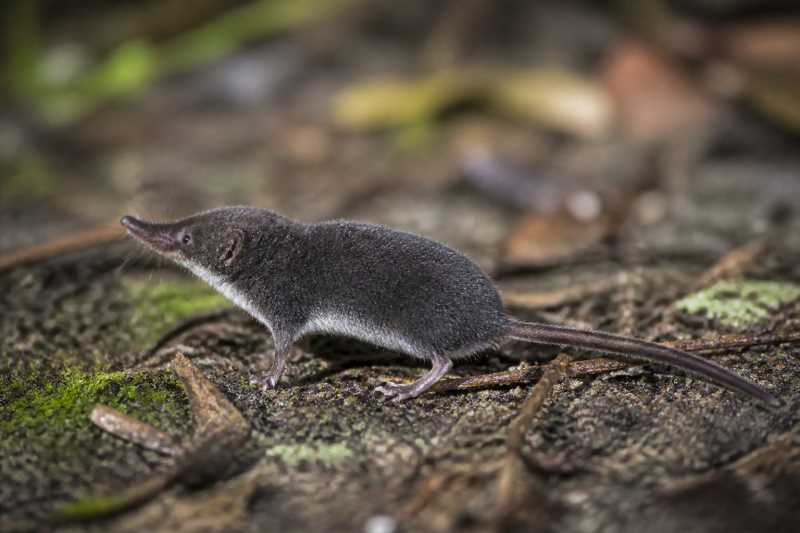
Crocidura grandis is notable for its relatively large size compared to other members of the genus Crocidura. It possesses a sleek, elongated body that measures approximately 100-120 millimeters in length, excluding the tail. The shrew’s tail adds an additional 60-80 millimeters, serving as a balance aid and a tactile sensory organ. The fur is dense and velvety, typically exhibiting a dark gray to blackish hue which provides camouflage against the forest floor.
The shrew’s pointed snout, which houses sharp, white teeth, is a defining feature. These teeth are not only instrumental for foraging and consuming prey but are also an adaptation that distinguishes the species from other shrews. The ears of Crocidura grandis are small and partially hidden within its fur, an adaptation that reduces heat loss and protects against debris.
Range and Habitat
The Mount Malindang White-toothed Shrew is endemic to the Philippines, specifically in the Mount Malindang region on the island of Mindanao. This area is characterized by its rugged terrain and dense forest cover, offering the perfect environment for this shrew. The species thrives in montane forests, where it inhabits altitudes ranging from 1,200 to 2,400 meters above sea level.
The habitat of Crocidura grandis is marked by rich biodiversity, with a plethora of plant and animal species coexisting within the forest canopy and undergrowth. The shrew prefers areas with thick leaf litter and an abundance of hiding spots, which provide both food resources and protection from predators.
Behavior and Diet
The Mount Malindang White-toothed Shrew is primarily nocturnal, engaging in most of its activities under the cover of darkness. This behavior reduces the risk of predation and competition for food. The shrew is known for its high metabolism, necessitating a diet rich in protein and energy.
Its diet mainly consists of insects, earthworms, and small arthropods. The shrew’s keen sense of smell aids in locating prey beneath the leaf litter. It employs a rapid, darting motion to capture its prey, utilizing its sharp teeth to efficiently dispatch and consume it.
During the day, Crocidura grandis typically rests in burrows or natural crevices, which offer protection from both predators and environmental elements.
Identification Tips (Field Recognition Cues)
Spotting a Mount Malindang White-toothed Shrew in the wild can be challenging due to its elusive nature and nocturnal habits. However, there are several cues that can aid in identification:
- Size and Shape: Look for a small mammal with a body length of about 10-12 cm, excluding the tail, which is slender and adds another 6-8 cm.
- Fur Color: The dense, dark gray to black fur helps the shrew blend into its forest surroundings.
- Activity Patterns: If searching at night, listen for rustling in leaf litter, a common indication of the shrew’s foraging activities.
- Distinctive Behavior: Observe the rapid, darting movements characteristic of shrews when hunting.
Conservation Status (with Threats and Protections)
The conservation status of the Mount Malindang White-toothed Shrew is currently classified as "Data Deficient" by the International Union for Conservation of Nature (IUCN), primarily due to limited information on its population size and distribution. However, like many species endemic to the Philippines, it faces several threats.
Threats
- Habitat Loss: Deforestation due to logging, agricultural expansion, and urban development poses a significant threat to the shrew’s habitat.
- Climate Change: Alterations in temperature and precipitation patterns can impact the delicate balance of the montane ecosystems.
- Predation: Introduced species such as cats and rats increase predation pressure on native shrew populations.
Protections
Efforts to conserve the Mount Malindang White-toothed Shrew include:
- Protected Areas: Portions of Mount Malindang are designated as protected areas, which help preserve critical habitats.
- Research and Monitoring: Initiatives to gather more data on the species’ ecology and population trends are essential for effective conservation planning.
Frequently Asked Questions
What is the habitat of the Mount Malindang White-toothed Shrew?
The shrew inhabits montane forests in the Mount Malindang region of Mindanao, Philippines, preferring altitudes of 1,200 to 2,400 meters.
How can you identify a Mount Malindang White-toothed Shrew?
Look for a small, dark-furred mammal with a slender tail, active at night with rapid movements in dense forest undergrowth.
What threats does the Mount Malindang White-toothed Shrew face?
Major threats include habitat loss due to deforestation, climate change impacts, and increased predation from introduced species.
Why is the Mount Malindang White-toothed Shrew important?
As part of the ecosystem, it plays a crucial role in controlling insect populations and contributing to the biodiversity of its habitat.
What is being done to protect the Mount Malindang White-toothed Shrew?
Conservation efforts include habitat protection through designated reserves and research initiatives to better understand the species.
Related posts