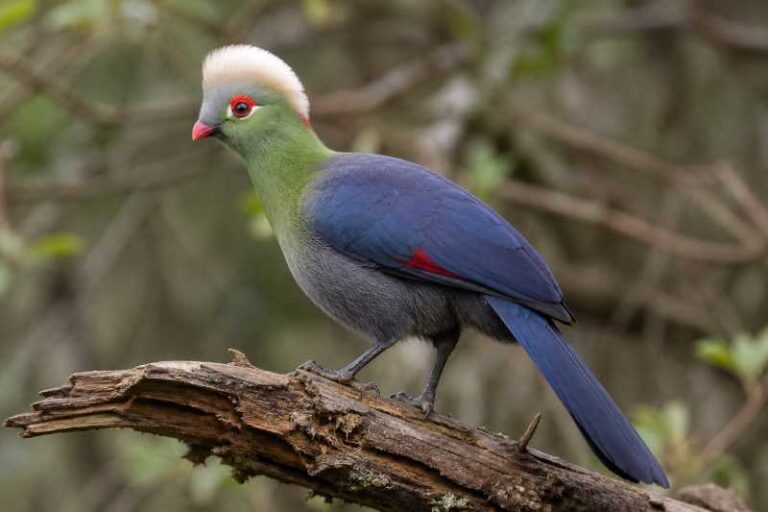
The Blue-throated Starfrontlet: A Jewel of the Andes
The Blue-throated Starfrontlet (Coeligena helianthea) is a striking member of the hummingbird family, Trochilidae, that captures the fascination of ornithologists and birdwatchers alike. Endemic to the Andean regions of Colombia and Venezuela, this bird is an exquisite example of nature’s artistry, with its iridescent plumage and agile flight. This article explores the unique characteristics, habitat, behavior, and conservation status of the Blue-throated Starfrontlet.
A Kaleidoscope of Color
The Blue-throated Starfrontlet is a medium-sized hummingbird, measuring approximately 12 to 13.5 centimeters in length. It is renowned for its dazzling appearance, which features a gleaming blue throat patch that gives the species its name. The male exhibits an iridescent blue-green crown and upperparts, while its underparts are a rich, dark green. The tail is a striking bronze color with a forked shape, adding to the bird’s elegant silhouette. The female, while less flamboyant, still boasts a subtle beauty with a more muted green plumage and a less pronounced throat patch.
This remarkable coloration is not merely for show. The iridescent plumage of the Blue-throated Starfrontlet plays a crucial role in mating displays and territorial defense. The vibrant colors are produced by the microscopic structure of the feathers, which refract and reflect light, creating the bird’s signature sparkle.
Habitat and Distribution
The Blue-throated Starfrontlet inhabits the cloud forests and subtropical or tropical moist montane forests of the northern Andes. These regions, characterized by high humidity and frequent mist, provide the perfect environment for the diverse flora that the Starfrontlet depends on for nectar. The bird is found at elevations ranging from 1,500 to 3,200 meters, where it thrives in the dense understory and at forest edges.
In Colombia and Venezuela, the Blue-throated Starfrontlet occupies a relatively restricted range. However, within these areas, it is considered fairly common. The bird’s presence is often an indicator of healthy, biodiverse ecosystems, making it an important species for ecological studies and conservation efforts in the Andes.
Behavior and Diet
As a member of the hummingbird family, the Blue-throated Starfrontlet exhibits the incredible agility and rapid flight that these birds are known for. Its wings beat at an astonishing rate, allowing it to hover in place as it feeds on nectar from a variety of flowering plants. The bird’s long, slender bill is perfectly adapted for accessing the deep corollas of Andean blooms.
The Blue-throated Starfrontlet is a solitary feeder, fiercely territorial around its chosen feeding grounds. It employs aerial acrobatics and vocalizations to ward off intruders. While nectar is its primary food source, the Starfrontlet also supplements its diet with small insects and spiders, which provide essential proteins and nutrients.
During the breeding season, the male engages in elaborate courtship displays, showcasing its iridescent plumage and vocal abilities to attract a mate. Once paired, the female takes on the responsibility of building the nest, incubating the eggs, and caring for the young. Nests are typically constructed from plant fibers and moss, cleverly camouflaged among the dense foliage.
Conservation and Challenges
Despite its relatively stable population, the Blue-throated Starfrontlet faces several challenges that could impact its future. Habitat loss due to deforestation, agricultural expansion, and climate change are significant threats to its montane forest environment. These factors can lead to fragmentation of its habitat, reducing food availability and nesting sites.
Conservation efforts are essential to safeguard the future of this species. Protecting and restoring its natural habitat is crucial, as is raising awareness about the importance of conserving Andean ecosystems. Birdwatching and ecotourism, when conducted responsibly, can also provide economic incentives for local communities to preserve the natural landscapes that the Blue-throated Starfrontlet calls home.
In conclusion, the Blue-throated Starfrontlet is a testament to the beauty and diversity of the natural world. Its vibrant colors and dynamic behavior make it a jewel of the Andes, while its ecological role underscores the importance of preserving its habitat. By understanding and appreciating this remarkable hummingbird, we can contribute to efforts that ensure its survival for generations to come.
Related posts