Introduction
The Brown-bellied Stipplethroat (Epinecrophylla gutturalis) is a fascinating bird species that continues to intrigue ornithologists and birdwatchers alike. Known for its distinctive call and unique habitat preferences, this bird is a vital component of the ecosystems it inhabits. This article delves into the various aspects of the Brown-bellied Stipplethroat, exploring its taxonomy, physical characteristics, behavior, habitat, and conservation status.
Taxonomy and Classification
The Brown-bellied Stipplethroat belongs to the Thamnophilidae family, which includes antbirds known for their insectivorous diet and association with ant swarms. The genus Epinecrophylla, to which it belongs, comprises small, often inconspicuous birds that thrive in the understory of tropical forests. Initially described by Sclater in 1857, this species has undergone several taxonomic revisions, reflecting the ongoing advancements in avian genetics and phylogenetics.
Physical Characteristics
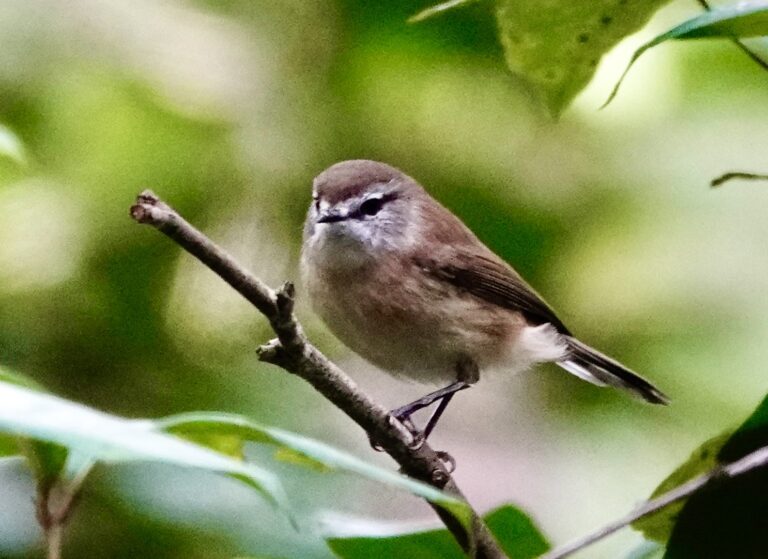
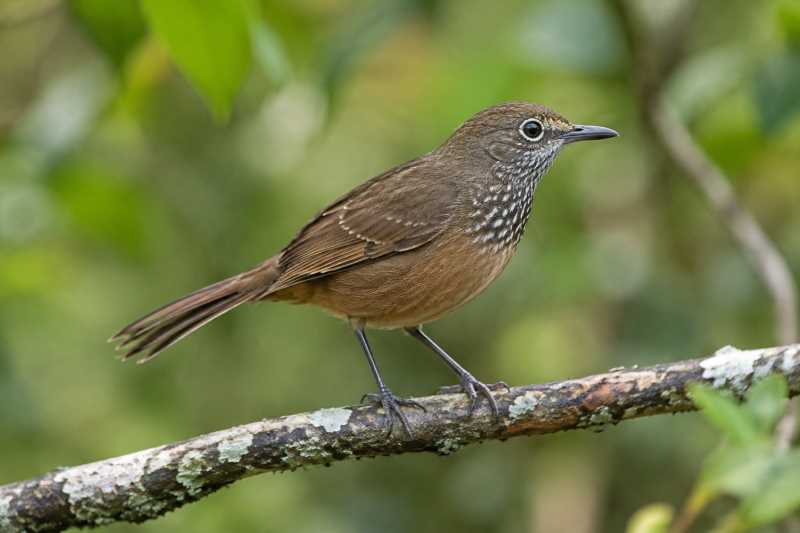
The Brown-bellied Stipplethroat is a small passerine bird, measuring approximately 10 to 12 centimeters in length. Its plumage is primarily characterized by a rich brown belly and a subtly streaked throat. The upperparts are generally a dull olive-brown, providing a perfect camouflage in its dense forest habitat. Both sexes exhibit similar plumage, although females may have a slightly duller appearance. The bird’s bill is short and stout, adapted to its insectivorous diet, and its eyes are dark, lending an intense expression to its visage.
Behavior and Diet
Epinecrophylla gutturalis is predominantly insectivorous, feeding on a variety of arthropods, including ants, beetles, and spiders. It is known for its foraging behavior, often seen hopping along branches or flitting through the understory in search of prey. The bird uses its keen eyesight and agility to capture insects, frequently joining mixed-species flocks, a common survival strategy among forest-dwelling birds.
The Brown-bellied Stipplethroat is also noted for its vocalizations, which play a crucial role in territory establishment and mate attraction. Its call is a series of high-pitched notes, often ending in a trill, serving as an auditory marker in the dense forest.
Habitat and Distribution
This species is predominantly found in the lowland rainforests of South America, with a range that includes countries like Brazil, Colombia, and Venezuela. The bird favors humid forest environments, thriving in areas with dense understory vegetation and ample leaf litter, which provides both food and cover. Its presence is often indicative of healthy forest ecosystems, as it relies on intact habitats to sustain its population.
Reproduction and Life Cycle
The breeding season of the Brown-bellied Stipplethroat coincides with the onset of the rainy season when food availability is at its peak. Nests are typically constructed close to the ground, hidden among dense foliage to protect against predators. The female lays two to three eggs, which are incubated over a period of approximately two weeks. Both parents participate in feeding the chicks, which fledge within three weeks of hatching.
Conservation Status
Currently, the Brown-bellied Stipplethroat is classified as ‘Least Concern’ by the International Union for Conservation of Nature (IUCN). However, its habitat is increasingly threatened by deforestation and land conversion for agriculture. Conservation efforts are essential to ensure the survival of this species, emphasizing the preservation of its forest habitats and the implementation of sustainable land management practices.
Conclusion
The Brown-bellied Stipplethroat is a remarkable example of the biodiversity found within tropical rainforests. Its ecological role as an insectivore, coupled with its unique behaviors and adaptations, underscores the importance of conserving its natural habitats. Continued research and conservation efforts are vital to protect this and other species that are integral to the health of tropical ecosystems.
References
- Ridgely, R. S., & Tudor, G. (1994). The Birds of South America. University of Texas Press.
- Zimmer, K. J., & Isler, M. L. (2003). The Behavior, Ecology and Evolution of Ant-following Birds. Yale University Press.
- BirdLife International. (2023). "Epinecrophylla gutturalis". The IUCN Red List of Threatened Species.
Related posts