Understanding the Green Imperial Pigeon: A Jewel of the Avian World
Introduction
The Green Imperial Pigeon (Ducula aenea) is a magnificent species that captures the imagination of ornithologists and bird enthusiasts alike. Known for its striking plumage and wide distribution across Southeast Asia, this bird plays a vital role in the ecosystems it inhabits. This article delves into the life, habitat, behaviors, and conservation status of the Green Imperial Pigeon, offering a comprehensive look at one of nature’s most fascinating avian species.
Taxonomy and Description
The Green Imperial Pigeon belongs to the Columbidae family, which includes other pigeons and doves. Its scientific name, Ducula aenea, reflects its majestic appearance. The species was first described by Giovanni Antonio Scopoli in 1786.
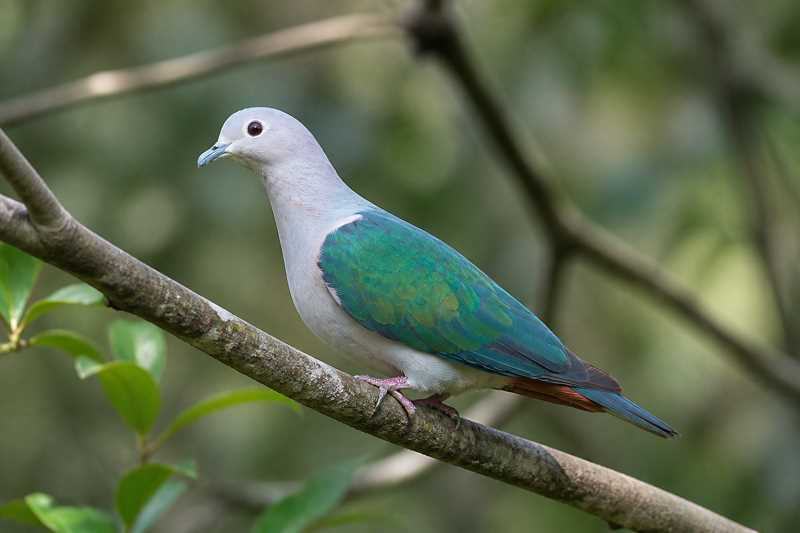
The bird is known for its elegant, metallic green plumage, which can appear iridescent under sunlight. This coloration provides excellent camouflage against the lush green foliage of its habitat. Adult Green Imperial Pigeons typically measure between 40 to 45 centimeters in length and weigh around 400 to 600 grams. They have a robust body, a relatively short tail, and long wings, making them adept fliers.
Habitat and Distribution
Green Imperial Pigeons are predominantly found in the tropical and subtropical forests of Southeast Asia, including countries such as India, Sri Lanka, Indonesia, and the Philippines. They are also present on various islands in the region, thriving in both coastal and inland forested areas.
These pigeons favor dense forests, mangroves, and wooded areas close to water bodies. Their adaptability allows them to inhabit secondary forests and plantations, although they prefer undisturbed habitats with abundant fruiting trees.
Behavior and Diet
The Green Imperial Pigeon is primarily frugivorous, feeding on a wide variety of fruits and berries. Figs and other soft fruits make up the bulk of their diet. Occasionally, they may also consume seeds and small invertebrates. Their feeding habits play a critical role in seed dispersal, contributing to forest regeneration and biodiversity.
These birds are generally seen in pairs or small flocks, especially during the breeding season. They are known for their strong and direct flight, often gliding between trees with grace. Their calls are deep and resonant, consisting of a series of cooing sounds that can be heard echoing through the forest canopy.
Reproduction and Lifespan
Breeding season for the Green Imperial Pigeon varies depending on the geographical location. In general, breeding occurs during the wet season when food resources are plentiful. The species is monogamous, with pairs often staying together for several breeding seasons.
Nesting usually takes place high in the trees, with both parents participating in the building of the nest. The female typically lays a single white egg, which both parents incubate for about 20 to 24 days. After hatching, the chick is cared for by both parents and fledges after approximately three weeks.
In the wild, these pigeons can live up to 15 years, although lifespan can be shorter due to predation and habitat loss.
Conservation Status
As of the latest assessments, the Green Imperial Pigeon is listed as Least Concern on the IUCN Red List. However, like many forest-dependent species, it faces threats from habitat destruction and fragmentation due to logging, agriculture, and urban expansion.
Conservation efforts are crucial to preserving its habitats, particularly in areas where rapid deforestation is occurring. Protected areas and national parks play a vital role in ensuring the survival of this species, alongside community-based conservation initiatives aimed at sustainable land use.
Importance in Ecosystems
The ecological role of the Green Imperial Pigeon extends beyond seed dispersal. As an integral part of the forest ecosystem, it contributes to the maintenance of forest structure and diversity. Its presence indicates a healthy, functioning ecosystem.
Moreover, the Green Imperial Pigeon holds cultural significance in various regions. It is often featured in local folklore and art, symbolizing peace and harmony due to its gentle nature and striking appearance.
Conclusion
The Green Imperial Pigeon, with its captivating beauty and ecological importance, represents a significant component of the avian world. Understanding and protecting this species is essential not only for biodiversity but also for the health of the ecosystems it supports. Continued research and conservation efforts will ensure that future generations can enjoy the sight and sound of these magnificent birds in their natural habitats.
By appreciating the Green Imperial Pigeon, we take a step towards valuing the intricate web of life that sustains our planet.
References
- BirdLife International. (2021). "Ducula aenea". IUCN Red List of Threatened Species.
- Gibbs, D., Barnes, E., & Cox, J. (2001). "Pigeons and Doves: A Guide to the Pigeons and Doves of the World". Pica Press.
- Collar, N. J., & Boesman, P. (2016). "Green Imperial Pigeon (Ducula aenea)". Handbook of the Birds of the World Alive.
- del Hoyo, J., Elliott, A., & Sargatal, J. (1997). "Handbook of the Birds of the World". Vol. 4.
Related posts