Introduction
McIntyre’s Horseshoe Bat, scientifically known as Rhinolophus mcintyrei, is a fascinating species of horseshoe bat that has captured the attention of researchers and bat enthusiasts alike. This unique mammal is part of the Rhinolophidae family, which is characterized by their distinctive horseshoe-shaped noseleaf—a key adaptation aiding their echolocation abilities. Due to their elusive nature, much about McIntyre’s Horseshoe Bat remains a mystery, but recent studies have begun to shed light on their unique behavioral patterns, habitat preferences, and conservation needs.
Physical Description
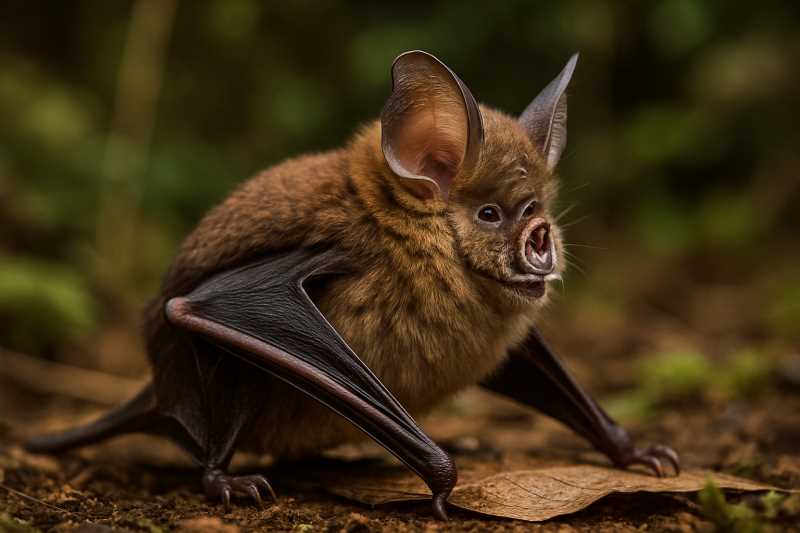
McIntyre’s Horseshoe Bat exhibits a range of fascinating physical features that distinguish it from other bat species. Adult bats typically have a body length ranging from 4 to 6 centimeters, with a wingspan that extends between 20 to 25 centimeters. The bat’s fur is generally a dusky brown, providing effective camouflage against the cave environments and forested regions it inhabits. The most striking feature of the McIntyre’s Horseshoe Bat is its noseleaf, a horseshoe-shaped structure that is crucial for its echolocation capabilities. This noseleaf is complex in structure, with various folds and ridges that help in directing the bat’s high-frequency calls. Additionally, the ears of these bats are large and highly sensitive, allowing them to detect the faintest of echoes as they navigate and hunt in complete darkness.
Range and Habitat
McIntyre’s Horseshoe Bat is predominantly found in the subtropical and tropical regions of Southeast Asia. Its range includes several countries such as Thailand, Malaysia, and parts of Indonesia. The species shows a preference for limestone caves, which provide an ideal roosting environment due to their stable microclimates and protection from predators. Outside of caves, these bats are often found in dense forested areas where they can forage for insects. The availability of suitable roosting and foraging habitats is crucial for the survival of McIntyre’s Horseshoe Bat, and habitat loss poses a significant threat to its population.
Behavior and Diet
The nocturnal habits of McIntyre’s Horseshoe Bat allow it to exploit the night skies with minimal competition from diurnal species. As a highly specialized insectivore, its diet primarily consists of small flying insects such as moths, beetles, and flies. The bat employs an advanced form of echolocation to hunt, emitting high-frequency calls that bounce off objects and return echoes that the bat interprets to locate and capture prey. McIntyre’s Horseshoe Bat is a solitary creature, though it is not uncommon for individuals to form small colonies during the breeding season to increase reproductive success. These bats are known for their remarkable agility in flight, which aids them in capturing prey mid-air.
Identification Tips (Field Recognition Cues)
Identifying McIntyre’s Horseshoe Bat in the field requires a keen eye and familiarity with its distinguishing features. Observers should look for:
- Size and Color: A small bat with a wingspan of 20-25 cm and dusky brown fur.
- Noseleaf Structure: The prominent horseshoe-shaped noseleaf is a definitive feature.
- Echolocation Calls: If equipped with a bat detector, listen for high-frequency calls distinct to Rhinolophus species.
- Roosting Habits: Look for bats roosting in limestone caves or forested areas during the day.
Conservation Status (With Threats and Protections)
Currently, McIntyre’s Horseshoe Bat is classified as Near Threatened on the IUCN Red List, reflecting concerns over its declining population. The primary threats to this species include habitat destruction due to deforestation and cave disturbance, often caused by human activities such as mining and tourism. Additionally, climate change poses a long-term threat by altering the bat’s habitat. Conservation efforts are underway to protect McIntyre’s Horseshoe Bat, focusing on habitat preservation and the establishment of protected areas. Public awareness campaigns aim to reduce human disturbances in critical habitats, ensuring these bats have a secure environment to thrive.
Frequently Asked Questions
1. What is the primary diet of McIntyre’s Horseshoe Bat?
McIntyre’s Horseshoe Bat primarily feeds on small flying insects, including moths, beetles, and flies. It uses echolocation to detect and capture its prey in mid-air during nocturnal foraging expeditions.
2. Where can McIntyre’s Horseshoe Bat be found?
This bat species is predominantly found in Southeast Asia, within countries like Thailand, Malaysia, and Indonesia. It prefers limestone caves and dense forests as its primary habitats.
3. How does McIntyre’s Horseshoe Bat navigate in the dark?
McIntyre’s Horseshoe Bat uses echolocation to navigate in complete darkness. It emits high-frequency sound waves through its noseleaf, which bounce off objects and return echoes that the bat interprets to understand its environment.
4. What are the conservation efforts in place for McIntyre’s Horseshoe Bat?
Conservation efforts include habitat preservation, establishment of protected areas, and public awareness campaigns to reduce human-induced disturbances in critical habitats. These efforts aim to stabilize and increase the bat’s population.
5. What are the threats to McIntyre’s Horseshoe Bat?
The main threats include habitat destruction from deforestation and cave disturbances, as well as the long-term impacts of climate change. Protecting their natural habitats is crucial for their survival.
Related posts