Malaysian Mole (Euroscaptor malayanus): A Comprehensive Overview
Introduction
The Malaysian Mole, scientifically known as Euroscaptor malayanus, is a fascinating yet elusive mammal native to Southeast Asia. As a member of the Talpidae family, these creatures are integral to their ecosystem, playing a crucial role in soil aeration and pest control. Despite their importance, they remain relatively understudied, primarily due to their subterranean lifestyle and the challenging terrain they inhabit. This article delves into the various aspects of the Malaysian Mole, from its physical characteristics and habitat to its behavior and conservation status.
Physical Description
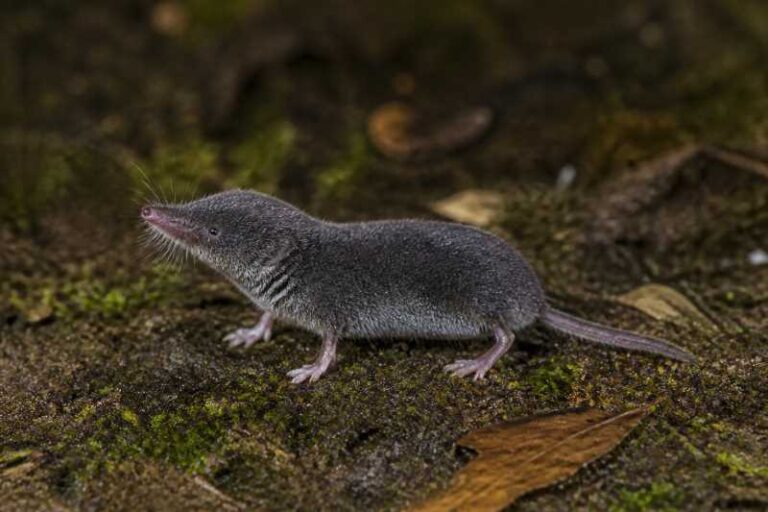
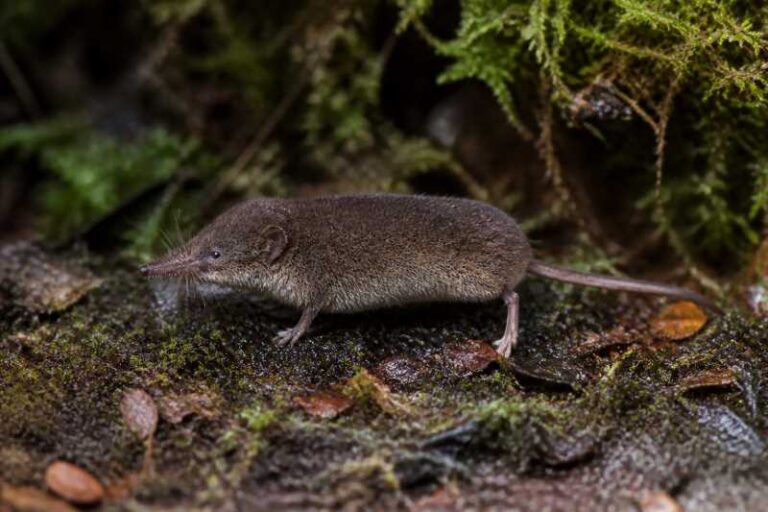
The Malaysian Mole is a small, burrowing mammal distinguished by its specialized adaptations for a life spent mostly underground. It typically measures between 12 to 15 centimeters in length, with males generally being slightly larger than females. The mole’s body is cylindrical and robust, covered in dense, velvety fur that ranges from dark gray to brown, which aids in minimizing friction as it moves through soil.
One of the most distinctive features of the Malaysian Mole is its powerful forelimbs, equipped with large, spade-like claws perfect for digging. These claws are essential for excavating tunnels and searching for food. Its eyes are small and covered by skin, rendering it virtually blind, which is a common trait among mole species. Instead, the Malaysian Mole relies heavily on its acute sense of touch and smell to navigate its environment and locate prey.
Range and Habitat
The Malaysian Mole is predominantly found in the tropical and subtropical forests of Malaysia, extending into parts of Thailand and Indonesia. Its preferred habitat includes moist, well-drained soil, which is abundant in the region’s forested areas. This environment not only facilitates easy digging but also supports a rich diversity of invertebrates, which constitute the mole’s primary diet.
These moles are highly adapted to a subterranean lifestyle, often residing in complex tunnel systems that can span several meters underground. These burrows provide shelter from predators and harsh weather conditions, as well as a stable microclimate for rearing young and storing food.
Behavior and Diet
Malaysian Moles are solitary creatures, coming together only during the breeding season. They are primarily nocturnal, emerging from their burrows under the cover of darkness to forage for food. Their diet mainly consists of earthworms, insects, and other small invertebrates, which they locate using their highly sensitive snout.
The Malaysian Mole’s hunting technique is both fascinating and efficient. It uses its powerful forelimbs to tunnel through the soil, creating networks of pathways that effectively increase its chances of encountering prey. Once an invertebrate is detected, the mole swiftly captures it with its sharp claws and consumes it on the spot.
Identification Tips (Field Recognition Cues)
Identifying the Malaysian Mole in the wild can be quite challenging due to its secretive nature and subterranean habits. However, several field recognition cues can aid in identification:
- Burrow Entrances: Look for small, conical mounds of soil, which are indicative of mole activity. These are typically found in forested areas with soft soil.
- Distinctive Claw Marks: Moles leave behind unique claw marks on the walls of their tunnels, visible upon close inspection.
- Fur Texture: If sighted above ground, the mole’s velvety fur and cylindrical body are key identifiers.
Conservation Status (With Threats and Protections)
The Malaysian Mole is currently classified as "Data Deficient" by the International Union for Conservation of Nature (IUCN), primarily due to a lack of comprehensive studies on its population and distribution. However, several threats have been identified that could potentially impact its survival.
Threats
- Habitat Destruction: Deforestation and land conversion for agriculture pose significant threats to the mole’s habitat, leading to fragmentation and loss of suitable living conditions.
- Pesticide Use: The widespread use of pesticides in agriculture can reduce the availability of invertebrates, which are crucial for the mole’s diet.
- Climate Change: Alterations in rainfall patterns and temperature could affect soil conditions, impacting the mole’s ability to construct burrows and find food.
Protections
Efforts to conserve the Malaysian Mole should focus on protecting its natural habitat through sustainable forestry practices and the establishment of protected areas. Additionally, promoting organic farming and reducing pesticide use can help maintain a healthy ecosystem that supports a diverse range of invertebrates.
Frequently Asked Questions
- What is the typical lifespan of a Malaysian Mole?
The Malaysian Mole has an average lifespan of 3 to 4 years in the wild. However, this can vary based on environmental conditions and predation pressure.
- How do Malaysian Moles contribute to their ecosystem?
Malaysian Moles play a vital role in soil aeration, which enhances soil fertility. Their burrowing activity also aids in pest control by reducing the population of harmful insects.
- Are Malaysian Moles dangerous to humans?
No, Malaysian Moles are not dangerous to humans. They are shy, elusive creatures that prefer to avoid contact with people. Their primary interaction with human environments is through their burrowing activity, which can sometimes disturb gardens or lawns.
- How can I help in the conservation of Malaysian Moles?
You can contribute to the conservation of Malaysian Moles by supporting organizations dedicated to habitat preservation and advocating for sustainable forestry and agriculture practices. Reducing pesticide use in your own gardening efforts can also help maintain a healthy ecosystem for these moles.
- What adaptations allow Malaysian Moles to live underground?
Malaysian Moles have several adaptations for underground living, including powerful forelimbs with large claws for digging, a cylindrical body shape to navigate tunnels, and a highly developed sense of smell and touch to compensate for their poor eyesight.
Related posts