Introduction
The Levant Mole (Talpa levantis) is a fascinating and often overlooked mammal that plays a crucial role in its ecosystem. Found primarily in the Levant region, this subterranean species is well-adapted to life underground. Despite its small size and elusive nature, the Levant Mole has garnered scientific interest due to its unique adaptations and ecological importance. In this comprehensive article, we will explore the physical characteristics, habitat, behavior, and conservation status of the Levant Mole, as well as provide tips for identifying this elusive creature in the wild.
Physical Description
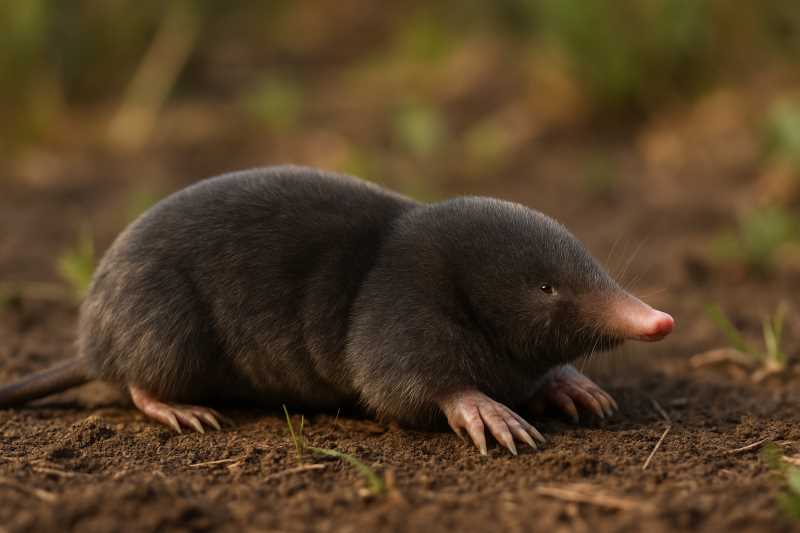
The Levant Mole is a small, burrowing mammal, typically measuring between 11 to 13 centimeters in length, with a short, robust body and a velvety fur coat. Its fur is dark gray to black, providing excellent camouflage in its underground environment. The mole’s eyes are reduced and covered with skin, a common adaptation among subterranean mammals, reflecting its reliance on other senses over vision. The forelimbs are particularly noteworthy, equipped with large, spade-like claws designed for digging through soil. These forelimbs are highly muscular, allowing the mole to excavate extensive tunnel systems efficiently.
The head of the Levant Mole is conical, with a pointed snout that aids in navigating through narrow tunnels. Its sense of smell is highly developed, assisting in locating prey and navigating its subterranean realm. The ears are not externally visible but are capable of detecting low-frequency sounds and vibrations, which are crucial for survival in the dark, underground world.
Range and Habitat
The Levant Mole is primarily found in the Levant region, encompassing parts of the eastern Mediterranean, including Turkey, Syria, Lebanon, and Israel. It favors temperate deciduous forests, grasslands, and agricultural lands where the soil is loose and easy to tunnel through. The mole’s habitat selection is closely linked to soil type and moisture levels, as these factors significantly affect its ability to dig and find food.
In areas where the Levant Mole is present, its tunnels can be extensive, often covering several hundred square meters. These underground networks include both shallow feeding tunnels and deeper nesting chambers. The mole’s presence is typically indicated by small mounds of earth on the surface, known as molehills, which are the result of excavated soil being pushed up as the mole digs.
Behavior and Diet
Levant Moles are solitary animals with a largely nocturnal lifestyle, although they may also be active during the day in undisturbed habitats. Their behavior is characterized by continuous digging and foraging for food. The primary diet of the Levant Mole consists of earthworms, which they locate using their acute sense of smell and touch. They also consume other small invertebrates such as insects, larvae, and occasionally plant matter.
Moles are known for their voracious appetites, and the Levant Mole is no exception. They must consume a large amount of food relative to their body size to maintain their energy levels, as digging requires significant exertion. In addition to foraging, Levant Moles engage in territorial behaviors, often defending their tunnels from intruders. Communication is largely through tactile and chemical signals, given their reduced reliance on visual cues.
Identification Tips (Field Recognition Cues)
Identifying a Levant Mole in the wild can be challenging due to their subterranean nature and elusive behavior. However, certain field recognition cues can aid in their identification:
- Molehills: Look for small, conical mounds of earth on the surface, which indicate the presence of a mole’s underground activities.
- Burrow Entrances: In areas with loose soil, you may spot small openings that serve as entrances to the mole’s tunnel system.
- Soil Texture: Areas with fine, loose soil are more likely to harbor moles, as this soil type is easier for digging.
- Scent and Sound: While direct observation is rare, staying still and listening for digging sounds or detecting the faint, earthy smell of freshly turned soil can suggest mole activity.
Conservation Status (With Threats and Protections)
The Levant Mole is currently classified as a species of ‘Least Concern’ on the IUCN Red List, indicating that it is not at immediate risk of extinction. However, this status does not mean the species is free from threats. Habitat destruction, particularly due to agricultural expansion and urban development, poses significant risks to mole populations. Additionally, the use of pesticides and other chemicals in agriculture can negatively impact the mole’s food supply and overall health.
Conservation efforts for the Levant Mole focus primarily on habitat preservation and minimizing chemical use in agriculture. Protected areas and wildlife reserves play a crucial role in safeguarding the mole’s natural habitats. Public awareness and education programs are also essential in promoting coexistence with these beneficial creatures, which contribute to soil aeration and pest control.
Frequently Asked Questions
1. What adaptations help the Levant Mole live underground?
The Levant Mole has several adaptations for subterranean life, including reduced eyes covered by skin, large spade-like forelimbs for digging, and a highly developed sense of smell and touch, which help it navigate and locate prey in the dark.
2. How does the Levant Mole contribute to its ecosystem?
Levant Moles play a significant role in soil health by aerating the ground through their digging activities. This process improves soil structure, enhances nutrient cycling, and aids in pest control by consuming harmful insects.
3. Can Levant Moles be found in urban areas?
While Levant Moles typically prefer rural habitats with loose soil, they may occasionally be found in urban areas where suitable conditions exist, such as parks or gardens with minimal human disturbance.
4. What are the main threats to the Levant Mole?
The primary threats to the Levant Mole include habitat destruction due to agriculture and urbanization, as well as the use of pesticides that can harm their food sources.
5. How can humans help protect the Levant Mole?
Humans can help protect the Levant Mole by supporting conservation efforts that focus on habitat preservation, reducing pesticide use, and promoting awareness about the ecological benefits moles provide.
Related posts