The Brown Shrike: An Avian Nomad of Remarkable Adaptability
The Brown Shrike (Lanius cristatus) is a fascinating bird that captivates ornithologists and bird watchers with its distinct behavior and remarkable adaptability. Found across a wide geographical range, this avian species is not only a marvel of nature in terms of its migratory patterns but also an intriguing study subject due to its unique predatory habits and ecological significance.
Taxonomy and Physical Characteristics
Belonging to the family Laniidae, the Brown Shrike is closely related to other shrikes, known for their penchant for impaling prey on thorns and barbed wire—a behavior that has earned them the nickname ‘butcher birds.’ The scientific name Lanius cristatus aptly captures its essence, with ‘Lanius’ meaning butcher in Latin.
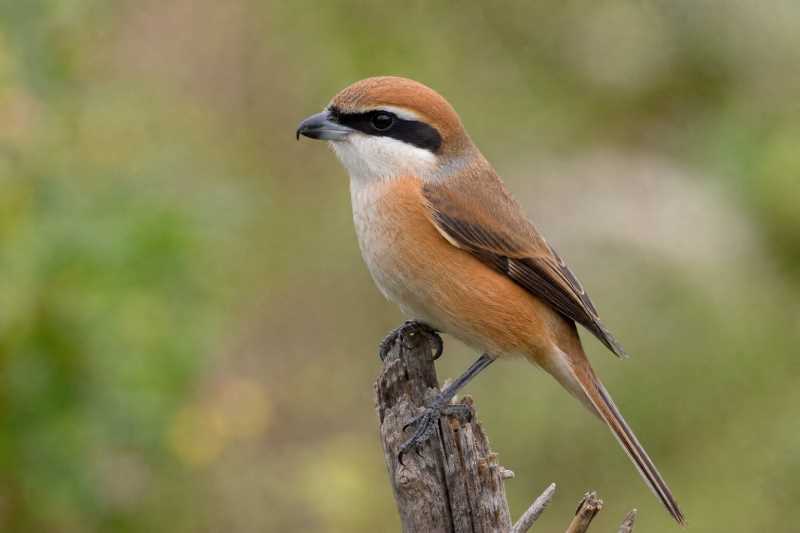
Adult Brown Shrikes measure approximately 18 to 20 centimeters in length, with a wingspan of around 23 to 25 centimeters. Their plumage is predominantly brown with a pale, creamy underbelly, which provides excellent camouflage against the branches and foliage of their habitats. A distinctive black mask across their eyes, reminiscent of a bandit’s mask, adds to their visual intrigue. The tail is long and rounded, and their beak is hook-tipped, an adaptation that serves their predatory lifestyle.
Distribution and Habitat
The Brown Shrike inhabits a vast expanse of territory, ranging from Central and Eastern Asia to Southeast Asia, with migratory patterns extending to the Indian subcontinent and parts of the Middle East. During the breeding season, they are commonly found in temperate regions of Siberia, Mongolia, and northern China. As winter approaches, they migrate to warmer climates, including India, the Philippines, and Indonesia, showcasing their incredible adaptability to diverse ecosystems.
These birds prefer open habitats such as scrublands, grasslands, and agricultural areas, where they can easily spot and capture prey. Their adaptability to various environments is a testament to their resilience and evolutionary success.
Behavior and Diet
One of the most intriguing aspects of the Brown Shrike is its feeding behavior. They are opportunistic hunters, feeding on a variety of prey including insects, small mammals, and birds. Their predatory nature is characterized by the unique habit of impaling prey on thorns or barbed wire, which not only aids in consumption but also serves as a food storage method for later use.
Shrikes are known for their sit-and-wait hunting strategy. Perched atop a vantage point, they vigilantly scan their surroundings for potential prey. Once a target is identified, they swoop down with remarkable precision to capture it. This behavior is not only a survival strategy but also an essential ecological mechanism that helps control insect populations.
Reproduction and Life Cycle
The breeding season for Brown Shrikes typically occurs from May to July. During this time, males engage in elaborate courtship displays to attract females, which include song and aerial displays. Once a pair bond is formed, the female constructs a nest—a neat cup-shaped structure made of twigs, grass, and other plant materials, usually placed in a thorny bush or tree.
The female lays a clutch of 3 to 6 eggs, which she incubates for about two weeks. Both parents participate in feeding and caring for the chicks, which fledge approximately two weeks after hatching. The family unit remains together for a short period before the juveniles become independent, ready to embark on their migratory journey.
Conservation Status and Threats
While the Brown Shrike is currently classified as “Least Concern” by the International Union for Conservation of Nature (IUCN), it faces several threats that could impact its population in the future. Habitat loss due to agricultural expansion, urbanization, and deforestation poses a significant risk to their natural habitats. Additionally, climate change could alter their migratory patterns and affect the availability of food resources.
Conservation efforts aimed at preserving natural habitats and mitigating the effects of climate change are crucial to ensuring the continued survival of this species. Public awareness and research initiatives are equally important to enhance our understanding of these birds and implement effective conservation strategies.
Conclusion
The Brown Shrike is a remarkable example of nature’s adaptability and resilience. Its unique characteristics, fascinating behavior, and extensive migratory patterns make it a subject of great interest to bird enthusiasts and researchers alike. As we continue to study and understand this intriguing species, it is imperative that we also take steps to preserve its habitats and ensure that future generations can marvel at the intriguing world of the Brown Shrike.
In a rapidly changing world, the story of the Brown Shrike serves as a reminder of the delicate balance within ecosystems and the need for concerted efforts to protect the natural world.
Related posts