Introduction
The Chilean Long-clawed Mouse, scientifically known as Chelemys megalonyx, is a fascinating rodent native to South America. As a member of the Cricetidae family, this species is particularly renowned for its distinct physical features and behaviors. Despite its relatively obscure status in the mammalian world, the Chilean Long-clawed Mouse plays a significant role in its ecosystem. Understanding its characteristics, habitat, and conservation status is crucial for appreciating the biodiversity of the regions it inhabits.
Physical Description
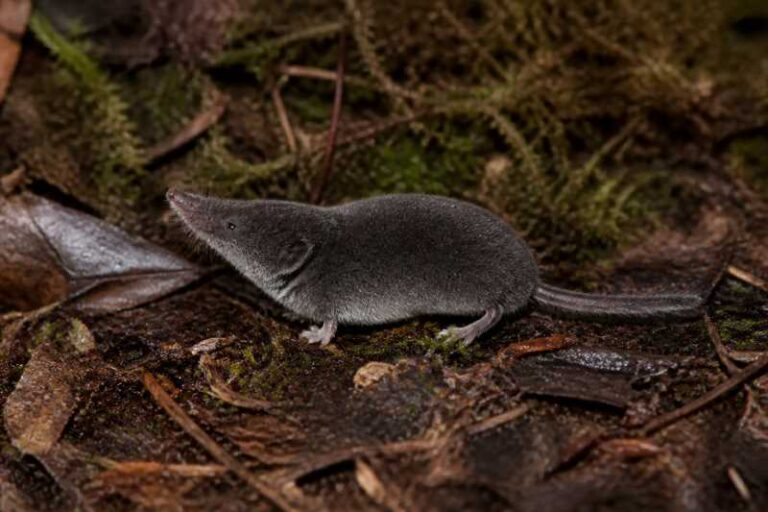
The Chilean Long-clawed Mouse is aptly named for its remarkable elongated claws, which distinguish it from other rodents. These claws are not only a defining characteristic but also serve functional purposes, aiding the mouse in its burrowing and climbing activities. On average, this species measures about 15 to 18 cm in length, including its tail, which accounts for roughly half of its total body length.
The fur of the Chilean Long-clawed Mouse is typically a dark brown to grayish hue, providing excellent camouflage against the forest floor and rocky terrains of its natural habitat. Its underbelly is often lighter, ranging from pale gray to cream. The mouse possesses relatively large ears and eyes, adaptations that enhance its hearing and night vision, critical for its nocturnal lifestyle.
Range and Habitat
This rodent species is endemic to Chile, primarily inhabiting the temperate forests and scrublands of the region. The Chilean Long-clawed Mouse is most commonly found in the coastal and Andean areas, where it thrives in dense undergrowth and rocky outcrops. These environments provide ample cover and resources, enabling the mouse to forage and evade predators effectively.
The mouse’s preference for temperate forests means it is often associated with areas rich in biodiversity. Such habitats are characterized by a variety of plant species, which offer both food and shelter. The availability of fallen logs and leaf litter is crucial for the species as it uses these materials for nesting and protection.
Behavior and Diet
The Chilean Long-clawed Mouse is primarily nocturnal, spending the daylight hours hidden in burrows or nests constructed from leaves and grass. At night, it emerges to forage for food. Its diet is omnivorous, comprising seeds, fruits, insects, and small invertebrates. The mouse’s foraging behavior plays an integral role in seed dispersal, contributing to the ecological health of its habitat.
Socially, the Chilean Long-clawed Mouse is relatively solitary, with individuals coming together primarily for mating. Breeding occurs seasonally, with females giving birth to small litters of two to four offspring. The young are weaned after a few weeks, swiftly becoming independent.
Identification Tips
Field recognition of the Chilean Long-clawed Mouse can be challenging due to its elusive nature and nocturnal habits. However, certain features can aid in its identification:
- Distinctive Claws: Look for the notably long claws, which are used for burrowing and climbing.
- Fur Coloration: The mouse’s dark brown to grayish fur with a lighter underbelly is a key trait.
- Body Size: Its moderate size, with a total length of 15 to 18 cm including the tail, helps distinguish it from smaller rodents.
- Habitat: Observing the environment can provide clues—this species is typically found in dense undergrowth within temperate forests.
Conservation Status
Currently, the Chilean Long-clawed Mouse is not listed as endangered, but it faces several threats that could impact its population. Habitat destruction, primarily due to deforestation and agricultural expansion, poses a significant risk. Additionally, climate change may alter the ecosystems on which this species depends.
Conservation efforts are crucial to ensure the survival of the Chilean Long-clawed Mouse. Protective measures include habitat preservation and restoration, as well as research into the species’ ecology and distribution. Public awareness and education campaigns can also foster community support for conservation initiatives.
Frequently Asked Questions
1. What is the Chilean Long-clawed Mouse’s primary diet?
The Chilean Long-clawed Mouse is omnivorous, feeding on a variety of seeds, fruits, insects, and small invertebrates. This diverse diet helps it adapt to different environmental conditions.
2. How does the Chilean Long-clawed Mouse contribute to its ecosystem?
This species plays a role in seed dispersal, which aids in plant propagation and contributes to the health and diversity of its ecosystem. Its foraging activities also help control insect populations.
3. What are the main threats to the Chilean Long-clawed Mouse?
The primary threats include habitat destruction due to deforestation and agricultural activities, as well as potential impacts from climate change. Conservation efforts are needed to mitigate these threats and preserve the species.
Related posts