The Mauritius Cuckooshrike: An Avian Gem of the Indian Ocean
The Mauritius cuckooshrike, scientifically known as Lalage typica, is a captivating bird species endemic to the island of Mauritius. As a member of the cuckooshrike family, Campephagidae, this unique bird plays a significant role in the island’s delicate ecosystem. In this article, we delve into the biology, habitat, conservation status, and the ecological importance of this remarkable species.
Biological Characteristics
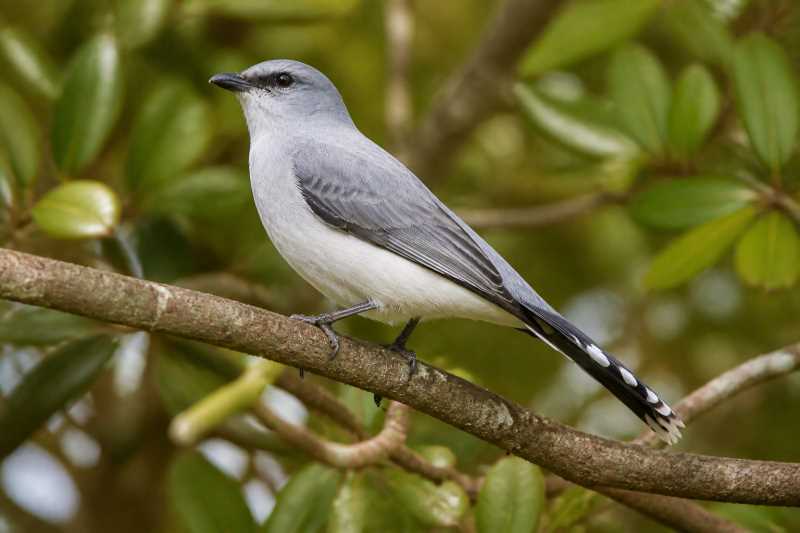
The Mauritius cuckooshrike is a medium-sized bird, measuring approximately 20 centimeters in length. It possesses a distinctive plumage that sets it apart from other birds in its habitat. The males are characterized by their striking black and white coloration, with a glossy black head, back, and wings contrasted by a white belly and underparts. Females, on the other hand, are slightly duller with a greyish tone replacing the black, a common trait among sexually dimorphic bird species.
This bird’s robust beak and strong legs are adapted for its insectivorous diet. Feeding primarily on insects, the Mauritius cuckooshrike plays a crucial role in controlling insect populations within its ecosystem. Its diet also includes small fruits and berries, aiding in seed dispersal and contributing to the biodiversity of its habitat.
Habitat and Distribution
The Mauritius cuckooshrike is found exclusively on the island of Mauritius, located in the Indian Ocean, east of Madagascar. The bird thrives in the island’s subtropical and tropical moist lowland forests and, to a lesser extent, in the subtropical and tropical moist montane forests. These forests provide the necessary resources for feeding, breeding, and shelter.
Habitat degradation poses a significant threat to the Mauritius cuckooshrike. The expansion of agricultural activities, urban development, and the introduction of invasive species have led to the loss of forest areas, severely impacting the bird’s natural habitat. Conservation efforts are crucial to preserving these vital forest ecosystems and ensuring the survival of this endemic species.
Conservation Status
The Mauritius cuckooshrike is currently classified as "Endangered" on the IUCN Red List of Threatened Species. Its population is estimated to be fewer than 1,000 mature individuals, and it continues to face threats from habitat destruction, invasive species, and climate change.
Efforts to conserve the Mauritius cuckooshrike are underway, with several organizations working towards habitat restoration and protection. The Black River Gorges National Park, a protected area on the island, serves as a crucial refuge for the species. Conservationists are also engaged in breeding programs and initiatives to control invasive species that threaten the cuckooshrike’s habitat.
Ecological Importance
The ecological role of the Mauritius cuckooshrike extends beyond its insectivorous diet. By preying on various insect species, it helps maintain a balance in the ecosystem, preventing the overpopulation of pests that could harm the flora and fauna of the island. Additionally, as a frugivore, the cuckooshrike contributes to the dispersal of seeds, facilitating the growth and regeneration of native plant species.
The bird’s presence also serves as an indicator of forest health. A stable or increasing population of Mauritius cuckooshrikes suggests a healthy, well-preserved habitat, which in turn supports a diverse range of other species, both flora and fauna.
The Future of the Mauritius Cuckooshrike
The future of the Mauritius cuckooshrike depends heavily on continued conservation efforts. Raising awareness about the plight of this unique bird and its habitat is essential. Engaging local communities in conservation initiatives can foster a shared responsibility for preserving the island’s natural heritage.
Sustainable development practices that incorporate environmental considerations can mitigate the impact of human activities on the cuckooshrike’s habitat. Additionally, strengthening legal frameworks to protect critical habitats and enforce conservation measures is vital.
In conclusion, the Mauritius cuckooshrike is a testament to the unique biodiversity of Mauritius. Protecting this bird and its habitat is not only crucial for its survival but also for maintaining the ecological balance of the island. Through dedicated conservation efforts and increased awareness, there is hope for the continued existence of this remarkable avian species, allowing future generations to appreciate the natural wonders of Mauritius.
Related posts