Introduction
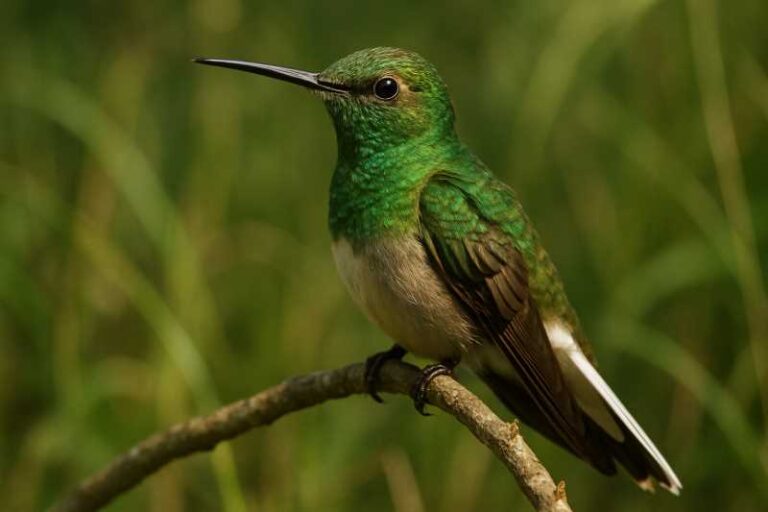
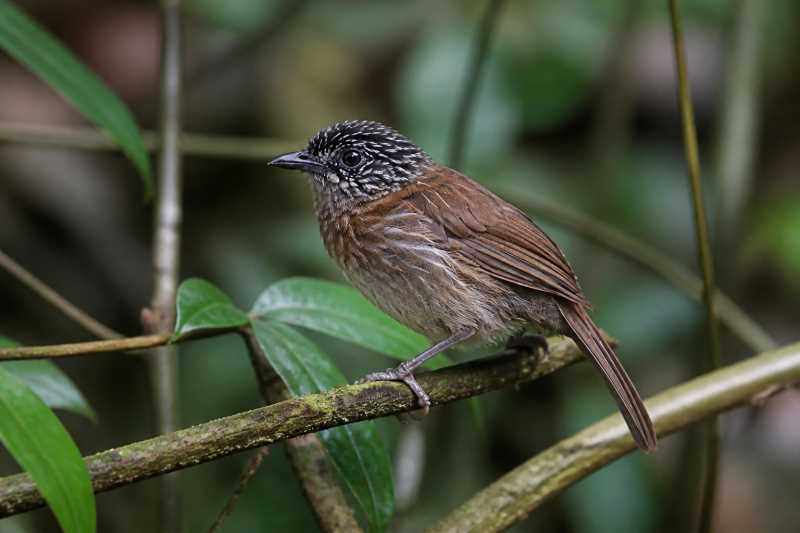
The Mindanao Pygmy Babbler, scientifically known as Dasycrotapha plateni, is a remarkable songbird species endemic to the lush, tropical rainforests of Mindanao, an island in the southern Philippines. This avian gem is a member of the family Zosteropidae and is renowned for its diminutive size and vibrant plumage. Despite its relatively small stature, the Mindanao Pygmy Babbler plays a crucial role in the ecosystem, making it a species of considerable interest to ornithologists and conservationists alike.
Physical Description
The Mindanao Pygmy Babbler is a tiny bird, measuring approximately 12 centimeters in length. It boasts a striking appearance with a combination of bright and subtle colors. Its upperparts are primarily olive-brown, providing excellent camouflage among the dense foliage. The underparts are a contrasting bright yellow, which makes it a visual delight when spotted. The bird’s head features a distinctive black crown and a white throat, with a conspicuous eye-ring that adds to its charm.
Habitat and Distribution
This species is exclusively found on the island of Mindanao, where it inhabits lowland and mid-montane forests. It thrives in primary and secondary growth forests, often venturing into forest edges and nearby plantations. The Mindanao Pygmy Babbler prefers lower elevation areas, typically ranging from sea level up to 1,500 meters, where it can find ample food sources and suitable nesting sites.
Behavior and Ecology
The Mindanao Pygmy Babbler is a highly social species, often seen foraging in small flocks. It is an active forager, constantly on the move in search of insects, spiders, and small fruits. This bird plays a vital role in controlling insect populations, thus contributing to the ecological balance of its habitat.
Vocal communication is an essential aspect of the Mindanao Pygmy Babbler’s behavior. It has a repertoire of melodious calls and songs that it uses to communicate with other members of its flock. These vocalizations are also instrumental during breeding seasons, as they aid in attracting mates and defending territories.
Breeding and Nesting
The breeding season of the Mindanao Pygmy Babbler typically coincides with the onset of the rainy season, when food resources are abundant. The species is monogamous, with pairs forming long-lasting bonds. Nests are usually constructed in dense foliage, providing protection from predators and harsh weather conditions.
The female lays a clutch of two to three eggs, which are incubated by both parents. The cooperative breeding strategy extends to the care of the chicks, with both parents taking turns in feeding and protecting their young. This cooperative behavior enhances the survival rate of the offspring.
Conservation Status
The Mindanao Pygmy Babbler is currently classified as "Near Threatened" by the International Union for Conservation of Nature (IUCN). The primary threat to this species is habitat loss due to deforestation, driven by logging, agricultural expansion, and urban development. As the forests of Mindanao continue to shrink, the survival of this unique bird hangs in the balance.
Conservation efforts are underway to protect the remaining habitats of the Mindanao Pygmy Babbler. Local and international organizations are working together to promote sustainable land-use practices and establish protected areas. Community involvement and education are also crucial components of these conservation initiatives, as they foster a sense of stewardship among local populations.
Conclusion
The Mindanao Pygmy Babbler is a testament to the rich biodiversity of the Philippines. Its vibrant plumage, unique behaviors, and ecological significance make it a species worth protecting. As conservation efforts continue to gain momentum, there is hope that future generations will be able to witness the beauty of this remarkable bird in its natural habitat.
Preserving the Mindanao Pygmy Babbler is not just about saving a single species; it is about safeguarding the intricate web of life that sustains us all. By raising awareness and taking action, we can ensure that this tiny songbird continues to grace the forests of Mindanao for generations to come.
Related posts