Introduction
The Bornean orangutan (Pongo pygmaeus) is one of the most iconic and critically endangered great ape species native to the island of Borneo. Known for their striking red fur and remarkable intelligence, these primates play a crucial role in their ecosystem as seed dispersers. Despite their importance, Bornean orangutans face severe threats from habitat destruction, poaching, and the illegal pet trade. In this comprehensive article, we will delve into the fascinating world of the Bornean orangutan, exploring its physical characteristics, range and habitat, behavior, diet, and conservation efforts aimed at ensuring its survival.
Physical Description
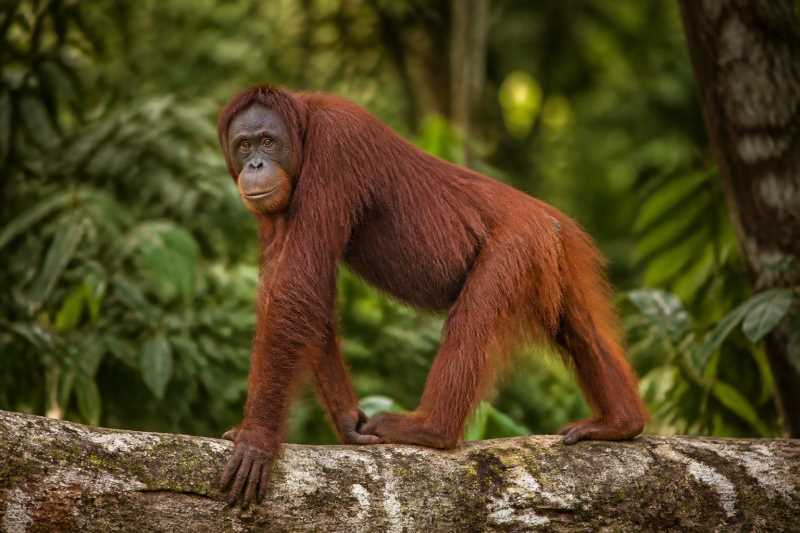
Bornean orangutans are the largest arboreal mammals and exhibit sexual dimorphism, meaning males and females differ in size and appearance. Adult males can weigh between 75 to 100 kilograms (165 to 220 pounds) and measure about 1.2 to 1.5 meters (4 to 5 feet) in height. Females are generally smaller, weighing around 30 to 50 kilograms (66 to 110 pounds) and measuring approximately 1 to 1.2 meters (3.3 to 4 feet).
One of the most distinguishing features of Bornean orangutans is their long, reddish-brown hair, which provides them with insulation against the rain and sun. Males are known for their prominent cheek pads, or flanges, which are fleshy outgrowths on the sides of their faces that develop with maturity and are believed to play a role in attracting females.
Their arms are incredibly long, extending up to 2.2 meters (7 feet) from fingertip to fingertip, allowing them to move effortlessly through the trees. Their hands and feet are adapted for grasping branches, with opposable thumbs and big toes that help them maintain a strong grip.
Range and Habitat
Bornean orangutans are exclusively found on the island of Borneo, which is politically divided among Malaysia, Indonesia, and Brunei. These primates inhabit the tropical and subtropical primary and secondary forests, swamps, and lowland dipterocarp forests of the region.
Their range is divided into three subspecies: the northwest Bornean orangutan (Pongo pygmaeus pygmaeus), the central Bornean orangutan (Pongo pygmaeus wurmbii), and the northeast Bornean orangutan (Pongo pygmaeus morio). Each subspecies occupies different parts of Borneo, adapting to the specific environmental conditions of their respective regions.
The dense forests of Borneo provide a rich and diverse environment for orangutans, offering an abundance of fruits, leaves, and insects that make up their diet. However, deforestation and land conversion for agriculture, particularly palm oil plantations, are rapidly shrinking their habitat, posing a significant threat to their survival.
Behavior and Diet
Bornean orangutans are predominantly solitary animals, with adult males and females only coming together for mating. Females are the primary caregivers, raising their offspring independently for about eight years, which is one of the longest maternal dependencies among mammals.
These great apes are diurnal, meaning they are active during the day. They spend most of their time in the trees, building new nests each night from branches and leaves. Orangutans are known for their intelligence and problem-solving abilities, often using tools to extract insects or seeds from hard-to-reach places.
The diet of Bornean orangutans is primarily frugivorous, consisting mainly of fruit, but they also consume leaves, bark, flowers, and insects. Their feeding habits play a crucial role in seed dispersal, helping to maintain the health and diversity of the forest ecosystem.
Identification Tips (Field Recognition Cues)
Identifying Bornean orangutans in the wild requires keen observation and an understanding of their unique characteristics. Here are some tips for recognizing these magnificent creatures:
- Color and Size: Look for the distinctive reddish-brown fur and large body size, especially in adult males.
- Cheek Pads: Mature males have pronounced cheek pads, which are a key differentiator from females and younger males.
- Long Arms: Notice their extraordinarily long arms, which they use to swing through the trees.
- Nesting Habits: Observe the treetops for nests made of leaves and branches, usually constructed each evening.
- Vocalizations: Listen for their vocal calls, particularly the long calls of males that can be heard over long distances.
Conservation Status (With Threats and Protections)
The Bornean orangutan is classified as Critically Endangered by the International Union for Conservation of Nature (IUCN), with an estimated population decline of over 50% in the past 60 years. The major threats to their survival include habitat loss due to logging, agricultural expansion, and palm oil plantations. Illegal hunting and pet trade further exacerbate their decline.
Conservation efforts are ongoing, with various organizations working to protect Bornean orangutans through habitat preservation, anti-poaching initiatives, and rehabilitation programs. Sanctuaries and rehabilitation centers in Borneo provide care for orphaned and injured orangutans, with the aim of eventually reintroducing them into the wild.
Additionally, international and local laws, such as the Convention on International Trade in Endangered Species (CITES) and national wildlife protection acts, aim to safeguard these primates and their habitats. Public awareness campaigns and sustainable palm oil certifications are also crucial in reducing the impact of human activities on their survival.
Frequently Asked Questions
1. What is the lifespan of a Bornean orangutan? Bornean orangutans have a lifespan of 35 to 45 years in the wild, although some may live longer in captivity due to the absence of predators and access to veterinary care.
2. How do Bornean orangutans communicate? Bornean orangutans communicate using a variety of vocalizations, facial expressions, and gestures. Males are known for their long calls, which serve to establish territory and attract females.
3. Why are Bornean orangutans important to the ecosystem? As seed dispersers, Bornean orangutans play a vital role in maintaining the health and diversity of forest ecosystems. Their feeding habits help propagate various plant species, contributing to forest regeneration.
4. What is being done to protect Bornean orangutans? Conservation efforts include habitat preservation, anti-poaching measures, rehabilitation and reintroduction programs, and public awareness campaigns. Legal protections aim to curb illegal trade and habitat destruction.
5. Can Bornean orangutans swim? Unlike some animals, Bornean orangutans are not natural swimmers. They typically avoid water bodies, preferring to stay in the trees, although they can wade in shallow waters if necessary.
Related posts