Introduction
Beatrix’s Butterfly Bat, scientifically known as Glauconycteris beatrix, is a fascinating and elusive species of bat belonging to the family Vespertilionidae. These bats are often recognized for their unique wing patterns that resemble the delicate wings of a butterfly, hence the name. This species is one of the lesser-known bats, offering intriguing insights into the biodiversity and adaptability of mammals in tropical regions.
Bats play an essential role in our ecosystems, serving as pollinators, seed dispersers, and insect population controllers. Understanding species like Beatrix’s Butterfly Bat can help enhance conservation efforts and promote biodiversity.
Physical Description
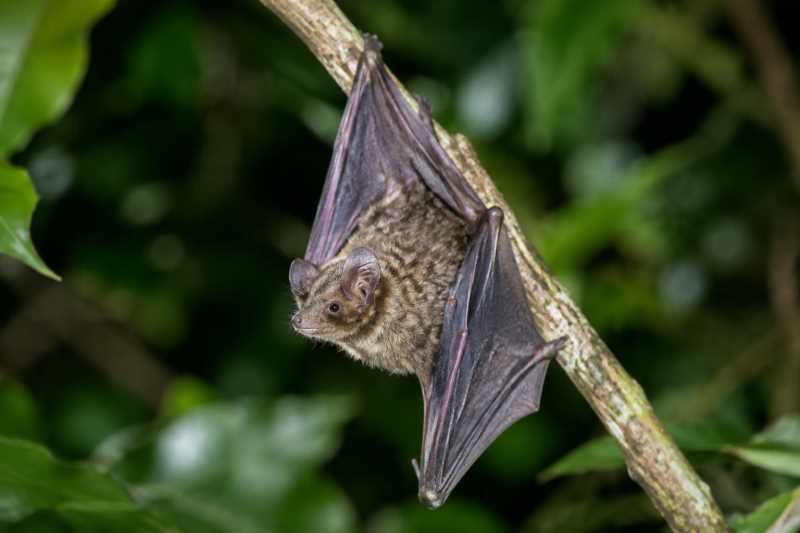
Beatrix’s Butterfly Bat is a small-sized bat, characterized by its distinct wing patterns. The wings are typically adorned with intricate markings that mimic the appearance of a butterfly, providing it with excellent camouflage in its natural habitat. This unique feature is not just for show but serves as a functional adaptation to evade predators.
The body length of these bats ranges from 4.5 to 6 centimeters, with a wingspan of approximately 25 to 30 centimeters. The fur is generally short and sleek, with a coloration that varies from pale brown to a darker brown hue, aiding in its camouflage among the trees and foliage.
One of the defining features of Glauconycteris beatrix is its broad and rounded ears, which are crucial for echolocation—a method these bats use to navigate and hunt for prey in the dark. The eyes are relatively small, reflecting its reliance on echolocation rather than vision.
Range and Habitat
Beatrix’s Butterfly Bat is endemic to parts of Central and West Africa. Its range includes countries such as Nigeria, Cameroon, and the Democratic Republic of the Congo. These bats primarily inhabit tropical and subtropical forests, where they can find ample food resources and suitable roosting sites.
The bat’s habitat is typically characterized by dense canopies, which offer protection from predators and the elements. They are also found in secondary forests and sometimes in agricultural areas, demonstrating some level of adaptability to human-altered landscapes. However, the preference remains for undisturbed forest habitats where their survival is most assured.
Behavior and Diet
Beatrix’s Butterfly Bat is primarily nocturnal, spending its days roosting in tree hollows, under bark, or in dense foliage. As dusk falls, these bats become active, embarking on their nightly foraging activities. They are insectivorous, feeding predominantly on a variety of insects such as moths, beetles, and mosquitoes.
Their hunting strategy involves agile flight patterns, using echolocation to detect and capture their prey mid-air. The echolocation calls of Beatrix’s Butterfly Bat are ultrasonic, beyond the range of human hearing, and are finely tuned to detect the specific frequency of their insect prey.
Social behavior in these bats is not well-documented, but like many bat species, they are believed to roost in small groups. During the breeding season, males and females congregate, and after mating, females give birth to a single pup, which they rear with considerable care.
Identification Tips
Identifying Beatrix’s Butterfly Bat in the field can be challenging due to its elusive nature and nocturnal habits. However, there are specific cues that can help:
- Wing Patterns: Look for the distinctive, butterfly-like patterns on the wings, a unique feature of this species.
- Size: Note the small size and compact body, with a wingspan of 25 to 30 centimeters.
- Habitat: Search in dense tropical forests or near forest edges where these bats are likely to forage.
- Echolocation: Use bat detectors to pick up their ultrasonic calls, which can help in identifying the presence of Beatrix’s Butterfly Bats.
Conservation Status
As of the latest assessments, Beatrix’s Butterfly Bat is classified as Data Deficient by the International Union for Conservation of Nature (IUCN). This status highlights the need for more comprehensive studies to determine population size, trends, and threats.
The primary threats to this species include habitat loss due to deforestation and agricultural expansion. Logging and land conversion for agriculture reduce the availability of suitable roosting and foraging sites, posing a significant threat to their survival.
Conservation efforts for Beatrix’s Butterfly Bat focus on habitat preservation and restoration. Protecting the remaining tropical forests and promoting reforestation can provide these bats with the habitat they need to thrive. Additionally, raising awareness about the ecological importance of bats can help garner support for conservation initiatives.
Frequently Asked Questions
1. What is the typical diet of Beatrix’s Butterfly Bat?
Beatrix’s Butterfly Bat primarily feeds on insects. Its diet includes moths, beetles, and mosquitoes, which it hunts using echolocation at night.
2. Where can Beatrix’s Butterfly Bat be found?
This bat species is found in Central and West Africa, specifically in countries like Nigeria, Cameroon, and the Democratic Republic of the Congo.
3. How does Beatrix’s Butterfly Bat navigate and find food?
Beatrix’s Butterfly Bat uses echolocation to navigate in the dark and locate its prey. It emits ultrasonic calls and listens for echoes to detect insects.
4. What are the main threats to Beatrix’s Butterfly Bat?
The main threats include habitat loss due to deforestation and agricultural expansion, which reduce the availability of suitable habitats for roosting and feeding.
5. How can conservation efforts help protect Beatrix’s Butterfly Bat?
Conservation efforts can protect this bat by preserving and restoring tropical forest habitats, raising awareness, and promoting policies that reduce deforestation.
Related posts