The Churring Cisticola: A Closer Look at Cisticola njombe
The Churring Cisticola (Cisticola njombe) is a fascinating avian species that has piqued the interest of ornithologists and bird enthusiasts alike. Known for its unique call and elusive nature, this bird is a member of the Cisticolidae family, which includes a diverse group of small passerine birds commonly referred to as cisticolas or warblers. In this article, we will explore the characteristics, habitat, behavior, and conservation status of the Churring Cisticola, providing a comprehensive understanding of this remarkable bird.
Taxonomy and Identification
The Churring Cisticola was first described by ornithologists based on specimens collected in the highland regions of East Africa. It is closely related to other species within the Cisticola genus, which consists of over 40 different species distributed across Africa and parts of Asia. The Churring Cisticola can be identified by its small size, measuring approximately 10-12 centimeters in length, with a wingspan of about 15 centimeters.
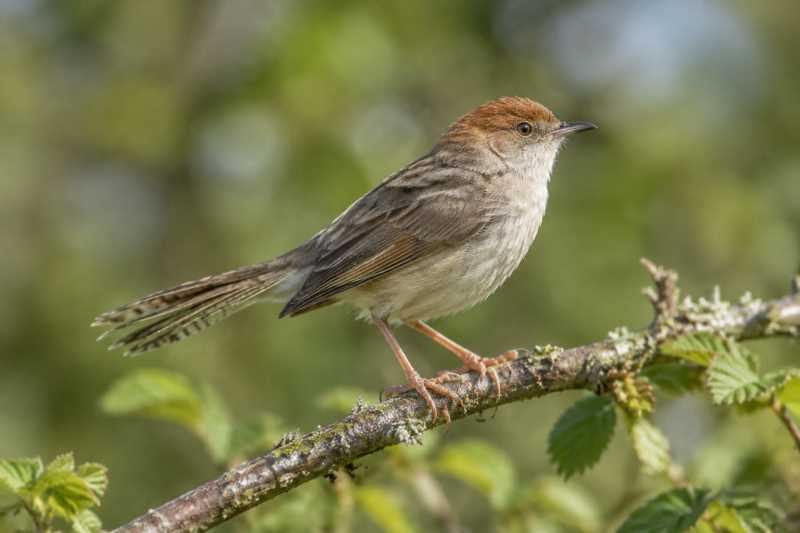
The plumage of the Churring Cisticola is characterized by its earthy tones. Its upperparts are predominantly brown with darker streaks, while the underparts are lighter, often with a tinge of buff or cream. The tail is relatively short and often held upright, a common feature among cisticolas. One of the most distinctive identification markers is its call—a rapid, churring sound that gives the bird its name.
Habitat and Distribution
The Churring Cisticola is endemic to the highland regions of East Africa, particularly in countries like Tanzania and Malawi. It thrives in grasslands and open landscapes at altitudes ranging from 1,800 to 2,500 meters above sea level. The bird prefers habitats with tall grasses and scattered bushes, which provide both camouflage and nesting sites.
These highland regions offer a unique ecosystem that supports a diverse array of flora and fauna. The Churring Cisticola plays a vital role in this ecosystem, contributing to the control of insect populations and serving as prey for larger predators. Its presence in these high-altitude grasslands is an indicator of a healthy, balanced environment.
Behavior and Diet
The Churring Cisticola is known for its energetic and agile behavior. It often flits between grass stems and low bushes, foraging for food. Its diet primarily consists of insects and other small invertebrates, which it hunts with remarkable precision. During the breeding season, the bird’s foraging activity intensifies as it gathers food to feed its young.
Breeding typically occurs during the rainy season when food resources are abundant. The Churring Cisticola constructs its nest using grasses and plant fibers, weaving them into a compact, cup-shaped structure hidden within dense vegetation. The female lays a clutch of 2-3 eggs, which she incubates diligently. Both parents share the responsibility of feeding the chicks once they hatch.
Vocalizations
The Churring Cisticola is most renowned for its vocalizations, which are a key component of its behavior and communication. The male is particularly vocal during the breeding season, using its distinctive churring call to establish territory and attract a mate. This call can be heard echoing across the grasslands, a familiar sound to those who inhabit or visit these regions.
The call itself is a series of rapid, repetitive notes that create a churring or buzzing effect. These vocalizations not only serve to attract mates but also to ward off potential rivals. The complexity and frequency of the calls may vary depending on environmental factors and the presence of other cisticolas in the vicinity.
Conservation Status
The Churring Cisticola is currently listed as a species of Least Concern by the International Union for Conservation of Nature (IUCN). However, like many other grassland species, it faces threats from habitat loss and degradation. The conversion of grasslands to agricultural land and the encroachment of human settlements pose significant challenges to the survival of this species.
Conservation efforts are crucial to ensure the continued existence of the Churring Cisticola and the preservation of its natural habitat. Protecting highland grasslands and implementing sustainable land management practices are essential steps toward safeguarding this species. Additionally, raising awareness about the ecological importance of grassland ecosystems can help garner support for conservation initiatives.
Conclusion
The Churring Cisticola is a remarkable bird that embodies the beauty and complexity of highland ecosystems. Its distinctive call, agile behavior, and role in the ecosystem make it a subject of interest for birdwatchers and researchers alike. While currently not at immediate risk of extinction, ongoing conservation efforts are vital to ensure that future generations can continue to appreciate the presence of the Churring Cisticola in the wild.
By understanding and protecting the habitats that support this and other species, we contribute to the broader goal of biodiversity conservation. The Churring Cisticola serves as a reminder of the intricate web of life that exists within our natural world and the importance of preserving it for the future.
Related posts