Introduction
The Bare-tailed Woolly Opossum (Caluromys philander), a fascinating marsupial species, is a testament to the rich biodiversity of the Americas. Found primarily in the lush rainforests of South America, this nocturnal creature is known for its distinctive woolly fur and bare tail, offering a unique glimpse into the adaptability and diversity of marsupial life. This article delves into the intricate details of the Bare-tailed Woolly Opossum, exploring its physical characteristics, habitats, behaviors, and the conservation efforts aimed at preserving this remarkable species.
Physical Description
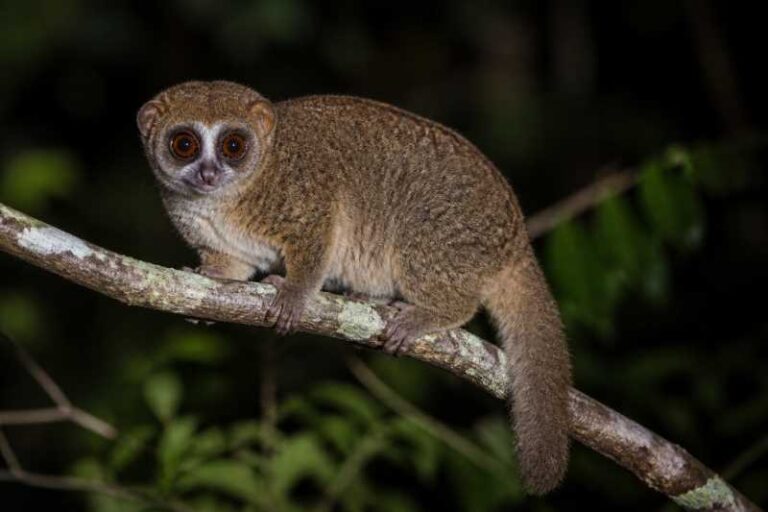
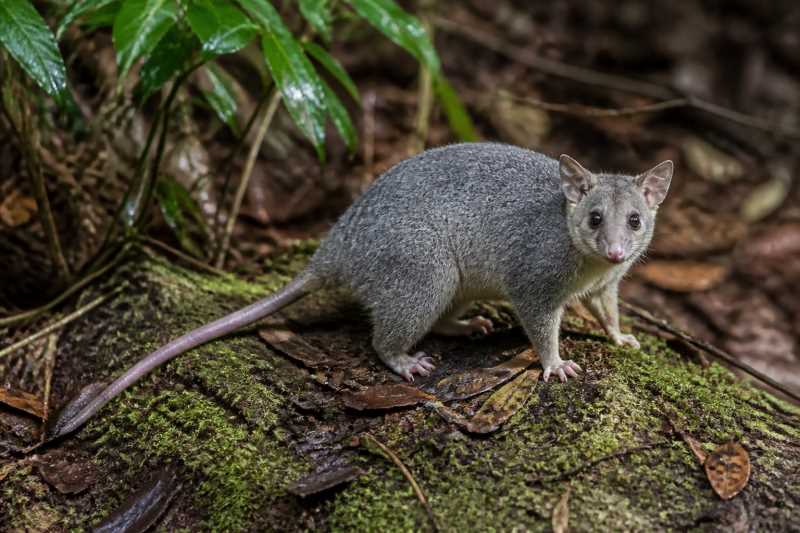
The Bare-tailed Woolly Opossum is a medium-sized marsupial, notable for its dense, woolly fur, which ranges in color from a warm reddish-brown to a more muted grey. One of the most distinguishing features of this species is its tail, which is sparsely furred near the base and becomes bare towards the tip, thus the name "bare-tailed." This tail is prehensile, aiding the opossum in climbing and navigating through the dense canopy of its forest home.
Adult Bare-tailed Woolly Opossums typically weigh between 200 and 400 grams, with a body length ranging from 20 to 30 centimeters, and their tails are often as long, or longer, than their bodies. Their large, round eyes are well-adapted for their nocturnal lifestyle, providing excellent night vision. Their ears are relatively large and rounded, aiding in acute hearing, which is essential for detecting both predators and prey in their complex habitat.
Range and Habitat
The Bare-tailed Woolly Opossum is native to the tropical and subtropical forests of South America. Its range extends from the northern regions of Brazil, through French Guiana, Suriname, and Guyana, and into the northern stretches of Venezuela. This species thrives in dense, humid rainforests and is particularly fond of areas with abundant fruit-bearing trees, which provide both food and shelter.
While they are primarily arboreal, Bare-tailed Woolly Opossums are also known to descend to the forest floor in search of food or to move between trees. They prefer habitats that offer a rich diversity of plant life, as this variety supports their omnivorous diet and provides ample cover from predators.
Behavior and Diet
Bare-tailed Woolly Opossums are solitary and nocturnal creatures. They are primarily active at night when they forage for food, using their keen senses to locate fruits, insects, small vertebrates, and occasionally, bird eggs. Their diet is highly opportunistic, allowing them to adapt to seasonal variations in food availability.
These opossums are adept climbers, using their prehensile tails and agile limbs to navigate the forest canopy. During the day, they rest in nests made from leaves and twigs, usually located in tree hollows or dense foliage, providing protection from predators and the elements.
Communication among Bare-tailed Woolly Opossums is primarily through vocalizations and scent markings. They produce a variety of sounds, including clicks and hisses, to alert others to their presence or to ward off potential threats.
Identification Tips (Field Recognition Cues)
Identifying a Bare-tailed Woolly Opossum in the wild can be a rewarding challenge for naturalists and wildlife enthusiasts. Here are some key identification tips:
- Fur Texture and Color: Look for the distinctive woolly fur, which can range from reddish-brown to grey. The fur is dense and provides excellent insulation.
- Tail Characteristics: Observe the tail, which is bare towards the tip. This prehensile tail is a key feature for climbing and balance.
- Size and Shape: Note the medium size, with a body length of 20-30 centimeters, and a tail that matches or exceeds this length.
- Eyes and Ears: Their large, round eyes are a giveaway of their nocturnal habits, and their rounded ears are adapted for acute hearing.
- Behavior: They are primarily solitary and nocturnal, so sightings are more likely at night in forested areas.
Conservation Status (With Threats and Protections)
The conservation status of the Bare-tailed Woolly Opossum is currently classified as Least Concern by the International Union for Conservation of Nature (IUCN). However, this does not mean they are free from threats. The primary challenges facing this species include habitat destruction due to logging, agriculture, and urban expansion, which leads to fragmentation of their natural habitat.
Despite these threats, the Bare-tailed Woolly Opossum benefits from residing in several protected areas across its range, where conservation efforts focus on preserving the rich biodiversity of these regions. Additionally, local and international conservation organizations are working to raise awareness about the importance of maintaining natural habitats and preventing illegal logging and land conversion.
Frequently Asked Questions
What does the Bare-tailed Woolly Opossum eat?
The Bare-tailed Woolly Opossum has an omnivorous diet, primarily feeding on fruits, insects, small vertebrates, and bird eggs. Their diet varies seasonally based on the availability of food sources.
Where can I find the Bare-tailed Woolly Opossum in the wild?
This species is found in the tropical and subtropical forests of northern South America, including Brazil, French Guiana, Suriname, Guyana, and Venezuela. They prefer dense, humid rainforests with a high diversity of plant life.
How can I identify a Bare-tailed Woolly Opossum?
Look for their distinctive woolly fur, bare tail, and large, round eyes. They are medium-sized with a body length of 20-30 centimeters and are primarily nocturnal, making night sightings more likely.
Are Bare-tailed Woolly Opossums endangered?
Currently, the Bare-tailed Woolly Opossum is classified as Least Concern by the IUCN. However, habitat destruction poses a significant threat to their populations.
What are the main threats to the Bare-tailed Woolly Opossum?
The main threats include habitat destruction due to logging, agriculture, and urban expansion, which lead to habitat fragmentation and loss.
Related posts