Introduction
The Andaman Spiny White-toothed Shrew (Crocidura hispida) is a unique and elusive mammal found exclusively in the Andaman Islands of India. This small insectivorous mammal is part of the Soricidae family, which includes a diverse range of shrew species scattered across the globe. Due to its limited range and specialized habitat, the Andaman Spiny White-toothed Shrew is of particular interest to biologists and conservationists who strive to understand and protect the biodiversity of these remote islands. This article delves into the distinct characteristics, habitat preferences, behaviors, and conservation status of this fascinating species.
Physical Description
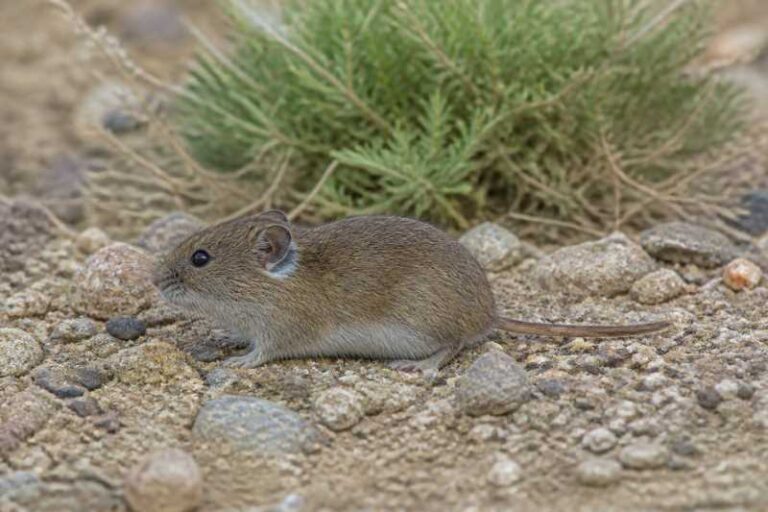
The Andaman Spiny White-toothed Shrew is a small mammal, typically measuring between 5 to 7 centimeters in body length, with a tail length of approximately 4 to 5 centimeters. This species is distinguished by its spiny fur, which provides a unique texture compared to other shrews. The dense, bristly coat is generally dark brown to grayish in color, offering excellent camouflage against the forest floor’s litter and undergrowth. The small, beady eyes and elongated, pointed snout are characteristic features that align with its insectivorous lifestyle, allowing it to efficiently hunt for insects and other small invertebrates.
The shrew’s dentition is another notable feature, with sharp, white incisors that are essential for capturing and consuming prey. Unlike some other shrew species, the Andaman Spiny White-toothed Shrew does not exhibit pigmented teeth, which is a common trait in the Soricidae family. Its compact body and strong limbs enable it to navigate through the dense foliage and ground cover of its natural habitat.
Range and Habitat
Crocidura hispida is endemic to the Andaman Islands, a remote archipelago located in the Bay of Bengal. The shrew inhabits a range of terrestrial habitats, predominantly favoring tropical evergreen forests, secondary forests, and areas with dense undergrowth. These habitats provide ample cover and food resources, crucial for the shrew’s survival and reproduction.
The Andaman Islands’ unique geological and climatic conditions contribute to the diversity and specialization of its fauna. The islands experience a tropical monsoon climate, with high humidity and significant rainfall, which supports lush vegetation and a rich array of invertebrate prey. The restricted distribution of this shrew, confined to the Andaman Islands, makes its habitat particularly vulnerable to human activities and environmental changes.
Behavior and Diet
The Andaman Spiny White-toothed Shrew is predominantly nocturnal, actively foraging for food during the night. Its diet primarily consists of insects, spiders, and other small arthropods, which it detects using its keen sense of smell and acute hearing. The shrew’s rapid metabolism necessitates frequent feeding, and it is known to be an aggressive hunter, often taking on prey larger than itself.
Social behavior in Crocidura hispida is not well-documented, but like most shrews, it is likely to be solitary, with individuals maintaining territorial boundaries. Breeding habits are also not extensively studied, but it is assumed that, similar to other shrews, the Andaman Spiny White-toothed Shrew breeds multiple times a year, with litters containing several offspring.
Identification Tips (Field Recognition Cues)
Identifying the Andaman Spiny White-toothed Shrew in the wild requires careful observation due to its small size and elusive nature. Here are some key identification tips:
- Fur Texture: Look for the distinctive spiny fur, which differentiates it from smoother-coated shrew species.
- Coloration: Notice the dark brown to grayish coat, which provides camouflage in its forest habitat.
- Size and Shape: Observe the shrew’s small size, elongated snout, and compact body, adapted for its insectivorous diet and dense habitat.
- Behavior: Pay attention to its nocturnal activity, as it is most likely to be seen at night when foraging.
Conservation Status (With Threats and Protections)
The conservation status of the Andaman Spiny White-toothed Shrew is currently classified as Data Deficient by the International Union for Conservation of Nature (IUCN). This classification reflects the limited information available regarding its population size, distribution, and ecological requirements. However, the species faces several potential threats that could impact its survival.
Threats
- Habitat Loss: Deforestation for agriculture, urbanization, and infrastructure development poses a significant threat to its natural habitat.
- Invasive Species: The introduction of non-native predators, such as cats and rats, can lead to increased predation pressure.
- Climate Change: Altered weather patterns and rising sea levels may impact the delicate ecosystems of the Andaman Islands.
Protections
Efforts to conserve the Andaman Spiny White-toothed Shrew focus on habitat protection and environmental policy enforcement. Existing wildlife sanctuaries and protected areas within the Andaman Islands provide some level of habitat security. Additionally, ongoing research and monitoring aim to improve our understanding of the species and inform conservation strategies.
Frequently Asked Questions
1. What do Andaman Spiny White-toothed Shrews eat?
The Andaman Spiny White-toothed Shrew primarily feeds on insects, spiders, and other small arthropods. Its diet is adapted to its insectivorous nature, relying on its keen sense of smell and hearing to locate prey.
2. How can you identify an Andaman Spiny White-toothed Shrew?
Identification involves observing its spiny, dark brown to grayish fur, small size, elongated snout, and nocturnal foraging behavior. These features are crucial for distinguishing it from other shrew species.
3. What is the habitat range of the Andaman Spiny White-toothed Shrew?
This shrew is endemic to the Andaman Islands in India, inhabiting tropical evergreen forests and areas with dense undergrowth. Its range is restricted to this specific geographic location.
4. Why is the Andaman Spiny White-toothed Shrew classified as Data Deficient?
The species is classified as Data Deficient due to the lack of comprehensive data on its population size, distribution, and ecological needs. More research is needed to accurately assess its conservation status.
5. What are the main threats to the Andaman Spiny White-toothed Shrew?
The primary threats include habitat loss due to deforestation, predation by invasive species, and the impacts of climate change on its island ecosystem.
Related posts