Introduction
The Alashan Ground Squirrel, scientifically known as Spermophilus alaschanicus, is a fascinating rodent species belonging to the Sciuridae family. These small mammals are notable for their adaptability to harsh environments and their role in the ecosystems of Central Asia. This article aims to provide an in-depth look at the Alashan Ground Squirrel, covering its physical characteristics, habitat preferences, behavior, and conservation status. Additionally, we’ll offer tips for identifying these ground squirrels in the wild and address some frequently asked questions about the species.
Physical Description
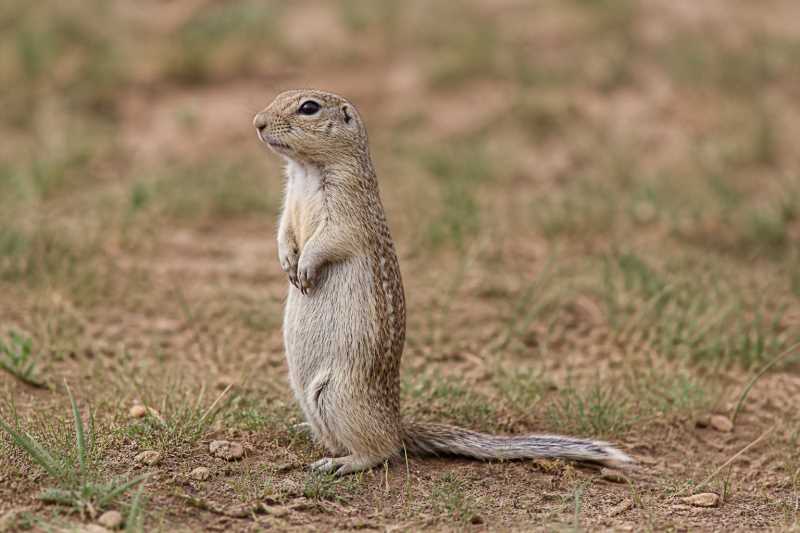
The Alashan Ground Squirrel is a medium-sized rodent, with adults typically measuring between 20 and 25 centimeters in length, excluding the tail, which adds another 5 to 8 centimeters. These squirrels generally weigh between 250 to 400 grams, with slight variations based on age and sex.
Their fur is dense and soft, providing insulation against the cold temperatures of their mountainous habitat. The dorsal side is usually a mottled grayish-brown, which helps them blend into their rocky surroundings. The ventral side is lighter, often a pale gray or white. One of the most distinguishing features of the Alashan Ground Squirrel is the presence of faint, lighter stripes running along the back, although these are less pronounced than in other ground squirrel species.
Their ears are small and rounded, and their eyes are large and prominent, adapted for detecting predators. The tail is bushy, providing balance and additional warmth. Alashan Ground Squirrels have strong, sharp claws, which are essential for digging burrows and foraging.
Range and Habitat
The Alashan Ground Squirrel is primarily found in the arid regions of Central Asia, with its range spanning parts of Mongolia and northern China, particularly the Alxa (or Alashan) Plateau, from which it derives its name. These regions are characterized by cold desert climates, with sparse vegetation and rocky outcrops.
Their habitat preference includes flat to gently sloping areas with loose, sandy soil, which facilitates burrowing. They are often found in alpine meadows, shrublands, and steppe environments, where they can find adequate food resources and shelter. The ability to thrive in such harsh conditions is a testament to their ecological adaptability.
Behavior and Diet
Alashan Ground Squirrels are diurnal, meaning they are active during the day, with peak activity occurring in the early morning and late afternoon. They are social creatures, often found in colonies that offer protection against predators through cooperative vigilance.
Their diet is omnivorous, consisting mainly of seeds, nuts, and grasses, which are abundant in their habitat. However, they also consume insects and small invertebrates, especially when plant resources are scarce. During the summer months, they actively forage and store food in their burrows to prepare for the winter, as they enter a state of hibernation during the colder months.
These ground squirrels are adept diggers, creating complex burrow systems that serve as protection from predators and harsh weather. These burrows can be extensive, with multiple entrances and chambers for nesting and food storage.
Identification Tips
Identifying the Alashan Ground Squirrel in the field can be challenging due to its resemblance to other ground squirrel species. However, there are several key characteristics to look for:
- Coloration: Look for the mottled grayish-brown fur with lighter stripes on the back. The ventral side will be noticeably lighter.
- Size: They are medium-sized rodents, typically 20-25 cm long, excluding the tail.
- Habitat: They are often found in rocky, arid environments with sparse vegetation.
- Behavior: Active during the day, especially in the morning and late afternoon, often seen foraging in groups.
- Vocalizations: They use a series of chirps and whistles as alarm calls.
Conservation Status
The Alashan Ground Squirrel is currently listed as Least Concern by the International Union for Conservation of Nature (IUCN). While they are not considered endangered, they face several threats that could impact their populations in the future.
Threats
- Habitat Loss: Expansion of agriculture and urbanization in parts of their range can lead to habitat degradation.
- Climate Change: Alterations in the climate can affect the availability of food resources and suitable habitat.
- Predation: Natural predators include birds of prey and carnivorous mammals.
- Human Interaction: They are sometimes considered pests by local farmers, leading to intentional culling.
Protections
Currently, there are no specific conservation programs targeting the Alashan Ground Squirrel. However, their presence in several protected areas helps ensure the stability of their populations. Maintaining these habitats and conducting further research on their ecology and population dynamics will be crucial for their long-term conservation.
Frequently Asked Questions
What do Alashan Ground Squirrels eat?
Alashan Ground Squirrels primarily consume seeds, nuts, and grasses. They are omnivorous and will also eat insects and small invertebrates, especially when plant-based food is scarce.
Where can I find Alashan Ground Squirrels in the wild?
These squirrels are native to Central Asia, particularly in the Alxa Plateau region of Mongolia and northern China. They inhabit arid, rocky environments with sparse vegetation.
How do Alashan Ground Squirrels survive the winter?
Alashan Ground Squirrels survive the winter by hibernating in their extensive burrow systems. They store food during the summer to sustain themselves throughout the hibernation period.
Are Alashan Ground Squirrels endangered?
No, the Alashan Ground Squirrel is currently listed as Least Concern by the IUCN. However, they face potential threats from habitat loss and climate change.
How can I identify an Alashan Ground Squirrel?
Look for a medium-sized rodent with mottled grayish-brown fur and lighter stripes on the back. They are most active during the day and often found in rocky, arid environments.
Related posts