Canon RF100-400mm F5.6-8 IS USM: A Bird Enthusiast’s Perspective
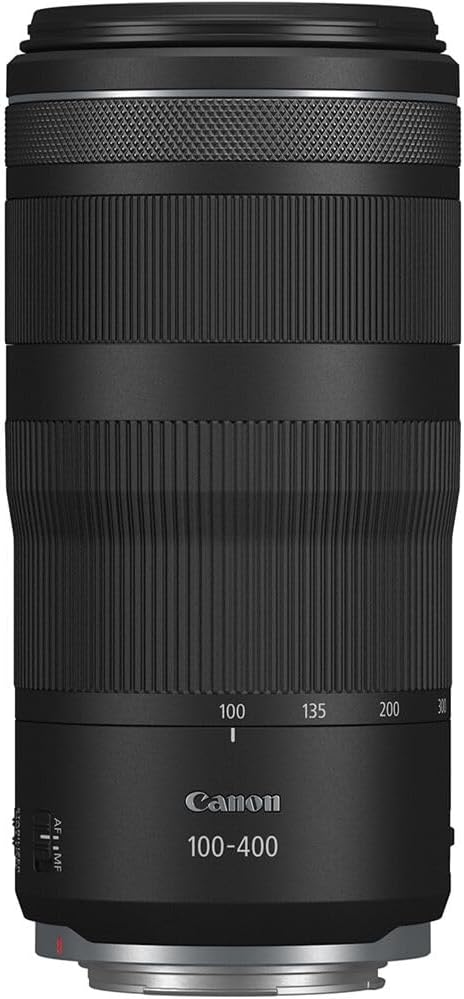
Birdwatching and bird photography demand specialized equipment to capture the intricate beauty and swift movements of avian life. Canon’s RF100-400mm F5.6-8 IS USM lens has garnered attention within the birding community for its blend of versatility, performance, and affordability. In this article, we will explore the features of this lens that make it a noteworthy contender for bird enthusiasts, as well as some limitations that potential buyers should consider.
Key Features and Benefits
1. Versatile Focal Length:
The 100-400mm focal length range of the Canon RF100-400mm F5.6-8 IS USM lens is particularly appealing for bird photographers. This range allows photographers to capture close-up details of birds while maintaining a safe distance that minimizes the risk of disturbing the animals. The lens’s ability to zoom from 100mm to 400mm on a full-frame mirrorless Canon RF mount camera provides flexibility in framing and composition.
2. Compact and Lightweight Design:
One of the standout features of the RF100-400mm lens is its relatively compact and lightweight design. Weighing approximately 635 grams (1.4 pounds), it is significantly lighter than many other telephoto lenses in its class. This makes it easier to carry during long birdwatching excursions and less taxing on the photographer’s arms and shoulders during handheld shooting.
3. Image Stabilization:
The lens features a powerful 5.5-stop Optical Image Stabilizer, which can be a game-changer for bird photographers, especially in low-light conditions or when shooting at slower shutter speeds. The stabilization helps reduce motion blur, ensuring sharper images even when shooting handheld. For bird enthusiasts, this means capturing crisp images of birds in flight or perched in dimly lit environments.
4. Fast and Quiet Autofocus:
Equipped with Canon’s Nano USM technology, the RF100-400mm F5.6-8 IS USM lens delivers fast and silent autofocus. This feature is crucial for bird photography, where subtle movements can startle the subject. The quiet motor ensures that you can focus quickly without disturbing your avian subjects.
5. Affordability:
Considering its features and performance, the RF100-400mm lens is competitively priced. It offers a more budget-friendly option for bird enthusiasts who want to step into telephoto photography without investing in the high-end professional lenses that often come with a hefty price tag.
Limitations to Consider
1. Aperture Range:
One of the main criticisms of the RF100-400mm F5.6-8 IS USM lens is its narrow aperture range of f/5.6 to f/8. This can pose challenges in low-light conditions, as the narrower aperture limits the amount of light entering the lens, potentially requiring higher ISO settings that can introduce noise to images. For bird photographers, this may mean difficulty in capturing fast-moving subjects in low light without compromising image quality.
2. Variable Aperture:
The lens features a variable aperture, which means that as you zoom in, the maximum aperture reduces from f/5.6 to f/8. This can complicate exposure settings, especially for photographers who prefer to shoot in manual mode. Bird photographers accustomed to shooting with fixed aperture lenses might find this aspect requires an adjustment in their shooting technique.
3. Build Quality:
While the RF100-400mm is designed to be lightweight, some photographers may find that the build quality feels less robust compared to Canon’s L-series lenses. It lacks weather sealing, which could be a concern for those who frequently shoot in challenging outdoor conditions. Bird enthusiasts who often find themselves in unpredictable weather or rugged environments may want to consider additional protective measures.
4. Limited Compatibility:
The RF100-400mm F5.6-8 IS USM lens is designed specifically for Canon’s RF mount system. This limits its compatibility to Canon’s mirrorless cameras, which may require additional investment for bird photographers using DSLR systems. While the RF mount offers advanced features and performance, it involves a transition for those not already invested in the mirrorless ecosystem.
Final Thoughts
The Canon RF100-400mm F5.6-8 IS USM lens presents an attractive option for bird enthusiasts seeking a balance between performance, versatility, and affordability. Its compact size, effective image stabilization, and quiet autofocus make it well-suited for capturing the dynamic and often unpredictable world of bird photography. However, potential buyers should carefully consider the trade-offs associated with its aperture range and build quality.
For those willing to adapt to its limitations, the RF100-400mm lens can serve as a valuable tool in capturing the beauty of birds, whether in flight or at rest. As with any gear, understanding its strengths and weaknesses will empower photographers to make the most of their birdwatching and photographic endeavors.
Related posts