Whitehead’s Swiftlet: A Glimpse into the Life of an Elusive Avian Marvel
In the dense, mist-laden forests of Southeast Asia, there exists a remarkable avian species known as Whitehead’s Swiftlet (Aerodramus whiteheadi). This elusive bird, named after the British explorer John Whitehead, is a marvel of nature, both for its unique ecological adaptations and its role in the intricate web of its ecosystem. This article delves into the fascinating world of Whitehead’s Swiftlet, exploring its habitat, behavior, and the conservation challenges it faces.
Habitat and Distribution
Whitehead’s Swiftlet is primarily found in the montane forests of the Philippines, including the islands of Luzon, Mindanao, and Negros. These regions are characterized by their high elevation, dense vegetation, and cool, humid climate, providing an ideal habitat for this swiftlet. The bird’s preference for such specific environments underscores its sensitivity to habitat changes, making it a species of concern for conservationists.
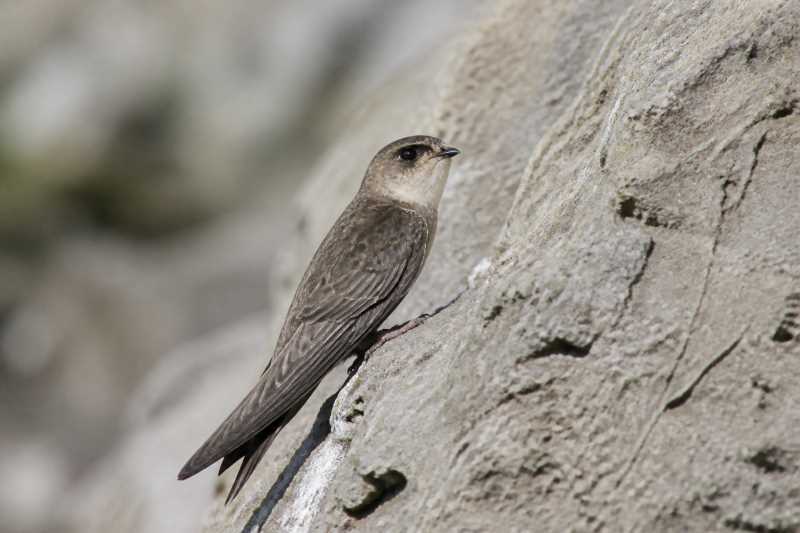
The swiftlet’s choice of nesting sites is equally intriguing. It often selects limestone caves or overhangs, where it constructs its nests out of saliva and plant material. These nesting sites are crucial, not only for breeding but also for the bird’s survival, as they offer protection from predators and harsh weather conditions.
Behavior and Ecology
Whitehead’s Swiftlet is a master of the skies, spending the majority of its life in flight. Its aerodynamic body and long, narrow wings enable it to glide effortlessly, covering vast distances in search of food. The swiftlet’s diet primarily consists of small insects and other airborne invertebrates, which it captures with remarkable precision.
One of the most fascinating aspects of Whitehead’s Swiftlet is its use of echolocation, a trait it shares with only a few other bird species. This adaptation allows the swiftlet to navigate the dark recesses of its cave habitats with ease, avoiding obstacles and locating nests. The bird emits a series of clicks and uses the returning echoes to map its surroundings, a skill that is vital for its nocturnal activities.
Reproduction and Lifespan
The breeding behavior of Whitehead’s Swiftlet is as captivating as its aerial feats. The species typically breeds during the rainy season, taking advantage of the abundant food supply. The female lays a single egg, which both parents diligently incubate. Once hatched, the chick is fed a diet of regurgitated insects until it is ready to fledge.
Whitehead’s Swiftlet is known for its strong parental instincts, with both males and females sharing the responsibilities of incubation and feeding. This cooperation is essential for the survival of their offspring, as the young swiftlets are particularly vulnerable during the early stages of life.
Conservation Status and Challenges
Despite its adaptability, Whitehead’s Swiftlet faces numerous threats, primarily due to human activities. Deforestation, habitat fragmentation, and the illegal collection of swiftlet nests for the bird’s nest soup industry pose significant risks to its population. Additionally, climate change is altering the delicate balance of its montane forest habitat, further exacerbating the challenges faced by this species.
Conservation efforts are underway to protect Whitehead’s Swiftlet and its habitat. These initiatives include the establishment of protected areas, habitat restoration projects, and community engagement programs aimed at reducing human impact. Researchers are also working to better understand the species’ ecology and behavior, providing valuable data to inform conservation strategies.
Conclusion
Whitehead’s Swiftlet is a testament to the wonders of avian adaptation and the delicate balance of nature. Its aerodynamic prowess, unique nesting habits, and echolocation abilities make it a fascinating subject of study. However, the swiftlet’s existence is precarious, threatened by human activities and environmental changes. As we continue to explore and understand the natural world, it is imperative that we prioritize the conservation of such remarkable species, ensuring that future generations can marvel at the beauty and complexity of Whitehead’s Swiftlet.
By addressing the challenges faced by Whitehead’s Swiftlet and implementing effective conservation measures, we can contribute to the preservation of not only this species but also the rich biodiversity of the regions it inhabits. In doing so, we honor the legacy of explorers like John Whitehead, who devoted their lives to understanding and protecting the natural world.
Related posts