The White-eared Barbet: An In-depth Exploration
Nestled within the lush forests of sub-Saharan Africa, the White-eared Barbet (Stactolaema leucotis) is a fascinating avian species that captivates bird watchers and ornithologists alike. Known for its distinctive white ear patches and melodic calls, this bird is an integral part of the African forest ecosystem. In this article, we will delve into various aspects of the White-eared Barbet, including its physical characteristics, habitat, behavior, diet, and the conservation efforts surrounding this remarkable species.
Physical Characteristics
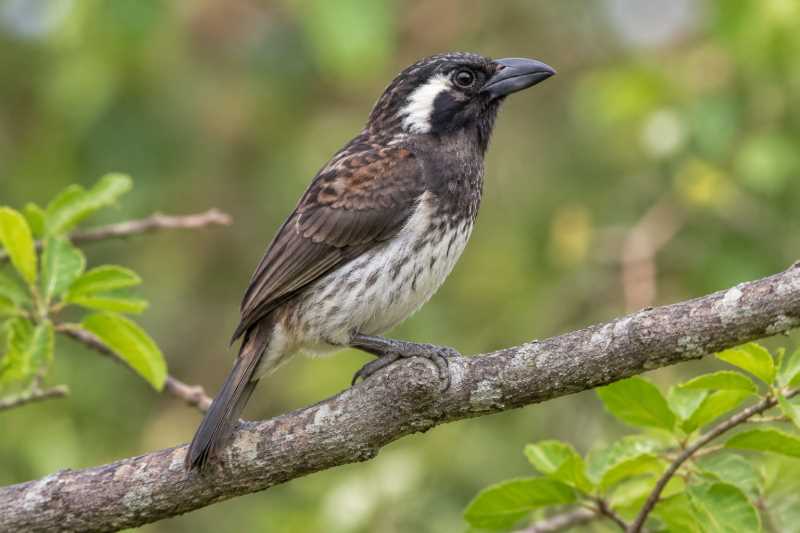
The White-eared Barbet is a medium-sized bird, typically measuring between 17 to 20 centimeters in length. Its plumage is predominantly olive-brown with a subtle hint of green, which helps it blend seamlessly into the dense forest canopy. One of the defining features of this barbet is the striking white patch located just behind its eyes, giving it its common name. The beak is robust and slightly curved, designed for its omnivorous diet.
The bird’s wings are relatively short but powerful, allowing for agile movement through the trees. Its tail feathers are short, aiding in balance during flight and while perching. The White-eared Barbet’s eyes are a deep brown, exuding an intelligent and observant demeanor. Sexual dimorphism is minimal, with males and females exhibiting similar physical characteristics.
Habitat and Distribution
The White-eared Barbet is predominantly found in the tropical and subtropical forests of East Africa. It thrives in both lowland and montane forests, favoring areas with abundant fruit-bearing trees and dense foliage. Countries such as Kenya, Tanzania, Uganda, and Rwanda boast significant populations of this species.
The bird’s preference for forested environments makes it a crucial component of these ecosystems. It plays a vital role in seed dispersal due to its frugivorous diet, contributing to the propagation of various tree species.
Behavior and Social Structure
White-eared Barbets are known for their social nature, often found in small family groups or pairs. They are highly vocal birds, using a range of calls to communicate with one another. These calls serve multiple purposes, including mating rituals, territorial defense, and alerting others to the presence of predators.
Their flight is characterized by quick, direct movements interspersed with gliding. This agility allows them to navigate the complex network of branches and foliage effortlessly. When foraging, they exhibit a methodical approach, often inspecting tree bark and foliage for insects and fruit.
Diet and Feeding Habits
The White-eared Barbet is omnivorous, with a diet primarily composed of fruits and insects. Figs, berries, and other soft fruits form the bulk of their diet, supplemented by insect larvae and small invertebrates. Their robust beak is well-adapted for breaking into tough-skinned fruits and extracting insects from crevices.
Feeding often occurs in the early morning or late afternoon when temperatures are cooler, and food sources are more abundant. The bird’s role as a seed disperser is essential for maintaining the health and diversity of its forest habitat.
Reproduction and Lifespan
Breeding typically occurs during the wet seasons, aligning with the abundance of food. The White-eared Barbet is a cavity nester, often utilizing natural tree cavities or abandoned nests of other bird species. Both males and females participate in the excavation of nesting sites and the care of their young.
Clutch sizes usually range from two to four eggs, with incubation lasting around two weeks. After hatching, the fledglings remain in the nest for several weeks, receiving care and feeding from both parents. Once they leave the nest, juvenile birds stay with their parents for some time, learning essential survival skills.
Conservation Status and Efforts
Currently, the White-eared Barbet is listed as a species of Least Concern by the International Union for Conservation of Nature (IUCN). However, ongoing habitat destruction due to deforestation and agricultural expansion poses a significant threat to their populations.
Conservation efforts focus on preserving forest habitats and promoting sustainable land-use practices. Initiatives such as community-based forest management and eco-tourism play a critical role in raising awareness and funding for conservation projects.
Conclusion
The White-eared Barbet is a testament to the incredible biodiversity found within Africa’s forests. Its unique characteristics and ecological role highlight the importance of preserving these environments. By understanding and protecting the White-eared Barbet, we contribute to the broader effort of safeguarding our planet’s natural heritage.
In conclusion, the White-eared Barbet is not only a bird of remarkable beauty but also an essential component of its ecosystem. Through continued conservation efforts and responsible environmental stewardship, we can ensure that future generations will have the opportunity to marvel at this extraordinary species.
Related posts