The Enigmatic Green-backed Whistler: A Conservation Icon of the Indonesian Archipelago
The Green-backed Whistler (Pachycephala albiventris) is a captivating songbird that enchants both birdwatchers and ornithologists with its striking appearance and melodious calls. Native to the lush forests of Indonesia, this avian gem is a member of the Pachycephalidae family, a diverse group of songbirds known for their vibrant plumage and distinctive vocalizations. In this article, we delve into the fascinating world of the Green-backed Whistler, exploring its habitat, behavior, and the conservation challenges it faces.
Taxonomy and Description
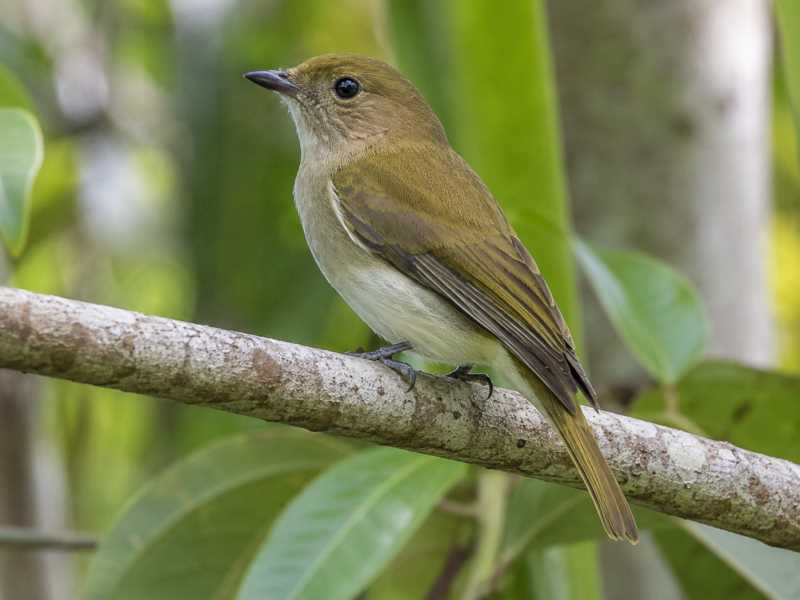
The Green-backed Whistler was first described in the mid-19th century and has since been a subject of interest for naturalists and bird enthusiasts. Its scientific name, Pachycephala albiventris, reflects its notable physical features. The species is characterized by its striking green back, which stands in contrast to its white underparts, hence the name “albiventris” meaning “white-bellied.” The male and female are similar in appearance, although males are often slightly brighter in coloration.
The bird’s robust body and stout bill are typical of the Pachycephalidae family. It measures approximately 17 to 19 centimeters in length, making it a medium-sized passerine. The Green-backed Whistler’s plumage is not only a visual delight but also serves as a form of camouflage against the lush green foliage of its forest habitat.
Habitat and Distribution
The Green-backed Whistler is endemic to Indonesia, with its range primarily restricted to the islands of Java and Bali. It thrives in montane and submontane forests, where it can be found at elevations ranging from 800 to 2,400 meters above sea level. These birds prefer dense, humid forests, which provide ample cover and food resources.
Their habitat is characterized by rich biodiversity, and the Green-backed Whistler often shares its environment with other bird species, mammals, and an array of plant life. The forests of Java and Bali are renowned for their ecological significance, hosting numerous endemic and endangered species.
Behavior and Diet
Green-backed Whistlers are known for their shy and elusive nature, often remaining hidden within the canopy of their forest homes. They are primarily insectivorous, feeding on a diet of insects and other small invertebrates. Their feeding habits play a crucial role in maintaining the ecological balance of their habitat, as they help control insect populations.
These birds are also recognized for their melodious and varied vocalizations. Their calls, which include whistles and trills, are not only a means of communication but also serve as a way to establish territory and attract mates. The Green-backed Whistler’s song adds to the rich soundscape of the Indonesian forests, making it a favorite among birdwatchers and nature enthusiasts.
Reproduction and Lifespan
The breeding season for the Green-backed Whistler typically occurs during the rainy months, when food resources are abundant. The species is monogamous, with pairs forming long-term bonds. They build cup-shaped nests from twigs, moss, and leaves, often concealed within the dense foliage of trees.
Females lay a clutch of two to three eggs, which are incubated by both parents. The chicks hatch after approximately two weeks and are cared for by both parents until they fledge. The parental investment in raising young is high, ensuring that the chicks have the best chance of survival in their challenging environment.
Conservation Status and Threats
Despite its enchanting presence, the Green-backed Whistler faces several conservation challenges. The primary threat to its survival is habitat loss due to deforestation and land conversion for agriculture and urban development. The forests of Java and Bali have been significantly reduced, leading to habitat fragmentation and degradation.
The International Union for Conservation of Nature (IUCN) currently lists the Green-backed Whistler as “Near Threatened,” indicating that it is at risk of becoming endangered if current trends continue. Conservation efforts are crucial to preserving the remaining forest habitats and ensuring the survival of this species.
Conservation Efforts and Future Prospects
Conservation organizations and local governments in Indonesia are working to protect the habitats of the Green-backed Whistler and other endemic species. Efforts include establishing protected areas, promoting sustainable land-use practices, and raising awareness about the importance of biodiversity.
Community involvement is also essential, as local communities play a vital role in conservation efforts. By promoting eco-tourism and sustainable livelihoods, conservationists aim to create incentives for preserving the natural environment.
The Green-backed Whistler stands as a symbol of the rich biodiversity found in Indonesia’s forests. Its survival depends on the collective efforts of conservationists, governments, and local communities. By preserving its habitat and addressing the threats it faces, we can ensure that future generations will continue to be enchanted by the song and beauty of this remarkable bird.
In conclusion, the Green-backed Whistler is more than just a bird; it is an integral part of its ecosystem and a symbol of the natural heritage of Indonesia. Protecting it is a testament to our commitment to preserving the world’s biodiversity for future generations.
—
Related posts