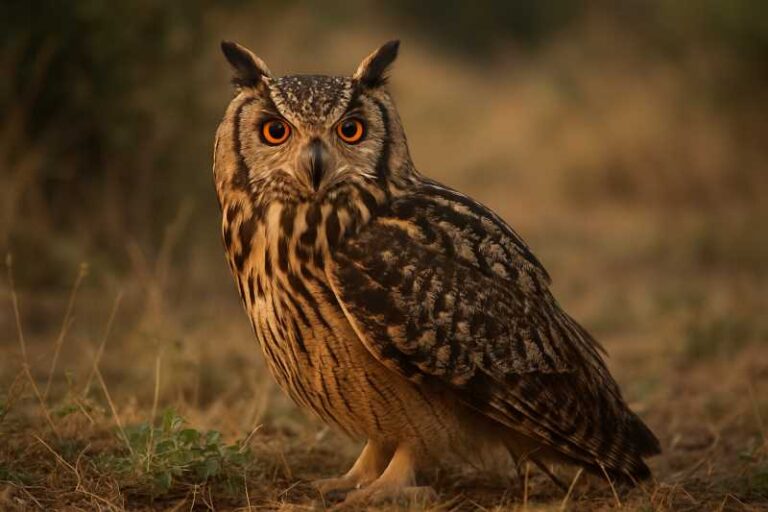
The Striated Caracara: A Rare and Fascinating Raptor of the Southern Hemisphere
The Striated Caracara (Phalcoboenus australis), also known as the Johnny Rook, is a bird of prey that captivates ornithologists and bird enthusiasts alike with its unique characteristics and intriguing behavior. Found primarily in the Falkland Islands and on select islands off the southern coast of South America, the Striated Caracara is one of the southernmost distributed raptors in the world. This article delves into the distinct features, habitat, and conservation status of this remarkable bird.
Physical Characteristics
The Striated Caracara is a medium-sized bird of prey, measuring about 55 to 65 cm in length with a wingspan ranging from 110 to 125 cm. It is distinguished by its dark plumage, which is primarily blackish-brown with pale streaks or striations, giving the bird its name. The adult birds have a striking appearance with their bright orange facial skin and legs, contrasting sharply with their darker feathers. The juvenile birds, on the other hand, have duller plumage and less vibrant coloring on their legs and face.
These birds possess a robust and hooked beak, adapted for scavenging, and sharp talons that aid in gripping their prey. Their wings are broad and rounded, designed for soaring and maneuvering in the strong winds that often buffet their coastal habitats.
Habitat and Distribution
The Striated Caracara is primarily found in the Falkland Islands, where it is a resident species. A small population also inhabits the rugged, remote islands off the southern coast of Argentina and Chile. These birds prefer open landscapes such as coastal plains, rocky shores, and tussock grasslands, where they can easily hunt and scavenge for food.
Their preference for isolated and harsh environments limits their distribution, but it also provides them with a niche where they face relatively few natural predators. These habitats are often subject to extreme weather conditions, including high winds and cold temperatures, which the Striated Caracara is well-adapted to withstand.
Behavior and Diet
One of the most fascinating aspects of the Striated Caracara is its intelligence and curiosity. These birds are highly inquisitive and are often observed investigating objects and exploring their surroundings with great interest. This behavior has earned them a reputation as one of the most intelligent bird species, comparable to crows and ravens.
Their diet is varied and opportunistic, consisting mainly of carrion, but they are also known to hunt for small mammals, birds, insects, and even intertidal invertebrates. The Striated Caracara’s scavenging habits make them an essential part of their ecosystem, as they help in the decomposition process and nutrient cycling.
Breeding and Lifespan
The breeding season for the Striated Caracara typically begins in October and runs through January. They build their nests on rocky outcrops or in tussock grass, often in areas that provide a good vantage point and protection from the elements. The nests are constructed from twigs, grass, and other available materials.
Females usually lay two to four eggs, which are incubated for about 30 to 35 days. Both parents participate in feeding and caring for the chicks, which fledge approximately 45 to 50 days after hatching. The Striated Caracara reaches sexual maturity at around five years of age and can live up to 25 years in the wild.
Conservation Status and Threats
Currently, the Striated Caracara is classified as Near Threatened by the International Union for Conservation of Nature (IUCN). The primary threats to their population include habitat degradation, human disturbance, and the potential impacts of climate change.
In the past, these birds faced persecution from farmers who viewed them as a threat to livestock, particularly sheep. However, this perception has changed over the years, and conservation efforts have helped stabilize their populations in some areas.
Efforts to protect the Striated Caracara include habitat preservation and research initiatives aimed at better understanding their ecology and behavior. Raising awareness and promoting eco-tourism in the regions they inhabit can also contribute to their conservation by highlighting their ecological importance and unique characteristics.
Conclusion
The Striated Caracara is a remarkable raptor that continues to intrigue scientists and bird watchers with its intelligence and adaptability. Despite facing several challenges, the future of this Near Threatened species depends on continued conservation efforts and increased understanding of its ecological role. By safeguarding their habitats and promoting sustainable practices, we can ensure that the Striated Caracara remains an integral part of the southern hemisphere’s biodiversity for generations to come.
Related posts