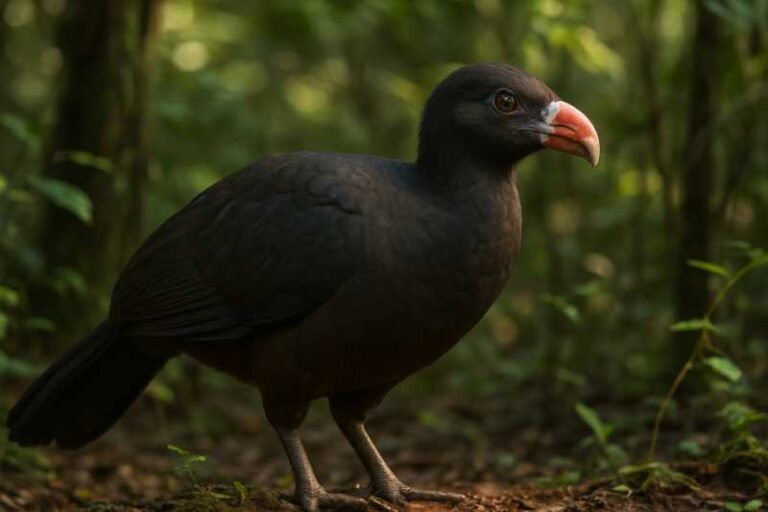
The Enigmatic Beauty of the Flat-billed Kingfisher (Todiramphus recurvirostris)
The Flat-billed Kingfisher, scientifically known as Todiramphus recurvirostris, is a mesmerizing avian species that captivates bird enthusiasts and ornithologists alike. This striking bird, with its vivid plumage and distinctive flat bill, is a member of the Alcedinidae family and is native to the pristine forests of the Solomon Islands. Its unique features and behaviors make it a subject of intrigue and admiration, as well as a symbol of the rich biodiversity found in this Pacific archipelago.
Taxonomy and Classification
Classified under the genus Todiramphus, the Flat-billed Kingfisher shares its lineage with several other kingfisher species throughout the Indo-Pacific region. The genus name, ‘Todiramphus,’ is derived from Greek, meaning ‘king of the sea,’ which is fitting given the water-associated habitats many kingfishers occupy. The species epithet ‘recurvirostris’ refers to its distinctively shaped bill, which is flatter and more curved than those of its relatives.
Physical Description
The Flat-billed Kingfisher is a medium-sized bird, measuring approximately 23 to 25 centimeters in length. Its plumage is a vibrant mix of colors, with a deep blue crown and upperparts that contrast vividly against its white throat and underparts. The wings are adorned with a combination of blue and black, adding to its striking appearance. However, the most distinguishing feature is its peculiar flat bill, which is broader and more curved than typical kingfishers, potentially an adaptation to its feeding habits and ecological niche.
Habitat and Distribution
This kingfisher species is endemic to the Solomon Islands, where it inhabits lowland and montane forests, mangroves, and coastal areas. The Solomon Islands, comprising a chain of islands in the western Pacific Ocean, provide a lush and diverse environment that supports the kingfisher’s life cycle. The bird’s preference for dense forest cover and proximity to water bodies underscores its reliance on these habitats for foraging and nesting.
Behavior and Diet
The Flat-billed Kingfisher is predominantly insectivorous, feeding on a diet comprised mainly of insects, small crustaceans, and occasionally small vertebrates. Its foraging behavior involves perching silently on a branch, scanning for prey, before darting swiftly to capture its meal. This hunting technique is facilitated by its exceptional vision and rapid flight capabilities. Additionally, its flat bill is believed to aid in manipulating and capturing prey with precision.
Reproduction and Lifespan
Breeding season for the Flat-billed Kingfisher coincides with the wet season in the Solomon Islands, typically from November to April. During this period, pairs are observed engaging in courtship displays, which include vocalizations and aerial acrobatics. Nests are usually built in tree cavities or abandoned termite mounds, where the female lays a clutch of two to four eggs. Both parents partake in incubating the eggs and feeding the chicks, ensuring their survival in the early stages of life. The lifespan of this kingfisher species in the wild remains largely undocumented, but similar species can live up to 6-10 years.
Conservation Status and Threats
Currently, the Flat-billed Kingfisher is listed as Near Threatened on the IUCN Red List, primarily due to habitat loss and degradation. Deforestation for logging and agricultural expansion poses a significant threat to its natural habitat, reducing the availability of suitable nesting and foraging sites. Conservation efforts are crucial to ensure the survival of this species, including habitat protection and sustainable land-use practices.
The Importance of Conservation
Preserving the Flat-billed Kingfisher is not only vital for maintaining the ecological balance within its habitat but also for the cultural heritage of the Solomon Islands. This bird serves as an indicator species, reflecting the health of its environment. Efforts to safeguard its habitat can have far-reaching benefits, supporting biodiversity and the overall resilience of these island ecosystems.
Conclusion
The Flat-billed Kingfisher is a testament to the unique and diverse avian life that thrives in the Solomon Islands. Its vibrant appearance and ecological role underscore the significance of preserving such species as part of our global natural heritage. By raising awareness and supporting conservation initiatives, we can contribute to the protection of this captivating bird and ensure its presence for future generations to admire and study.
Related posts