The Enigmatic Cundinamarca Antpitta: A Jewel of Colombian Avifauna
The Cundinamarca Antpitta (Grallaria kaestneri) is a captivating species that has captured the attention of ornithologists and bird enthusiasts alike. Endemic to the Andean region of Colombia, this elusive bird symbolizes the rich biodiversity found within the country’s cloud forests. Known for its secretive nature and melodious calls, the Cundinamarca Antpitta is a prime example of the unique avian life supported by Colombia’s diverse ecosystems.
Habitat and Distribution
The Cundinamarca Antpitta is primarily found in the subtropical and tropical moist montane forests of Colombia’s Eastern Andes. These forests, characterized by lush vegetation and a perpetually moist climate, provide the ideal habitat for the species. The bird is usually spotted at elevations ranging from 2,400 to 3,200 meters.
These regions are often shrouded in mist, creating an ethereal environment that suits the antpitta’s elusive nature. The dense undergrowth and canopy layers of these forests offer ample cover and feeding grounds for the species, which tends to stay hidden from view as it forages for insects and other small invertebrates.
Physical Characteristics
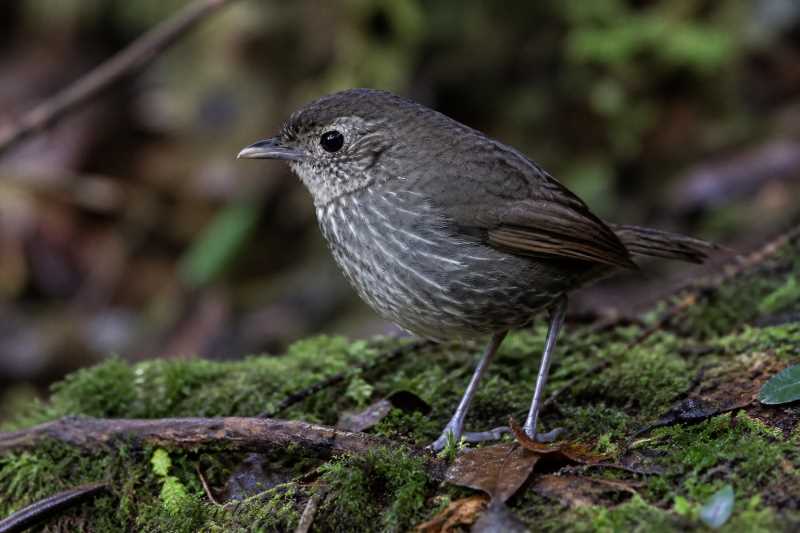
The Cundinamarca Antpitta is a medium-sized bird, measuring approximately 18 centimeters in length. It boasts a robust body and long legs, adaptations that aid in navigating the dense understory of its forest habitat. The plumage of the Cundinamarca Antpitta is predominantly olive-brown, with subtle streaks and a paler underbelly, allowing it to blend seamlessly into its surroundings.
One of the most distinctive features of this bird is its striking eye-ring, a prominent white circle that contrasts with its otherwise muted coloration. This feature, along with its melodious call, makes it a standout among its more cryptic relatives within the Grallaria genus.
Behavior and Ecology
The Cundinamarca Antpitta is known for its shy and secretive behavior, often heard before it is seen. It communicates through a series of melodious whistles that echo through the forest, a sound that is both haunting and beautiful. These calls serve as a means of territory establishment and mate attraction.
The antpitta is primarily terrestrial, spending much of its time on the forest floor where it forages for food. Its diet consists mainly of insects, spiders, and other small invertebrates, which it skillfully extracts from the leaf litter and soil. This reliance on a specific diet underscores the importance of maintaining the health of its forest habitat.
Conservation Status
The Cundinamarca Antpitta is currently classified as Vulnerable by the International Union for Conservation of Nature (IUCN). The primary threat facing this species is habitat loss due to deforestation for agriculture, logging, and human settlement expansion. The cloud forests of Colombia are under immense pressure, with large swathes being cleared at an alarming rate.
Efforts to conserve the Cundinamarca Antpitta are ongoing, with several initiatives focusing on habitat preservation and restoration. Local and international conservation organizations are working to protect critical areas of forest and promote sustainable land-use practices that can coexist with the needs of local communities.
Importance of Conservation
The conservation of the Cundinamarca Antpitta is not only crucial for the survival of the species itself but also for the broader ecological health of the region. As an indicator species, the presence of the antpitta reflects the overall health of the ecosystem. Protecting its habitat ensures the preservation of countless other species that share its environment.
Moreover, the cloud forests of Colombia are vital for global biodiversity and climate regulation. These forests act as carbon sinks, play a key role in water cycles, and support an array of flora and fauna. By safeguarding the Cundinamarca Antpitta, we are also safeguarding these essential ecological services.
Conclusion
The Cundinamarca Antpitta is a testament to the extraordinary biodiversity found in Colombia’s Andean forests. Its survival hinges on our ability to protect and restore its natural habitat. Through concerted conservation efforts and increased awareness, there is hope that this enchanting bird will continue to sing its haunting melodies for generations to come.
In celebrating the Cundinamarca Antpitta, we embrace the rich natural heritage of Colombia and reaffirm our commitment to preserving the planet’s invaluable ecosystems.
Related posts