The Shiny Whistling Thrush: A Jewel of the Avian World
The Shiny Whistling Thrush (Myophonus melanurus), a captivating member of the Muscicapidae family, is a bird that commands attention with its iridescent plumage and melodious calls. Found predominantly in the high-altitude forests of South Asia, particularly in regions of the Western Ghats in India and Sri Lanka, this bird is a testament to the rich biodiversity of these ecosystems. In this article, we explore the unique characteristics, habitat, behavior, and conservation status of the Shiny Whistling Thrush.
Physical Characteristics
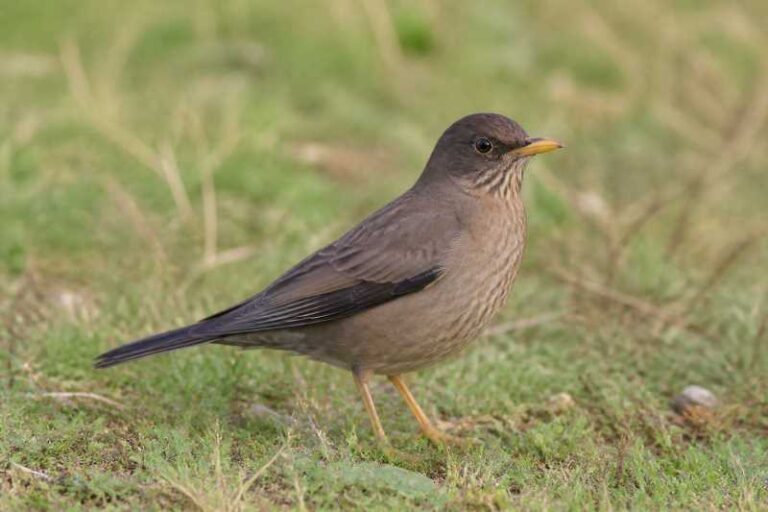
The Shiny Whistling Thrush is renowned for its striking appearance. Measuring approximately 25-30 cm in length, this bird boasts a shimmering blue-black plumage that changes hue depending on the light. Its glossy feathers are its most distinctive feature, appearing almost metallic under sunlight. The bird’s eyes are a piercing yellow, providing a stark contrast to its dark feathers, and it possesses a robust, slightly curved bill, adapted for its omnivorous diet.
Habitat and Distribution
This species thrives in the montane forests and foothills, where it prefers dense, moist environments. The Western Ghats, a UNESCO World Heritage site, provide an ideal habitat due to their rich undergrowth and perennial streams. These areas not only offer ample food sources but also nesting sites. The bird is also found in the hill regions of Sri Lanka, where it inhabits similar ecological niches.
The Shiny Whistling Thrush is primarily a resident bird, although some local migrations are observed, likely in response to altitudinal changes and food availability. Its preference for secluded, undisturbed habitats makes it less visible to casual observers, adding an element of mystery to its existence.
Feeding Habits
This thrush is omnivorous, with a diet comprising insects, small vertebrates, and a variety of fruits and berries. Its strong beak is instrumental in foraging through leaf litter and breaking into tougher food items. Interestingly, the bird is known to frequent streams and waterfalls, where it exhibits unique foraging behavior, such as turning over stones to uncover hidden prey.
The Shiny Whistling Thrush’s feeding habits are indicative of its role in controlling insect populations and aiding seed dispersal, highlighting its ecological importance.
Vocalizations and Behavior
One of the most enchanting aspects of the Shiny Whistling Thrush is its vocal prowess. Known for its melodious whistles and calls, this bird is often heard before it is seen. Its song is a complex series of notes that can vary between individuals, contributing to its allure among bird watchers and researchers alike.
Behaviorally, the Shiny Whistling Thrush is solitary or found in pairs, especially during the breeding season. The bird is territorial, often seen chasing away intruders with a display of aggression, which includes puffing up its feathers and emitting loud calls.
Breeding and Nesting
The breeding season of the Shiny Whistling Thrush typically spans from March to June. During this period, they construct cup-shaped nests using twigs, moss, and leaves. These nests are usually located in secluded areas, such as rock crevices or in dense foliage, to protect the young from predators.
The female lays a clutch of two to three eggs, which she incubates diligently. After hatching, both parents are involved in feeding and caring for the chicks until they fledge, highlighting a strong pair bond and parental cooperation.
Conservation Status
Currently, the Shiny Whistling Thrush is listed as a species of Least Concern by the International Union for Conservation of Nature (IUCN). However, like many avian species, it faces threats from habitat destruction, primarily due to deforestation and human encroachment. Conservation efforts in regions like the Western Ghats are crucial to preserving the natural habitats that sustain this species.
The bird’s presence is often an indicator of a healthy ecosystem, making its conservation pivotal not just for its own survival, but also for the broader ecological community.
Conclusion
The Shiny Whistling Thrush is more than just a visual and auditory delight; it is a vital component of its natural habitat. Its unique characteristics and behaviors make it a subject of interest for ornithologists and nature enthusiasts alike. As we strive for environmental conservation, the Shiny Whistling Thrush serves as a reminder of the intricate beauty and complexity of the natural world, underscoring the need for sustainable practices to ensure these avian wonders continue to thrive.
In appreciating and protecting such species, we not only safeguard biodiversity but also enrich our understanding of the world’s ecological tapestry.
Related posts