The Enigmatic São Tomé White-eye: A Jewel of Biodiversity
Introduction
Nestled in the heart of the Gulf of Guinea lies the island of São Tomé, a veritable Eden of biodiversity. Among the island’s unique inhabitants is the São Tomé White-eye (Zosterops feae), a small bird that has captured the attention of ornithologists and conservationists alike. This article delves into the fascinating world of the São Tomé White-eye, exploring its habitat, behavior, conservation status, and the challenges it faces in the modern world.
A Glimpse into São Tomé’s Avian Diversity
São Tomé is part of the São Tomé and Príncipe archipelago, a region renowned for its rich avian diversity. The São Tomé White-eye is one of the many endemic species that call this biodiverse hotspot home. Named after the Italian naturalist Leonardo Fea, who collected specimens in the late 19th century, this species is a testament to the island’s evolutionary marvels.
Physical Characteristics
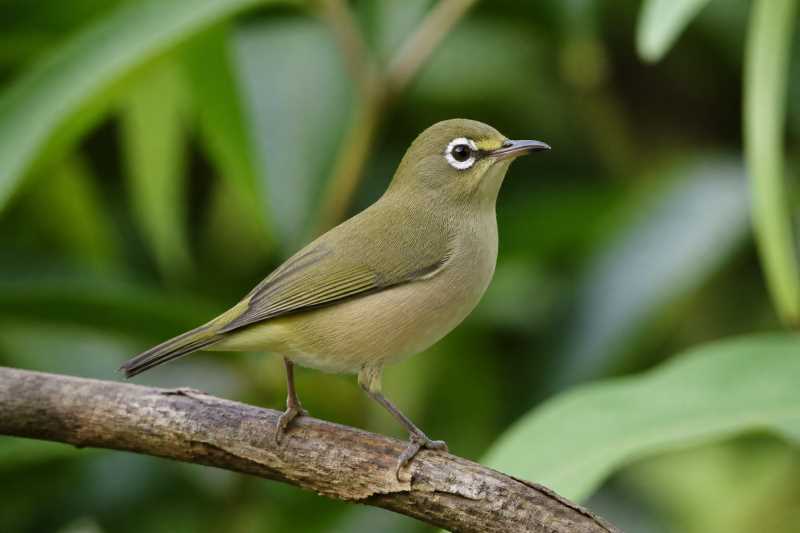
The São Tomé White-eye is a small, agile bird, typically measuring around 11 centimeters in length. It is adorned with olive-green plumage that provides excellent camouflage in its forested habitat. As its name suggests, the bird is characterized by a distinctive white ring around its eyes, a feature that makes it easily identifiable.
Habitat and Distribution
The bird’s habitat is primarily confined to the montane and submontane forests of São Tomé, where it thrives in the humid, lush environment. It is typically found at elevations ranging from 800 to 2,000 meters, where the dense canopy offers ample foraging opportunities. The São Tomé White-eye prefers areas with a rich understory, which provides both food and shelter.
Behavior and Diet
São Tomé White-eyes are known for their social behavior, often seen in small flocks as they flit through the trees. They are highly active foragers, primarily feeding on insects, nectar, and small fruits. Their feeding habits play a crucial role in the ecosystem, aiding in both pollination and seed dispersal.
Breeding and Life Cycle
The breeding season for the São Tomé White-eye typically occurs during the rainy months when food is abundant. Nesting usually takes place in dense foliage, where the female lays a clutch of two to three eggs. Both parents are involved in nurturing the young, which fledge after about two weeks. The species’ relatively short breeding cycle helps maintain population numbers despite environmental pressures.
Conservation Status
The São Tomé White-eye is currently classified as Near Threatened on the IUCN Red List. The primary threats to its survival include habitat loss due to agriculture, logging, and infrastructure development. Additionally, introduced species pose a risk by competing for resources and preying on eggs and young birds.
Conservation Efforts
Efforts to preserve the São Tomé White-eye focus on habitat protection and restoration. Conservation organizations, both local and international, are working to establish protected areas that safeguard critical habitats. Public awareness campaigns aim to highlight the importance of preserving São Tomé’s unique biodiversity.
Challenges and Future Prospects
Despite ongoing conservation efforts, the São Tomé White-eye faces numerous challenges. Climate change poses a significant threat, potentially altering the delicate balance of its montane forest habitat. Furthermore, socio-economic pressures on the island necessitate sustainable development practices that balance human needs with environmental preservation.
Conclusion
The São Tomé White-eye is more than just a bird; it is a symbol of the ecological richness of São Tomé. Protecting this species requires a concerted effort from all stakeholders, including governments, conservationists, and local communities. By safeguarding the São Tomé White-eye, we contribute to the preservation of a unique and irreplaceable natural heritage, ensuring that future generations can marvel at the wonders of this island ecosystem.
Related posts