Introduction
The Rough-legged Tyrannulet (Acrochordopus burmeisteri) is a small yet remarkable bird species that captures the interest of ornithologists and bird enthusiasts alike. Belonging to the Tyrannidae family, this bird is a testament to the rich biodiversity of the Neotropical region. Its unique characteristics and behavior make it a subject of significant ecological and environmental interest.
Taxonomy and Classification
The Rough-legged Tyrannulet is scientifically known as Acrochordopus burmeisteri. It falls under the order Passeriformes, which is the largest order of birds, encompassing more than half of the world’s bird species. The Tyrannidae family, to which this species belongs, includes an array of small to medium-sized birds known as tyrant flycatchers. The genus Acrochordopus is particularly noted for its distinctive morphological features.
Physical Characteristics
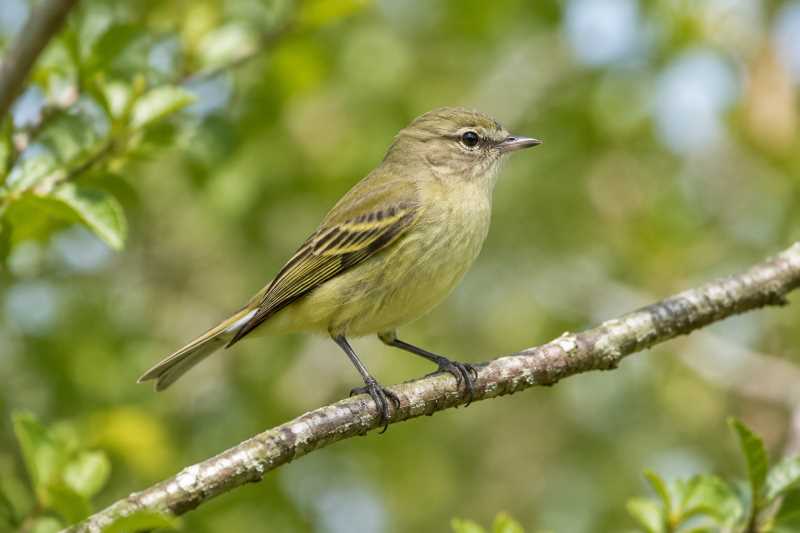
This diminutive bird measures approximately 11 to 12 centimeters in length and weighs around 8 to 10 grams. It boasts a primarily olive-green plumage with a notable rough texture on its legs, which gives the bird its common name. The Rough-legged Tyrannulet also features a short bill, suitable for its insectivorous diet, and a slightly rounded tail. Its wings are relatively short, facilitating agile maneuverability through dense foliage.
Habitat and Distribution
The Rough-legged Tyrannulet is predominantly found in the subtropical and tropical moist lowland forests and montane forests of South America. It is particularly prevalent in countries such as Brazil, Argentina, Paraguay, and Uruguay. These birds prefer the understory and mid-levels of forests, where they can efficiently hunt for insects and other small invertebrates. The preservation of these habitats is crucial for the survival of the species, making conservation efforts vital.
Behavior and Ecology
The Rough-legged Tyrannulet is an active forager, spending much of its time flitting through leaves and branches in search of food. Its diet primarily consists of small insects and arthropods, which it captures with remarkable precision. The bird is known for its characteristic feeding behavior, often hovering momentarily before snatching prey from the underside of leaves.
In terms of social behavior, the Rough-legged Tyrannulet is generally solitary, although it may occasionally be seen in pairs or small family groups. During the breeding season, these birds are known to be particularly territorial, defending their nesting area from intruders with vocalizations and displays.
Vocalizations
The Rough-legged Tyrannulet communicates through a series of high-pitched calls and whistles, which play a critical role in territory establishment and mate attraction. Its vocalizations are a key aspect of its behavior, providing insight into its social interactions and breeding habits.
Reproduction
Breeding typically occurs during the spring and early summer months. The Rough-legged Tyrannulet constructs a small cup-shaped nest, usually situated in a concealed location within dense foliage. The female lays a clutch of two to three eggs, which she incubates for about two weeks. Both parents participate in feeding and caring for the chicks until they fledge.
Conservation Status
Currently, the Rough-legged Tyrannulet is classified as Least Concern by the International Union for Conservation of Nature (IUCN). However, like many forest-dwelling species, it faces threats from habitat destruction and fragmentation due to logging, agriculture, and urban development. Conservation efforts aimed at preserving forest habitats are essential to ensure the continued survival of this species and the many others that share its ecosystem.
Conclusion
The Rough-legged Tyrannulet is a fascinating example of avian adaptation and specialization. Its unique physical and behavioral traits highlight the incredible diversity of life within the Neotropical forests. As with many species, understanding and protecting its habitat is crucial for maintaining ecological balance and biodiversity. Through continued research and conservation efforts, we can hope to preserve this remarkable bird for future generations to appreciate and study.
References
To further explore the Rough-legged Tyrannulet and related topics, consider consulting resources such as:
- "Birds of South America" by Robert S. Ridgely and Guy Tudor
- Articles and updates from the International Union for Conservation of Nature (IUCN)
- Research journals focusing on ornithology and tropical ecology.
Related posts