Introduction
The Formosan Ferret-badger (Melogale subaurantiaca) is a small carnivorous mammal belonging to the Mustelidae family. This intriguing species is endemic to Taiwan and is an essential part of the island’s unique biodiversity. Formosan Ferret-badgers are often recognized for their distinctive appearance and play a crucial role in their ecosystem as both predator and prey. In recent years, interest in the species has grown, partly due to its ecological importance and the conservation concerns surrounding its habitat.
Physical Description
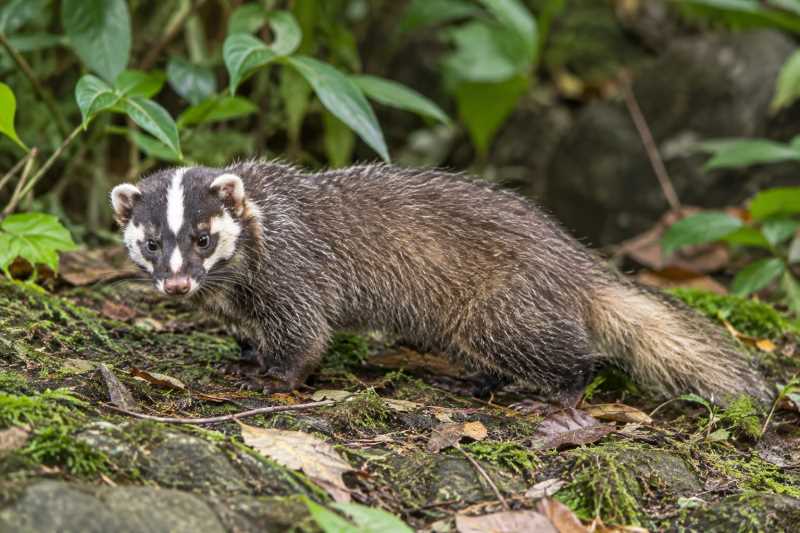
The Formosan Ferret-badger is a diminutive yet robust creature, exhibiting the typical elongated body shape characteristic of the Mustelidae family. Adults typically weigh between 1.5 to 3 kilograms and measure approximately 35 to 45 centimeters in body length, with a tail that adds an additional 15 to 20 centimeters. Their fur is predominantly grayish-brown, with a lighter underbelly and distinctive facial markings. These markings include a white stripe running from the snout over the head and down the neck, which is flanked by darker patches on each side, giving them a masked appearance. Their short legs and strong claws are well-adapted for digging, a trait that is vital for both foraging and creating burrows.
Range and Habitat
The Formosan Ferret-badger is endemic to Taiwan, primarily inhabiting the lowland forests and mountainous regions across the island. Its habitat ranges from subtropical and tropical moist broadleaf forests to secondary forests and agricultural areas. They are highly adaptable and can thrive in various environments, although they prefer areas with dense underbrush, which provides cover from predators and facilitates their nocturnal lifestyle. The wide availability of food and secluded areas for denning are crucial factors that influence their distribution within these habitats.
Behavior and Diet
Formosan Ferret-badgers are primarily nocturnal and solitary animals. They are known for their secretive nature and are rarely seen during the day. Their activity peaks during the night when they forage for food. The diet of the Formosan Ferret-badger is quite varied and includes insects, small mammals, bird eggs, fruits, and occasionally carrion. Their omnivorous diet plays a significant role in controlling insect populations and dispersing seeds, contributing to the ecological balance of their habitat.
Their behavior is marked by a strong territorial instinct, and they communicate through scent marking. They use anal gland secretions to mark their territory and convey information to other ferret-badgers. Vocalizations are also part of their communication repertoire, particularly during mating season and when they encounter threats.
Identification Tips (Field Recognition Cues)
Identifying the Formosan Ferret-badger in the field requires attention to several key characteristics:
- Facial Markings: Look for the distinctive white stripe on the head and the dark patches around the eyes.
- Body Size and Shape: Note their elongated body, short legs, and bushy tail.
- Fur Coloration: Observe the grayish-brown fur with a lighter underbelly.
- Behavior: Their nocturnal activity and solitary nature are important behavioral cues.
- Habitat: They are typically found in areas with dense vegetation and forest cover.
Conservation Status (With Threats and Protections)
The conservation status of the Formosan Ferret-badger is currently classified as "Least Concern" by the IUCN Red List. However, like many species endemic to small islands, they face several threats that could impact their population in the future. Habitat loss due to deforestation and land development poses a significant threat, as it reduces the available living space and food resources. Additionally, road mortality and hunting, although not widespread, can affect local populations.
Conservation efforts in Taiwan are focused on habitat preservation and reducing human-wildlife conflict. Protected areas and national parks offer some refuge for these animals, but continuous monitoring and research are necessary to ensure their long-term survival. Public education campaigns aim to raise awareness about the ecological role of the Formosan Ferret-badger and the importance of protecting their habitat.
Frequently Asked Questions
Why is this species unique?
The Formosan Ferret-badger is unique due to its endemic status, being found only in Taiwan. Its ecological role as both predator and seed disperser highlights its importance in maintaining the balance of its forest ecosystem.
What are the main threats to the Formosan Ferret-badger?
The primary threats include habitat loss due to deforestation, land development, and road mortality. Conservation efforts focus on habitat preservation and public education to mitigate these threats.
How can you identify a Formosan Ferret-badger in the wild?
Look for their distinctive facial markings, elongated body, and nocturnal behavior. They are usually found in areas with dense forest cover and prefer habitats with abundant underbrush.
What is their typical diet?
Formosan Ferret-badgers have an omnivorous diet, feeding on insects, small mammals, bird eggs, fruits, and carrion, which helps control insect populations and disperse seeds.
Are they dangerous to humans?
Formosan Ferret-badgers are generally not dangerous to humans. They are shy and prefer to avoid contact. However, like all wild animals, they should be observed from a safe distance and not disturbed.
Related posts