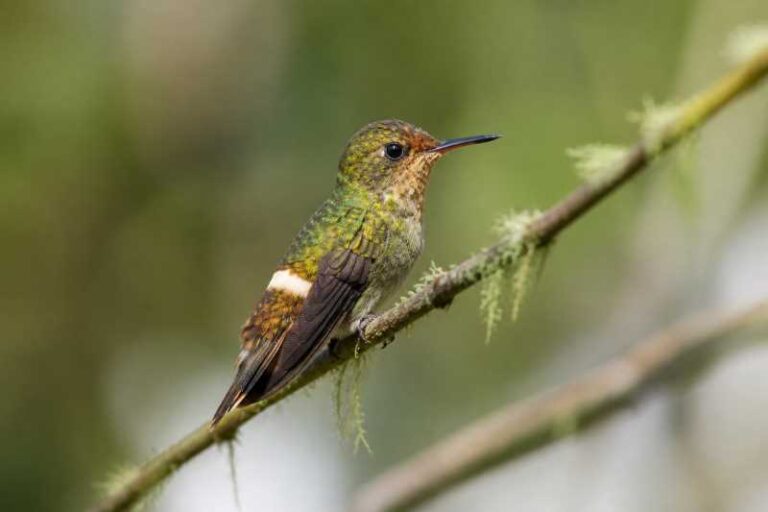
The Fascinating World of the Redpoll: A Comprehensive Guide
In the vast tapestry of avian diversity, few birds captivate birdwatchers and ornithologists quite like the Redpoll. These small, energetic finches, belonging to the genus Acanthis, are known for their vibrant plumage, dynamic behaviors, and impressive adaptability to harsh climates. This comprehensive guide delves into the fascinating world of the Redpoll, exploring their characteristics, habitat, behavior, and the conservation challenges they face.
Characteristics and Identification
Redpolls are small finches, generally measuring between 12 to 14 centimeters in length, with a wingspan of 20 to 25 centimeters. Their most distinguishing feature is the red patch on their forehead, which is more pronounced in males. This striking feature, from which they derive their name, contrasts with their otherwise brown and white plumage. The body is streaked with brown, while the underparts are typically whitish. During the breeding season, males often exhibit an additional rosy hue on their chest, enhancing their visual appeal.
There are several species of Redpolls, with the Common Redpoll (Acanthis flammea) and the Hoary Redpoll (Acanthis hornemanni) being the most recognized. Differentiating between these species can be challenging due to their similar appearance. However, the Hoary Redpoll generally has a paler appearance and a less streaked underbelly compared to its common counterpart.
Habitat and Distribution
Redpolls are predominantly found in the northern parts of North America and Eurasia, thriving in boreal and subarctic regions. They are well-adapted to cold environments, often seen flitting among birch and alder trees in search of seeds. During winter, they can migrate southwards, covering significant distances to find suitable feeding grounds.
Their adaptability to different habitats is remarkable. While they prefer the open, shrubby areas of the tundra and taiga, Redpolls are also known to inhabit urban areas, particularly during winter, where they can be spotted at bird feeders, much to the delight of bird enthusiasts.
Behavior and Diet
Redpolls are highly sociable birds, often seen in flocks that can number in the hundreds, especially during migration or when feeding. Their flight is characterized by rapid wing beats and undulating motion, a common trait among finches. They are also known for their acrobatic feeding techniques, often hanging upside down to extract seeds from catkins and cones.
The diet of a Redpoll primarily consists of seeds, with a preference for those of birch and alder trees. They have a unique adaptation for surviving cold weather: an expandable esophagus that allows them to store seeds temporarily. This adaptation enables them to feed quickly and retreat to sheltered areas where they can digest the seeds at leisure.
Conservation and Challenges
While Redpolls are currently not considered endangered, they face several challenges that could impact their populations. Climate change poses a significant threat, as it alters their natural habitats and affects food availability. Additionally, the fragmentation of their breeding grounds due to human activities can adversely affect their numbers.
Conservation efforts are crucial to ensuring the survival of these captivating birds. Maintaining and protecting their natural habitats, coupled with monitoring population trends, are essential strategies in preserving Redpoll populations. Bird enthusiasts can also contribute by providing suitable feeding stations during the winter months, helping these birds find food in urban settings.
Conclusion
The Redpoll is a testament to nature’s resilience and adaptability. Its vibrant plumage, lively behavior, and ability to thrive in some of the Earth’s harshest climates make it a subject of admiration and study. As we continue to explore and understand the complexities of avian life, the Redpoll remains a fascinating symbol of the delicate balance within ecosystems. By fostering awareness and promoting conservation efforts, we can ensure that these remarkable birds continue to grace our skies for generations to come.
Related posts