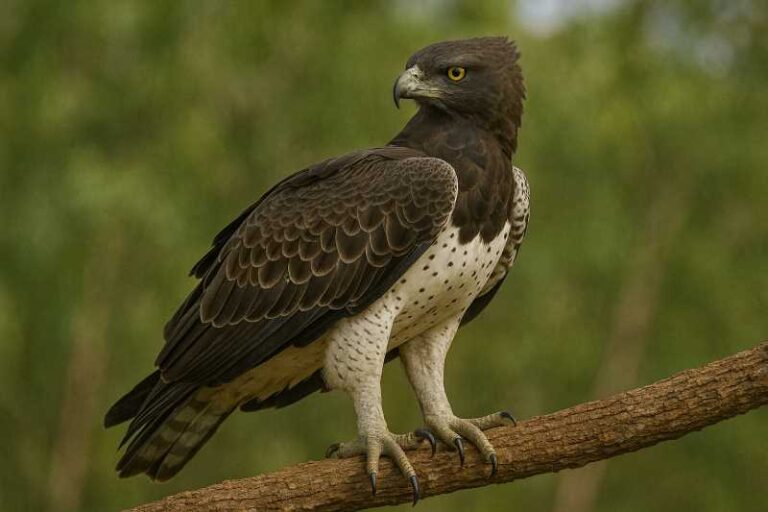
The Long-billed Murrelet (Brachyramphus perdix) is a fascinating seabird that has captured the attention of ornithologists and bird enthusiasts alike due to its unique characteristics and intriguing behaviors. This elusive bird is primarily found in the northern Pacific region, with its range extending from the coastlines of Eastern Russia to the western shores of North America. Known for its distinctive long bill and enigmatic lifestyle, the Long-billed Murrelet presents an interesting case study for avian researchers.
Historically, the Long-billed Murrelet was considered a subspecies of the Marbled Murrelet until genetic analyses in the 1990s revealed sufficient differences to warrant its classification as a distinct species. This discovery underscored the importance of genetic research in understanding avian biodiversity and speciation. The Long-billed Murrelet is closely related to the Marbled Murrelet, yet it boasts several distinguishing features beyond its namesake bill.
The plumage of the Long-billed Murrelet is primarily dark brown with lighter underparts, providing excellent camouflage against the rocky coastlines and open seas where it resides. This bird is adapted to a life at sea, spending the majority of its time in marine environments. Its diet consists mainly of small fish and invertebrates, which it captures with remarkable agility and speed. The Long-billed Murrelet is a proficient diver, capable of reaching impressive depths in pursuit of its prey.
Breeding habits of the Long-billed Murrelet are particularly noteworthy. Unlike many seabirds that nest in large colonies, this species often nests solitarily or in small groups. It selects remote and inaccessible areas, such as old-growth forests or isolated coastal cliffs, to lay its eggs. The nesting sites are carefully chosen to minimize the risk of predation and human disturbance. During the breeding season, these birds undertake extensive inland flights from their marine feeding grounds to their nesting sites, a behavior that continues to intrigue researchers.
Conservation status of the Long-billed Murrelet varies across its range. While it is not currently listed as endangered, habitat degradation and climate change pose significant threats to its populations. The loss of old-growth forests, crucial for nesting, and the warming of ocean temperatures, affecting food availability, are primary concerns. Conservation efforts are focused on protecting critical habitats and mitigating the impacts of climate change to ensure the survival of this unique seabird.
The Long-billed Murrelet also serves as an indicator species, providing valuable insights into the health of marine and coastal ecosystems. Its presence and population trends can reflect changes in environmental conditions, making it an important species for ecological monitoring. Researchers continue to study the Long-billed Murrelet to better understand its ecological role and the challenges it faces in a rapidly changing world.
In conclusion, the Long-billed Murrelet is a remarkable species that exemplifies the complexity and beauty of avian life. Its unique adaptations, intriguing behaviors, and conservation challenges highlight the need for continued research and conservation efforts. As scientists and conservationists work to protect the Long-billed Murrelet and its habitat, they contribute to the broader understanding of marine biodiversity and the preservation of our planet’s natural heritage.
Related posts