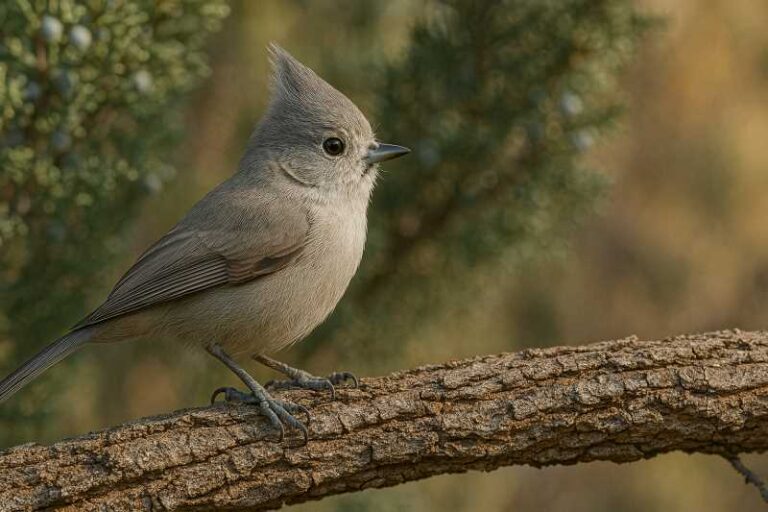
The Red-throated Bee-eater: A Jewel of African Skies
The Red-throated Bee-eater, scientifically known as *Merops bulocki*, is a captivating avian species that enchants birdwatchers and nature enthusiasts alike. With its vibrant plumage, agile flight, and fascinating social behavior, this species is a vital part of the ecosystems it inhabits. Native to the savannas and open woodlands of sub-Saharan Africa, the Red-throated Bee-eater plays a crucial role in controlling insect populations, particularly bees and wasps, which are its primary food sources.
Physical Characteristics
The Red-throated Bee-eater is unmistakably beautiful, adorned with a dazzling array of colors that shimmer under the African sun. Adult individuals typically measure about 22 to 24 cm in length, including their long, slender tail feathers. The species is characterized by a distinctive red throat, which stands out against its otherwise vibrant green and blue plumage. The head is crowned with a metallic green cap, while the back and wings exhibit shades of brown and green. The underbelly is pale, providing a subtle contrast to the more vivid colors. Their slender, slightly curved bill is perfectly adapted for catching insects in flight, making them agile hunters.
Habitat and Distribution
The Red-throated Bee-eater is primarily found in the savannas and open woodlands of West and Central Africa, with its range extending from Senegal and Gambia in the west, through Nigeria, and as far east as the Nile in Sudan. These birds favor habitats that offer a mix of open spaces for hunting and riverbanks or sandy banks for nesting. They are often seen in proximity to water bodies, which not only support a rich insect population but also provide ideal nesting sites.
Behavior and Diet
True to its name, the Red-throated Bee-eater primarily feeds on bees, wasps, and other flying insects, which it catches with remarkable precision in mid-air. These birds have developed a unique method of removing the stingers from their prey. Before consuming a bee or wasp, the bee-eater will repeatedly strike it against a hard surface to neutralize the venom. This behavioral adaptation demonstrates the bird’s evolutionary prowess in dealing with potentially harmful prey.
Red-throated Bee-eaters are social creatures, often seen in small flocks or family groups. They are known for their cooperative breeding behavior, where several individuals assist in raising the young, even when they are not the parents. This cooperative system enhances the survival rate of the chicks, ensuring the continuity of the species.
Breeding and Nesting
Breeding usually coincides with the rainy season when food is abundant. The Red-throated Bee-eater is a colonial nester, often forming large nesting colonies along sandy banks. These colonies can consist of dozens of burrows, each dug by a pair of bee-eaters. The burrow serves as a nest and a safe haven for the eggs and chicks. Excavating these burrows can be labor-intensive work, requiring the birds to dig up to a meter deep into the soil.
Once the nesting site is prepared, the female typically lays two to five eggs. Both parents share the responsibility of incubating the eggs and feeding the chicks. The young fledge within a month, but they remain dependent on the adults for several weeks thereafter. The communal nature of their breeding system means that the fledglings benefit from the protection and feeding efforts of the entire colony.
Conservation Status
Currently, the Red-throated Bee-eater is classified as Least Concern by the International Union for Conservation of Nature (IUCN). However, like many avian species, it faces threats from habitat destruction and climate change. Human activities, such as agriculture and urban expansion, pose significant risks to their natural habitats. Conservation efforts are essential to ensure that these birds continue to thrive in the wild. Protecting their habitats and preventing environmental degradation will help maintain the delicate balance of ecosystems where these bee-eaters play a crucial role.
Conclusion
The Red-throated Bee-eater is not only a visual delight but also an important ecological player in the African landscapes it inhabits. With its vibrant colors and fascinating behaviors, it continues to captivate all who have the privilege of observing it. Protecting this species and its habitat ensures that future generations will also be able to appreciate the beauty and ecological significance of the Red-throated Bee-eater.
As our understanding of these remarkable birds deepens, so too does our responsibility to conserve the environments they depend on. By promoting awareness and implementing effective conservation strategies, we can help ensure that the skies of Africa remain alive with the vibrant flashes of the Red-throated Bee-eater.
Related posts