The Red-headed Malimbe: A Detailed Insight into a Vibrant Avian Marvel
The Red-headed Malimbe (Malimbus rubricollis) is a striking bird species of the Ploceidae family, renowned for its distinctive and vibrant crimson head, which contrasts sharply with its otherwise black plumage. As a species that captivates ornithologists and bird enthusiasts alike, the Red-headed Malimbe is not only a visual marvel but also an intriguing subject for ecological and behavioral studies.
Taxonomy and Distribution
The Red-headed Malimbe is classified under the genus Malimbus, which comprises several species of weavers predominantly found in the tropical regions of Africa. Malimbus rubricollis is distributed throughout the lowland rainforests of West and Central Africa. Its range extends from Sierra Leone and Liberia in the west to Uganda and western Kenya in the east.
These birds thrive in the dense undergrowth of forests, preferring areas with abundant foliage that provides both food and shelter. They can often be found near rivers and swampy areas where the forest is thickest.
Physical Characteristics
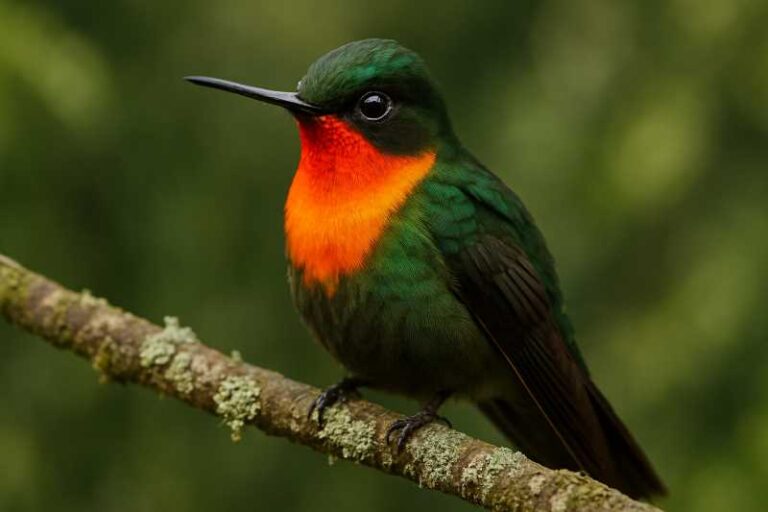
The Red-headed Malimbe is a medium-sized bird, measuring approximately 19 cm in length. Its most distinctive feature is its bright red head and throat, which stands out against the rest of its black body. The intensity of the red coloration is most vivid in males, serving as a vital characteristic for attracting mates during the breeding season. Females have a slightly duller red, and juveniles often display more muted tones until they reach maturity.
Behavior and Diet
Red-headed Malimbes are social birds, often found in small flocks. They exhibit highly cooperative behavior, especially during nesting and feeding. Their diet primarily consists of insects, fruits, and seeds. These birds are known for their acrobatic foraging techniques, which include hanging upside-down from branches to access food.
During the breeding season, male Malimbes are observed performing elaborate courtship displays to attract females. These displays often involve a series of calls and movements that highlight their vibrant red plumage.
Nesting and Reproduction
The nesting habits of the Red-headed Malimbe are particularly fascinating. These birds are master weavers, constructing intricate nests from strips of leaves and grasses. The nests are typically suspended from tree branches, providing protection from ground predators. The construction of the nest is primarily the responsibility of the male, who skillfully weaves a spherical structure with a side entrance.
Breeding usually takes place during the wet season when food is plentiful. Females lay between two to four eggs per clutch, which are incubated for approximately two weeks. Both parents are involved in feeding the chicks, which fledge after about three weeks.
Conservation Status
Currently, the Red-headed Malimbe is classified as a species of Least Concern by the International Union for Conservation of Nature (IUCN). However, like many forest-dependent species, it faces threats from habitat loss due to deforestation and human encroachment. Conservation efforts that protect forest habitats are crucial for the continued survival of this species.
Cultural Significance and Human Interactions
In many African cultures, birds like the Red-headed Malimbe hold significant cultural value. They are often featured in folklore and are considered symbols of beauty and dexterity due to their striking appearance and impressive nest-building skills.
Birdwatching is a popular activity in regions where the Red-headed Malimbe is found, contributing to ecotourism and the local economy. Efforts to raise awareness about the importance of preserving their natural habitats are ongoing, with local communities playing an essential role in conservation.
Conclusion
The Red-headed Malimbe is a remarkable bird that captivates with its vivid coloration and complex behaviors. As an integral part of the ecosystems they inhabit, these birds contribute to the biodiversity and ecological health of African rainforests. Continued research and conservation efforts are vital to ensure that future generations can enjoy the beauty and ecological significance of the Red-headed Malimbe.
The story of the Red-headed Malimbe is a reminder of the intricate connections within nature and the importance of preserving our planet’s diverse wildlife.
Related posts