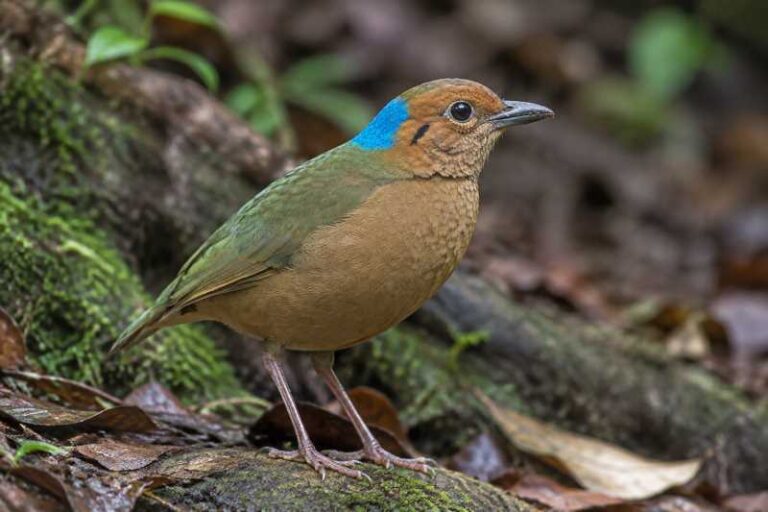
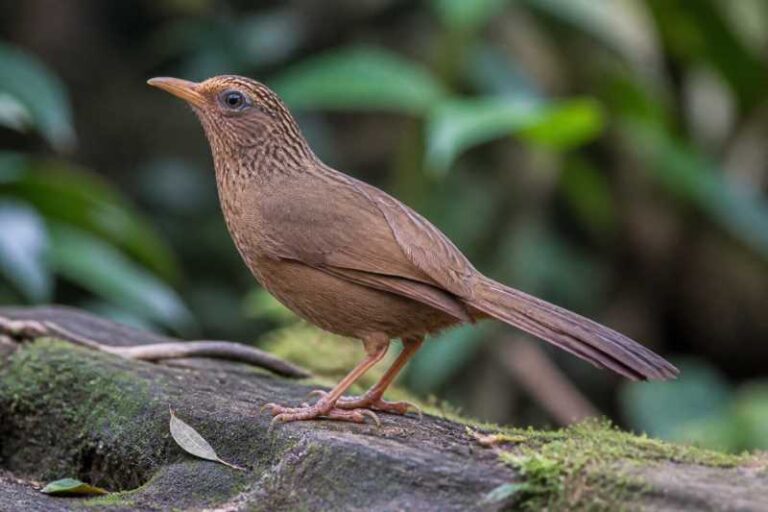
The Fawn-breasted Bowerbird is a fascinating species known not only for its striking plumage and elusive nature but also for its unique courtship behavior involving the construction of elaborate bowers. Endemic to northern Australia and parts of southern New Guinea, this bird belongs to a group famed for their creative and architectural prowess. The Fawn-breasted Bowerbird is a lesser-known member of the bowerbird family, yet it holds just as much charm and intrigue for ornithologists and birdwatchers alike.
Identification
The Fawn-breasted Bowerbird is a medium-sized bird, measuring approximately 25 to 28 cm in length. As its name suggests, its most distinctive feature is the fawn-colored plumage on its breast, which blends into a lighter underbelly. The upperparts are generally brown with fine streaking, helping the bird blend into the dry woodland and savanna environments it calls home.
Males and females are similar in appearance, but males may appear slightly larger and exhibit more vibrant coloration during the breeding season. They have a stout bill, a pale yellow iris, and a somewhat short tail. Juveniles resemble adults but are duller in color.
Unlike many bowerbird species, the Fawn-breasted Bowerbird does not have flamboyant plumage or ornate crests. Instead, its appeal lies in its behavior and the artistic structures it constructs.
Habitat and Distribution
The Fawn-breasted Bowerbird is found primarily in the savanna woodlands, monsoon forests, and open forest margins of northern Australia, especially in parts of Queensland and the Northern Territory. Its range extends into the southern regions of Papua New Guinea as well.
This species prefers areas with a mix of trees and open ground, which provide both suitable nesting sites and an abundance of natural materials for bower construction. While not considered rare, it can be elusive due to its preference for less disturbed and often remote habitats.
Behavior
Perhaps the most remarkable trait of the Fawn-breasted Bowerbird is its bower-building behavior. Males construct avenue-type bowers—upright sticks arranged in parallel rows—to attract females. These structures are often decorated with an eclectic collection of objects, including berries, shells, bones, leaves, and even bits of plastic or glass in more urbanized areas.
The bower itself is not a nest but a stage for courtship displays. Males perform ritualized dances, vocal mimicry, and display collected items in an effort to impress prospective mates. Each male’s bower is unique, and competition among males is intense, with some even sabotaging their rivals’ constructions.
Outside of the breeding season, Fawn-breasted Bowerbirds are generally solitary or found in small groups. They are known for their shy and cautious demeanor, making them a challenge to observe in the wild.
Diet
The diet of the Fawn-breasted Bowerbird is omnivorous and varied. It includes fruits, berries, seeds, nectar, insects, and small invertebrates. Their feeding behavior is opportunistic, and they forage both in trees and on the ground.
They are especially fond of figs and other native fruiting trees, which form a large part of their diet in certain seasons. Their role in seed dispersal is ecologically important in their native ecosystems.
Breeding
Breeding takes place during the dry season, usually from July to December in northern Australia. After mating, the female assumes all responsibilities for nest building, incubation, and chick rearing. The nest is a cup-shaped structure made of twigs, leaves, and grasses, typically situated in a tree or shrub.
Clutch size usually consists of one or two eggs, and the incubation period lasts around two to three weeks. Chicks fledge about 18 to 22 days after hatching. The male does not participate in raising the young but focuses instead on maintaining and defending his bower to attract additional mates.
Conservation Status
The Fawn-breasted Bowerbird is currently listed as a species of Least Concern by the IUCN Red List, owing to its broad distribution and stable population trends. However, ongoing threats such as habitat loss due to agriculture, invasive species, and climate change may pose challenges in the future.
Protecting woodland and savanna habitats remains crucial to the long-term survival of this species. Given their sensitivity to disturbance, conservation efforts should prioritize preserving natural bowerbird environments and minimizing habitat fragmentation.
Related posts