The Enchanting Pink-headed Fruit Dove: A Jewel of Southeast Asia
The Pink-headed Fruit Dove, scientifically known as *Ptilinopus porphyreus*, is a fascinating avian species that captivates bird enthusiasts and ornithologists alike. This vibrant bird, with its striking coloration and intriguing behaviors, is a true gem of Southeast Asia’s lush forests. In this article, we delve into the various aspects of the Pink-headed Fruit Dove, including its habitat, physical characteristics, diet, behavior, and conservation status.
Habitat and Distribution
The Pink-headed Fruit Dove is predominantly found in Indonesia, specifically on the islands of Sumatra, Java, and Bali. These doves prefer the subtropical or tropical moist lowland forests and montane forests, thriving in altitudes ranging from 800 to 2,500 meters. The dense foliage and rich biodiversity of these forests provide an ideal environment for the doves to forage and breed.
The island of Java, with its extensive mountain ranges and lush greenery, is particularly significant for the Pink-headed Fruit Dove. Here, they coexist with other bird species, contributing to the vibrant avian diversity of the region. These doves have adapted to the varied altitudinal ranges, demonstrating their versatility and resilience.
Physical Characteristics
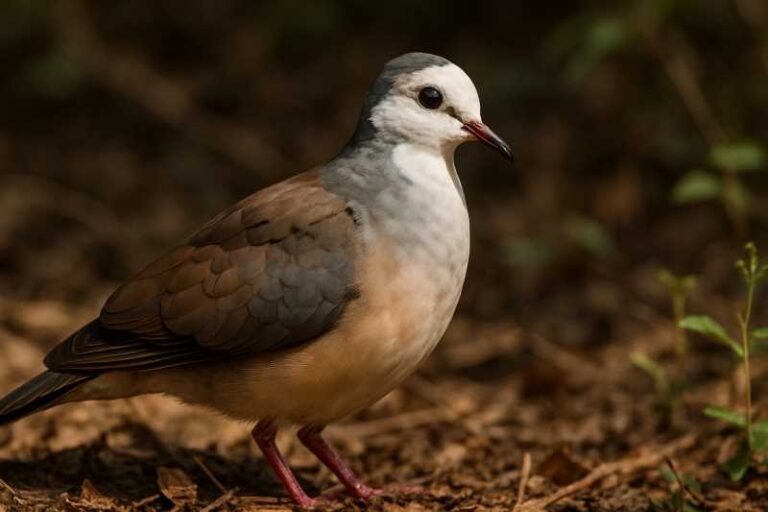
The Pink-headed Fruit Dove is renowned for its stunning plumage, which makes it a visual delight. As the name suggests, the bird’s most distinctive feature is its pink-colored head, which seamlessly transitions to a pale greyish-green on the nape and back. The underparts are a mix of soft yellow and green, with a striking white band across the chest, giving it an ethereal appearance.
Measuring approximately 29 cm in length, the Pink-headed Fruit Dove has a compact body, short tail, and strong wings. The eyes are a vivid orange-red, adding to the bird’s captivating look. Males and females are similar in appearance, though juveniles tend to have duller plumage until they mature.
Diet and Feeding Habits
As a frugivorous species, the Pink-headed Fruit Dove primarily feeds on a variety of fruits and berries found in its forest habitat. The bird’s diet mainly comprises figs, small fruits, and drupes, which are abundant in the tropical forests of Southeast Asia. Their strong, curved beak is perfectly adapted for plucking and consuming these fleshy fruits.
The Pink-headed Fruit Dove plays a crucial role in the ecosystem as a seed disperser. By consuming fruits and later excreting the seeds, these doves help in the propagation of plant species, contributing to the health and sustainability of their forest environment.
Behavior and Breeding
The Pink-headed Fruit Dove is known for its elusive and shy nature, often preferring to stay hidden within the canopy. Despite their vibrant plumage, these doves can be challenging to spot due to their ability to blend into the foliage. They are generally solitary or found in pairs, occasionally forming small flocks during the breeding season.
Breeding typically occurs during the rainy season when food is plentiful. The Pink-headed Fruit Dove builds a simple nest made of twigs and leaves, usually positioned high in a tree to avoid predators. The female lays a single white egg, which both parents incubate for about two weeks. After hatching, the chick is fed a regurgitated fruit pulp by both parents until it fledges.
Conservation Status and Threats
The Pink-headed Fruit Dove is currently classified as “Near Threatened” by the International Union for Conservation of Nature (IUCN). Habitat loss due to deforestation and agricultural expansion is the primary threat to this species. The destruction of their natural habitat not only reduces their feeding and breeding grounds but also exposes them to predators and human disturbances.
Conservation efforts are crucial to protect the remaining populations of the Pink-headed Fruit Dove. Establishing protected areas and promoting sustainable forestry practices can help preserve their habitat. Additionally, raising awareness about the importance of these birds in the ecosystem can contribute to their conservation.
In conclusion, the Pink-headed Fruit Dove is a remarkable species that embodies the beauty and complexity of Southeast Asia’s avian life. Protecting this species and its habitat is vital for maintaining the ecological balance and biodiversity of the region. As we continue to learn more about these doves, it is imperative to prioritize their conservation for future generations to appreciate and admire.
Related posts