The Fascinating World of the Black-headed Gull: A Comprehensive Overview
The Black-headed Gull (Chroicocephalus ridibundus) is a small, versatile bird found across much of Europe and Asia. Known for its distinctive appearance and adaptable nature, this species thrives in a variety of habitats, from coastal regions to inland waterways. As a member of the gull family, it boasts a remarkable range of behaviors and characteristics that make it a subject of interest for ornithologists and bird enthusiasts alike.
Physical Characteristics
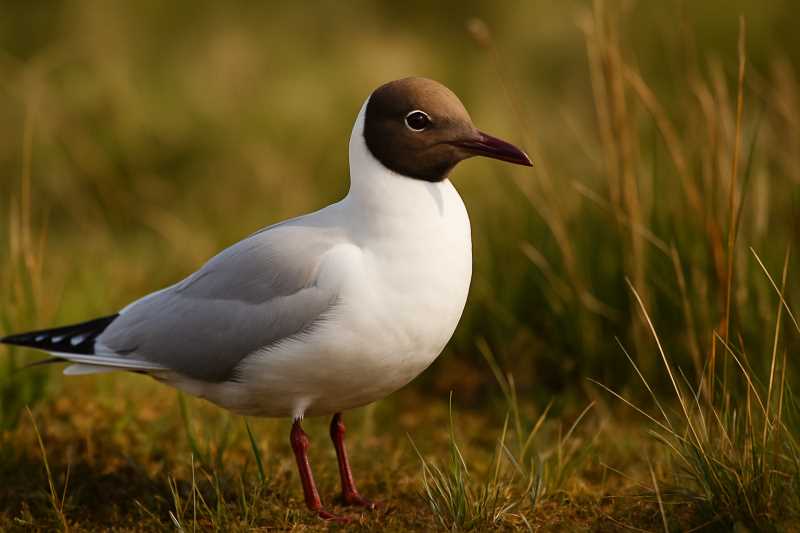
Despite its name, the Black-headed Gull does not always sport a black head. During the breeding season, adults have a dark chocolate-brown head, which appears almost black from a distance. Outside of the breeding season, their heads turn white, with only a couple of dark spots behind the eyes. This transformation is one of the many fascinating aspects of their biology. The rest of the plumage is predominantly white, with pale gray wings and black tips. Their legs and beak are a striking reddish color, which stands out against their lighter feathers.
Habitat and Distribution
The Black-headed Gull is a highly adaptable bird, found in a wide range of environments. They are commonly seen in coastal areas, lakes, rivers, and even urban settings such as parks and garbage dumps. This adaptability has allowed them to thrive across a broad geographical range, spanning from the temperate regions of Europe to parts of Asia. During the winter months, many populations migrate southward to warmer climates, reaching as far as North Africa and the Indian subcontinent.
Behavior and Diet
Black-headed Gulls are social birds, often seen in large flocks. They are known for their opportunistic feeding habits, which include scavenging and foraging. Their diet is highly varied, consisting of insects, fish, seeds, and human refuse. This versatility in diet is a key factor in their widespread distribution and success as a species. In addition to their feeding habits, Black-headed Gulls are also known for their vocal nature, frequently communicating with a series of loud, harsh calls.
Breeding and Lifespan
The breeding season for Black-headed Gulls typically begins in April. They are colonial nesters, often forming large, dense colonies on islands or in wetlands. Nests are constructed on the ground using reeds, grasses, and other vegetation. Females lay two to three eggs, which are incubated by both parents for about three to four weeks. Once hatched, the chicks are precocial, meaning they are relatively mature and mobile from birth. They fledge about five to six weeks after hatching. The lifespan of a Black-headed Gull can extend up to 15 years in the wild, although this varies depending on environmental conditions and predation pressures.
Conservation Status
Currently, the Black-headed Gull is listed as ‘Least Concern’ by the International Union for Conservation of Nature (IUCN). This status reflects their large population size and broad distribution. However, like many bird species, they face threats from habitat loss and pollution, particularly in their breeding and feeding grounds. Conservation efforts are crucial to ensure the continued health of their populations, particularly in areas where human activity poses significant risks.
Conclusion
The Black-headed Gull is a remarkable example of avian adaptability and resilience. Its ability to thrive in diverse environments and its varied diet make it a successful and widespread species. As we continue to face global environmental challenges, understanding and conserving such adaptable species is more important than ever. By appreciating the life and habits of the Black-headed Gull, we gain insight into the complex and interconnected ecosystems of which they are a part, and we are reminded of the importance of safeguarding our natural world for future generations.
As birdwatchers and nature enthusiasts continue to observe and study these fascinating creatures, the Black-headed Gull will undoubtedly remain a symbol of adaptability and survival in the natural world.
—
Related posts