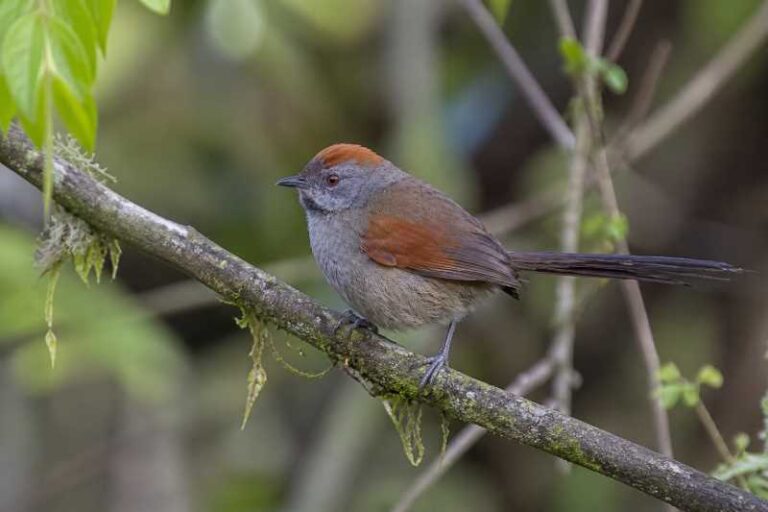
Discovering the Philippine Leaf Warbler: An Avian Gem of the Archipelago
The Philippine Leaf Warbler (Phylloscopus olivaceus) is a small, insectivorous bird that has long captured the interest of ornithologists and birdwatchers alike. This species is part of the Phylloscopidae family and is endemic to the Philippines, meaning it is found nowhere else in the world. Its presence in the lush, tropical forests of the archipelago highlights the rich biodiversity of the region.
Taxonomy and Identification
First described by the German ornithologist Gustav Hartlaub in 1865, the Philippine Leaf Warbler is a member of a genus known for its elusive and energetic nature. The bird is relatively small, measuring around 10 cm in length, with a wingspan of approximately 17–20 cm. Its plumage is predominantly olive-green, which provides excellent camouflage among the leaves it inhabits. The bird has a distinct pale yellow underbelly, a feature that aids in identification.
The Philippine Leaf Warbler is often identified by its characteristic call—a series of high-pitched notes that resonate through the forest canopy. This vocalization is crucial for communication during the breeding season and for maintaining territory.
Habitat and Distribution
The Philippine Leaf Warbler thrives in subtropical or tropical moist lowland and montane forests. It is primarily found in the islands of Luzon, Mindanao, and Leyte. Its habitat preference includes dense forest undergrowth and areas with abundant foliage, where it can forage for insects and other small invertebrates.
The species’ distribution within the Philippine archipelago is relatively widespread, yet its population is fragmented due to habitat loss. Deforestation and land conversion for agriculture have led to a reduction in suitable habitats, posing a significant threat to this species’ survival.
Behavior and Ecology
The Philippine Leaf Warbler is an agile forager, often seen flitting among the branches in search of food. Its diet mainly consists of insects, spiders, and small arthropods, which it gleans from leaves and bark. This species exhibits a high level of activity, rarely staying in one place for long.
Breeding typically occurs during the rainy season when food resources are abundant. The species is known for its monogamous pairing, with both parents participating in nest building and the rearing of chicks. Nests are often constructed in dense foliage to protect them from predators and environmental elements.
Conservation Status
The International Union for Conservation of Nature (IUCN) currently classifies the Philippine Leaf Warbler as a species of “Least Concern”. However, this status does not imply that the species is free from threats. The ongoing destruction of its natural habitat remains a primary concern for conservationists.
Efforts to protect and preserve the natural habitats of the Philippine Leaf Warbler are crucial. Conservation measures include the establishment of protected areas and the promotion of sustainable land-use practices to prevent further deforestation.
Cultural and Scientific Significance
The Philippine Leaf Warbler is not just an ecological treasure but also holds cultural significance. Its presence is a symbol of the rich natural heritage of the Philippines. For scientists, the species serves as an important subject in the study of avian ecology and evolution, providing insights into the adaptation and survival strategies of birds in tropical environments.
Conclusion
The Philippine Leaf Warbler remains an integral part of the Philippines’ biodiversity. Its continued survival depends on concerted conservation efforts and a commitment to preserving the natural landscapes it calls home. As we deepen our understanding of this remarkable species, we also strengthen our resolve to protect it for future generations.
In the end, the story of the Philippine Leaf Warbler is a reminder of the beauty and complexity of the natural world, and the responsibility we hold in safeguarding it.
Related posts